DARLEVANT Journal
What Is Baklava? A Guide to One of the Levant’s Most Iconic Sweets
What Is Baklava? A Guide to One of the Levant’s Most Iconic Sweets
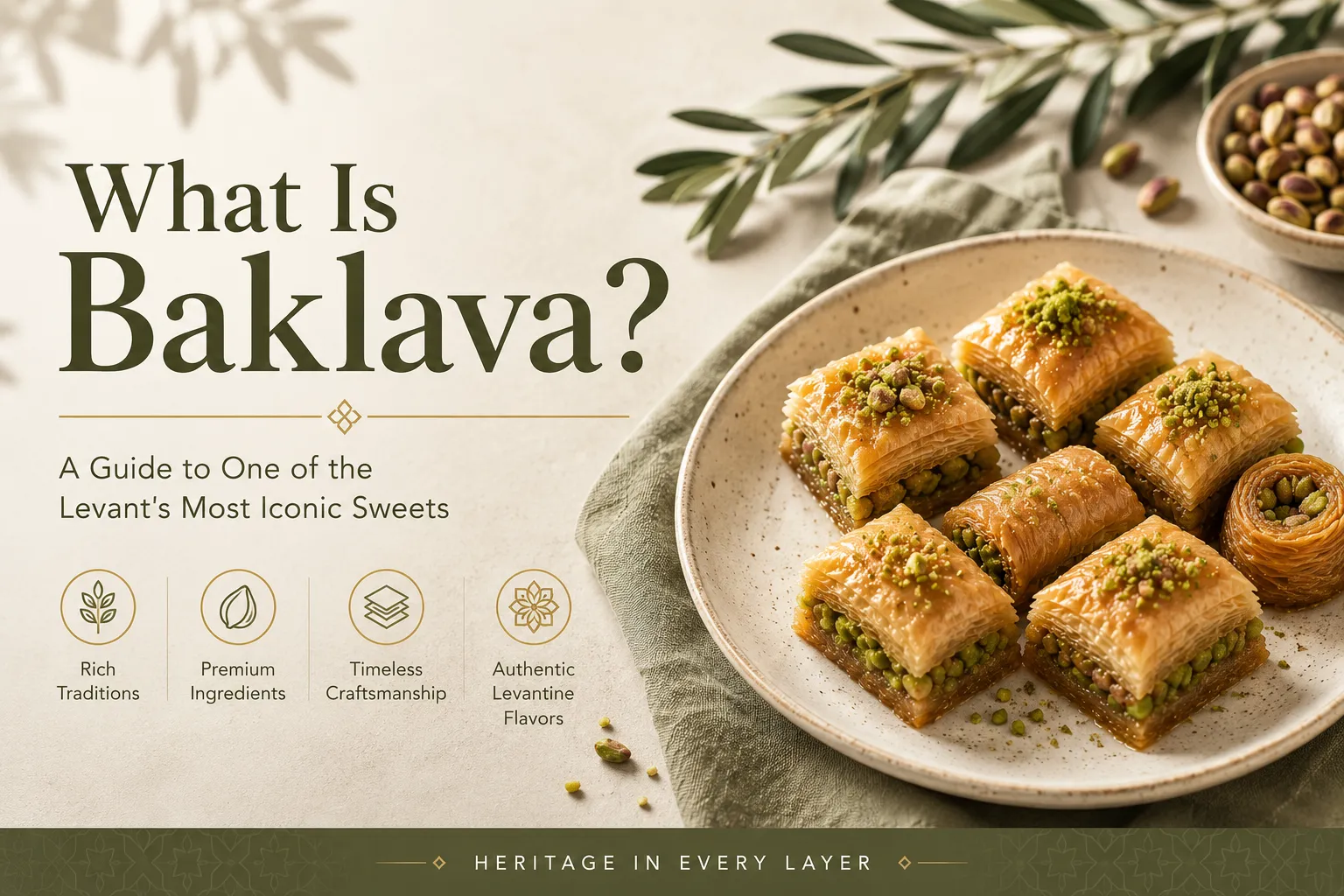
Few desserts are as closely associated with Levantine hospitality as baklava. With its delicate layers of crisp pastry, generous nut fillings, and fragrant syrup, baklava has become one of the most recognizable sweets across Jordan, Palestine, Syria, and Lebanon.
Served during celebrations, offered to guests alongside Arabic coffee, and carefully arranged on festive dessert platters, baklava represents far more than a sweet treat. It reflects centuries of culinary craftsmanship, regional traditions, and the enduring culture of hospitality that defines the Levant.
Today, baklava continues to bring people together, connecting generations through familiar flavors and time-honored techniques.
The History of Baklava in the Levant
The exact origins of baklava remain a subject of discussion, but its place within Levantine food culture is undeniable.
Over generations, pastry makers throughout the Levant refined their own interpretations using local ingredients, family techniques, and regional preferences.
As trade routes expanded access to nuts, sugar, and fragrant floral waters, baklava evolved into a dessert associated with celebrations, hospitality, and special occasions.
Today, each city and family may prepare baklava slightly differently, yet the essence remains the same: delicate pastry, premium nuts, and careful craftsmanship.
What Is Baklava Made Of?
Traditional baklava is created from a simple combination of carefully selected ingredients.
- Thin layers of pastry
- Pistachios or walnuts
- Clarified butter
- Light sugar syrup
- Rose water or orange blossom water
While the ingredient list appears straightforward, achieving the perfect balance of texture and flavor requires skill and attention to detail.
What Does Baklava Taste Like?
Baklava offers a distinctive combination of textures and flavors.
- Crisp, flaky pastry layers
- Rich nut fillings
- Delicate sweetness
- Subtle floral aromas
- Buttery depth balanced by light syrup
Rather than overwhelming sweetness, traditional Levantine baklava focuses on harmony between pastry, nuts, and aromatic ingredients.
Regional Variations Across the Levant
Different regions have developed their own baklava traditions.
Jordan
Jordanian dessert platters often feature multiple baklava styles served during celebrations and family gatherings.
Palestine
Palestinian pastry traditions emphasize generous nut fillings and careful layering techniques.
Syria
Syrian baklava is widely recognized for its exceptional pistachios and refined presentation.
Lebanon
Lebanese variations often highlight delicate floral aromas and elegant pastry craftsmanship.
Popular Types of Baklava
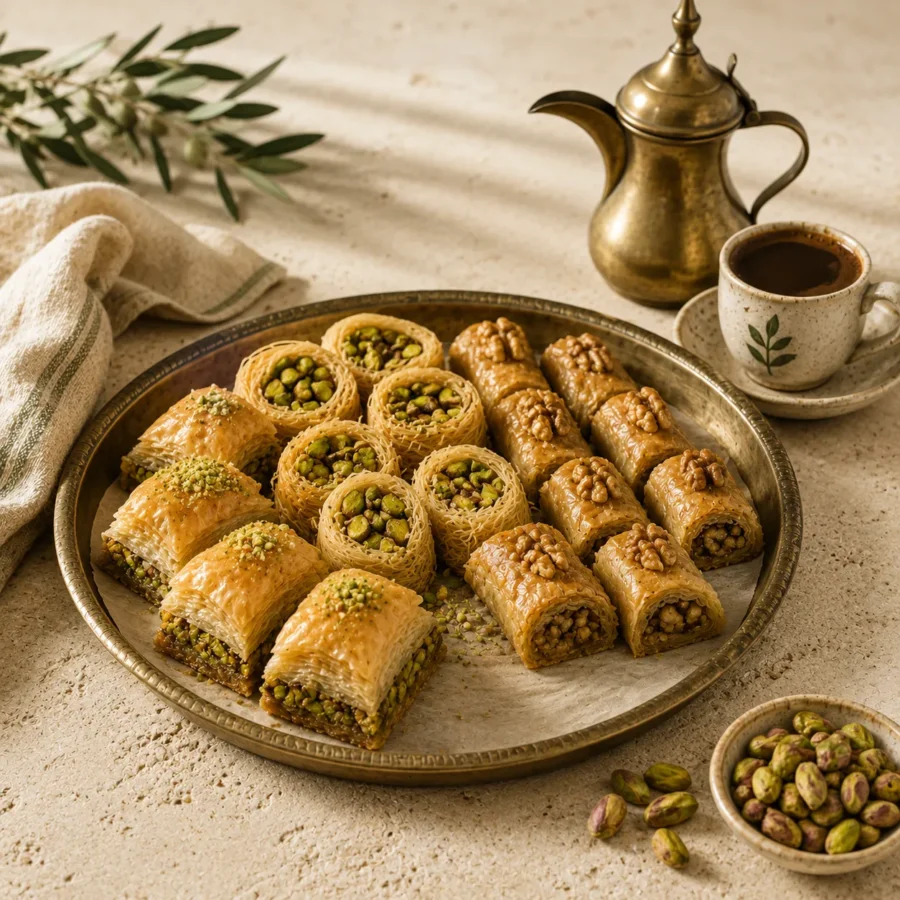
- Classic pistachio baklava
- Walnut baklava
- Finger-shaped baklava rolls
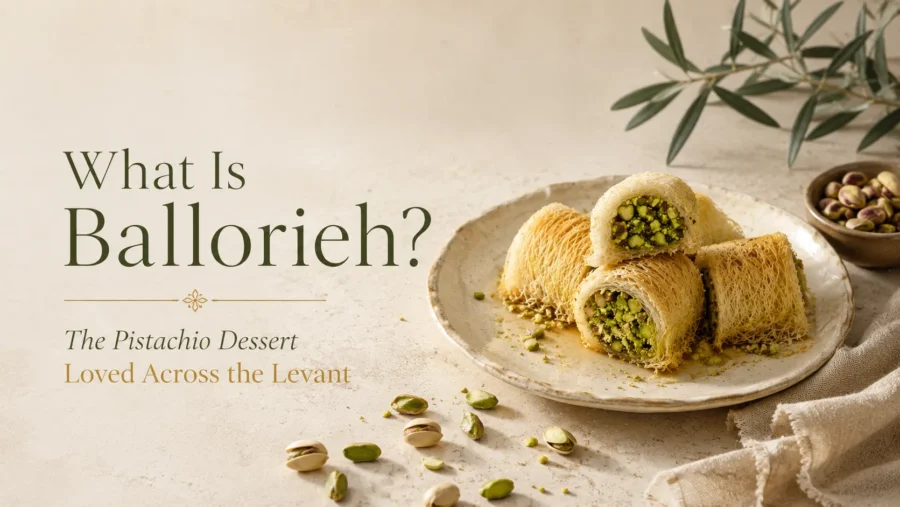
- Ballorieh with pistachios
- Mixed dessert assortments
Each style offers its own unique texture, shape, and presentation while preserving the same heritage foundation.
Baklava and Levantine Hospitality
Throughout the Levant, baklava is closely connected to hospitality traditions.
It is commonly served during:
- Family gatherings
- Weddings
- Religious holidays
- Seasonal celebrations
- Visits with friends and relatives
Presenting guests with a carefully arranged tray of sweets reflects generosity, warmth, and appreciation.
How to Serve Baklava
Baklava is traditionally served at room temperature.
For an authentic experience, pair it with:
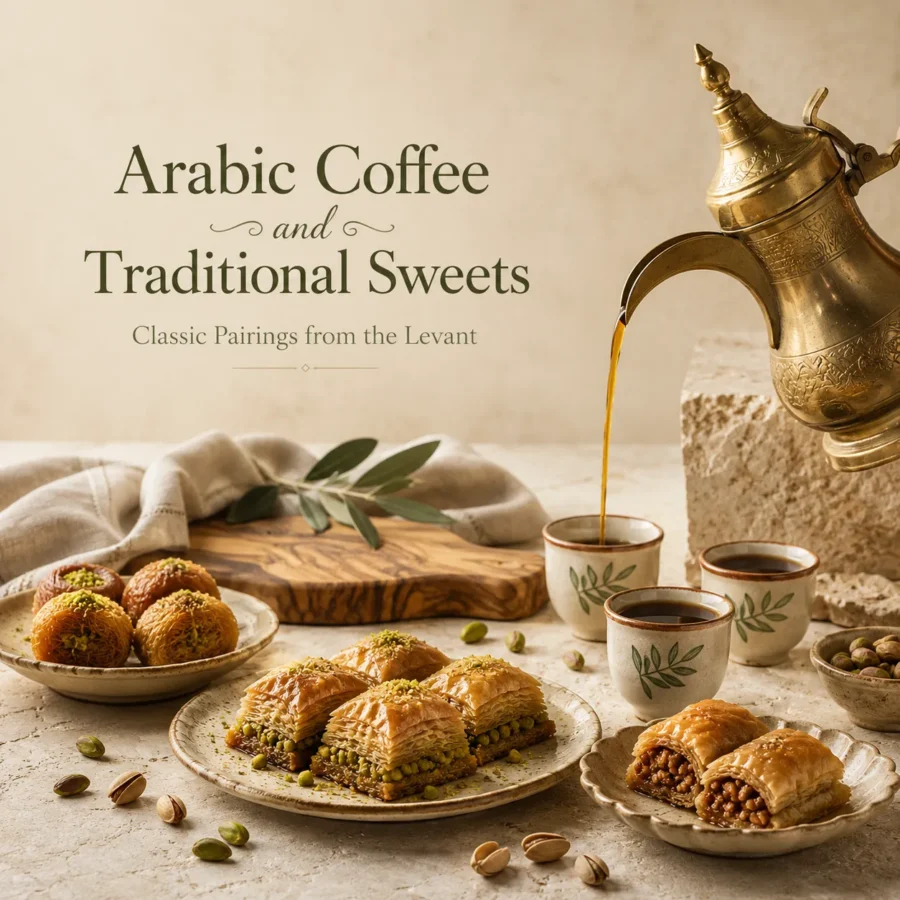
- Arabic coffee
- Black tea
- Light herbal infusions
Simple serving platters and handcrafted ceramics help highlight the visual beauty of the pastry.
How to Store Baklava
- Store in a cool, dry place.
- Keep away from direct sunlight.
- Avoid excess humidity.
- Keep covered after opening.
Proper storage helps maintain the pastry’s crisp texture and preserves the aroma of the nut filling.
Related Articles
- Traditional Arabic Sweets of the Levant: A Guide to Timeless Desserts
- Molokhia: One of the Levant’s Most Beloved Traditional Dishes
Related DARLEVANT Products
Explore authentic Levantine baklava and traditional sweets inspired by generations of craftsmanship and hospitality.
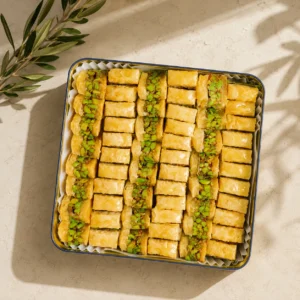
Habibah Pistachio Baklava Fingers 700g
Habibah Pistachio Baklava Fingers 700g are traditional finger-shaped baklava pastries filled with pistachios and crafted for a crisp, rich, and authentic Levantine sweets experience.
- Premium pistachio-filled baklava
- Golden flaky pastry layers
- Traditional Levantine sweet
- Perfect with Arabic coffee or tea
- Ideal for hospitality, gifting, and celebrations
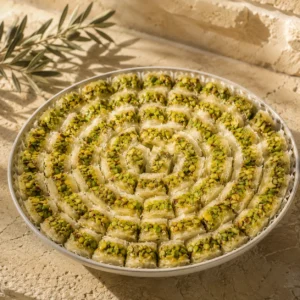
White Ballorieh with Pistachios 500g
White Ballorieh with Pistachios is a refined Levantine pastry featuring delicate layers wrapped around premium pistachios for a rich, elegant dessert experience.
- Premium pistachio filling.
- Delicate crisp pastry layers.
- Balanced sweetness.
- Perfect for gifting and hospitality.
- Traditional Levantine dessert.
- Net Weight: 500g.
Frequently Asked Questions
What nuts are commonly used in baklava?
Pistachios and walnuts are the most common fillings used throughout the Levant.
Is baklava served only during holidays?
No. While it is especially popular during celebrations, baklava is enjoyed year-round as part of everyday hospitality traditions.
What is the difference between baklava and ballorieh?
Traditional baklava uses layered pastry sheets, while ballorieh features fine pastry strands wrapped around a generous pistachio filling.
What drinks pair well with baklava?
Arabic coffee, black tea, and light herbal infusions complement baklava particularly well.
Final Thoughts
Baklava remains one of the most beloved desserts in Levantine cuisine because it represents more than flavor alone.
Its delicate layers, premium ingredients, and connection to hospitality traditions make it a timeless symbol of celebration and generosity.
Whether shared with guests, served during special occasions, or enjoyed with Arabic coffee, baklava continues to preserve the rich culinary heritage of the Levant.