DARLEVANT Journal
Traditional Arabic Sweets of the Levant: A Guide to Timeless Desserts
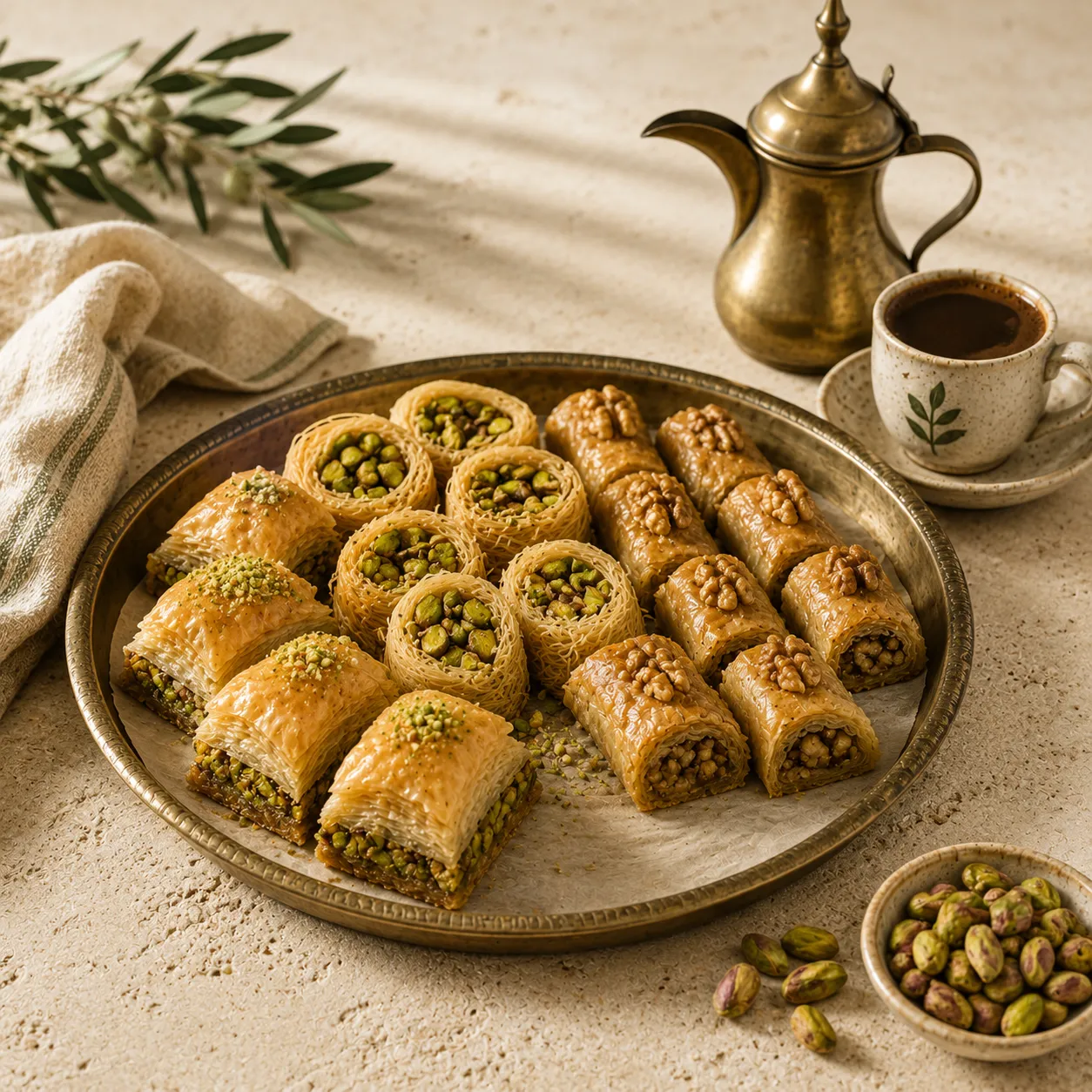
Traditional Arabic Sweets of the Levant: A Guide to Timeless Desserts
Across the Levant, sweets are far more than a final course served after a meal. They are part of everyday hospitality, family traditions, seasonal celebrations, and cherished moments shared over Arabic coffee and tea.
From the bustling pastry shops of Amman and Jerusalem to family kitchens throughout Palestine, Syria, and Lebanon, traditional desserts continue to preserve culinary techniques that have been passed down through generations.
Whether enjoyed during holidays, offered to guests, or served at weddings and family gatherings, Levantine sweets reflect a culture built around generosity, craftsmanship, and connection.
What Defines Traditional Levantine Sweets?
Levantine desserts are known for their balance rather than excessive sweetness. Instead of relying on heavy flavors, these desserts focus on the harmony between delicate pastry, premium nuts, clarified butter, and fragrant syrups.
Common characteristics include:
- Thin layers of pastry
- Premium pistachios and walnuts
- Clarified butter
- Light sugar syrups
- Rose water and orange blossom water
- Handcrafted preparation techniques
The result is a dessert tradition that values texture, aroma, and craftsmanship as much as sweetness.
The Role of Sweets in Levantine Hospitality
Hospitality is central to daily life throughout the Levant. Offering guests sweets alongside Arabic coffee or tea is a gesture of generosity and welcome.
Many households keep a selection of traditional desserts ready for unexpected visitors, family gatherings, and celebrations.
Special occasions often include carefully arranged trays of pastries that reflect both regional traditions and family preferences.
- Weddings
- Religious holidays
- Family celebrations
- Seasonal gatherings
- Visits with friends and relatives
These traditions continue to connect generations through shared recipes and familiar flavors.
The History of Arabic Sweets in the Levant
The Levant has long served as a meeting point for cultures, trade routes, and culinary traditions.
Over centuries, ingredients such as nuts, spices, sugar, and fragrant floral waters became integrated into regional desserts.
Families refined recipes over generations, creating pastries that remain beloved today.
Although techniques vary between cities and households, many traditional sweets continue to reflect the same principles: careful preparation, premium ingredients, and a focus on hospitality.
Baklava: The Iconic Layered Pastry
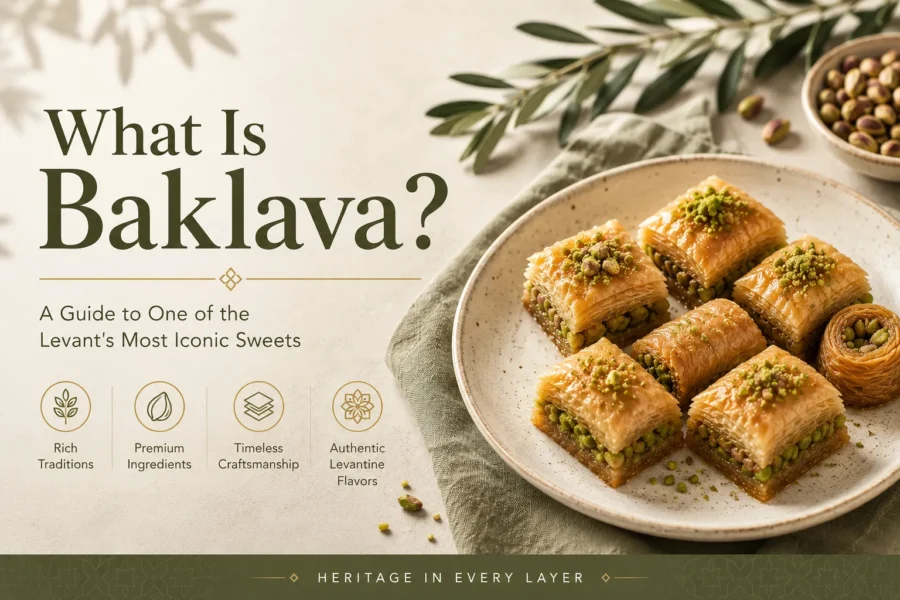
Few desserts are as closely associated with Levantine cuisine as baklava.
Prepared with delicate layers of pastry, carefully selected nuts, clarified butter, and aromatic syrup, baklava remains one of the region’s most recognizable sweets.
Different cities and families create their own variations, resulting in a wide range of shapes, fillings, and textures.
Explore our collection of traditional baklava products:
Habibah Pistachio Baklava Fingers 700g
Habibah Pistachio Baklava Fingers 700g are traditional finger-shaped baklava pastries filled with pistachios and crafted for a crisp, rich, and authentic Levantine sweets experience.
- Premium pistachio-filled baklava
- Golden flaky pastry layers
- Traditional Levantine sweet
- Perfect with Arabic coffee or tea
- Ideal for hospitality, gifting, and celebrations
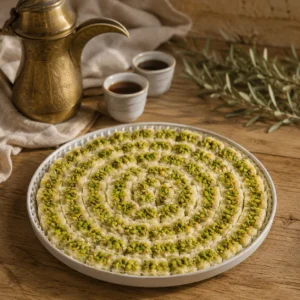
White Ballorieh with Pistachios 500g
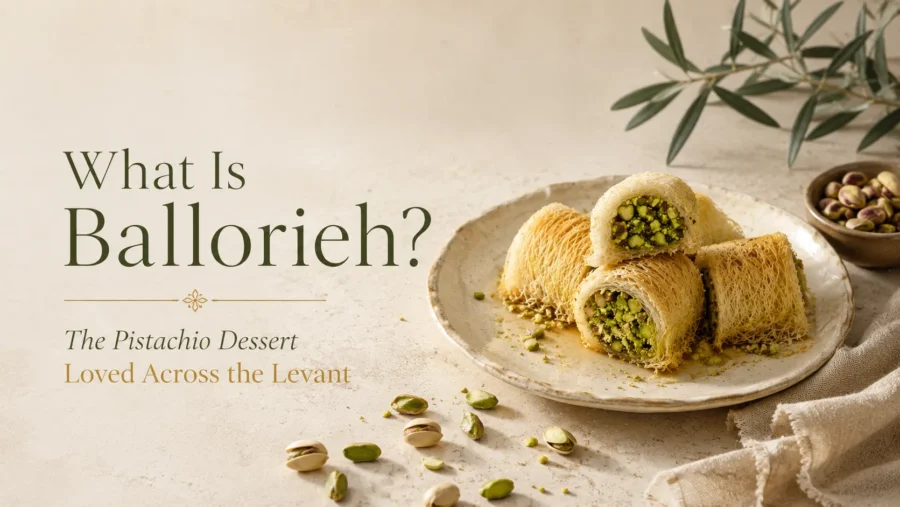
White Ballorieh with Pistachios is a refined Levantine pastry featuring delicate layers wrapped around premium pistachios for a rich, elegant dessert experience.
- Premium pistachio filling.
- Delicate crisp pastry layers.
- Balanced sweetness.
- Perfect for gifting and hospitality.
- Traditional Levantine dessert.
- Net Weight: 500g.
Ballorieh: A Pistachio Tradition
Ballorieh is known for its vibrant pistachio filling and delicate pastry strands.
Its elegant appearance and rich texture make it especially popular during celebrations and festive occasions.
Although enjoyed throughout the year, ballorieh is often associated with hospitality and special gatherings.
Walnut Sweets and Family Traditions
Walnuts play an important role in many traditional Levantine desserts.
Their rich flavor pairs beautifully with delicate pastry and light syrup, creating desserts that feel both comforting and refined.
Many walnut-based recipes have been passed down through generations, preserving family traditions and regional identities.
Regional Variations Across the Levant
Although many desserts are enjoyed throughout the region, each country and city has its own specialties.
- Jordan is known for its hospitality traditions and generous dessert platters.
- Palestine is celebrated for its rich pastry heritage.
- Syria has a long tradition of pistachio-based sweets.
- Lebanon is known for refined dessert presentations and aromatic ingredients.
These regional differences add richness and diversity to Levantine sweet culture.
Traditional Ingredients Used in Arabic Sweets
Several ingredients appear repeatedly across Levantine desserts.
- Pistachios
- Walnuts
- Clarified butter
- Pastry dough
- Rose water
- Orange blossom water
- Sugar syrup
The quality of these ingredients plays a major role in the final result.
Arabic Coffee and Sweet Pairings
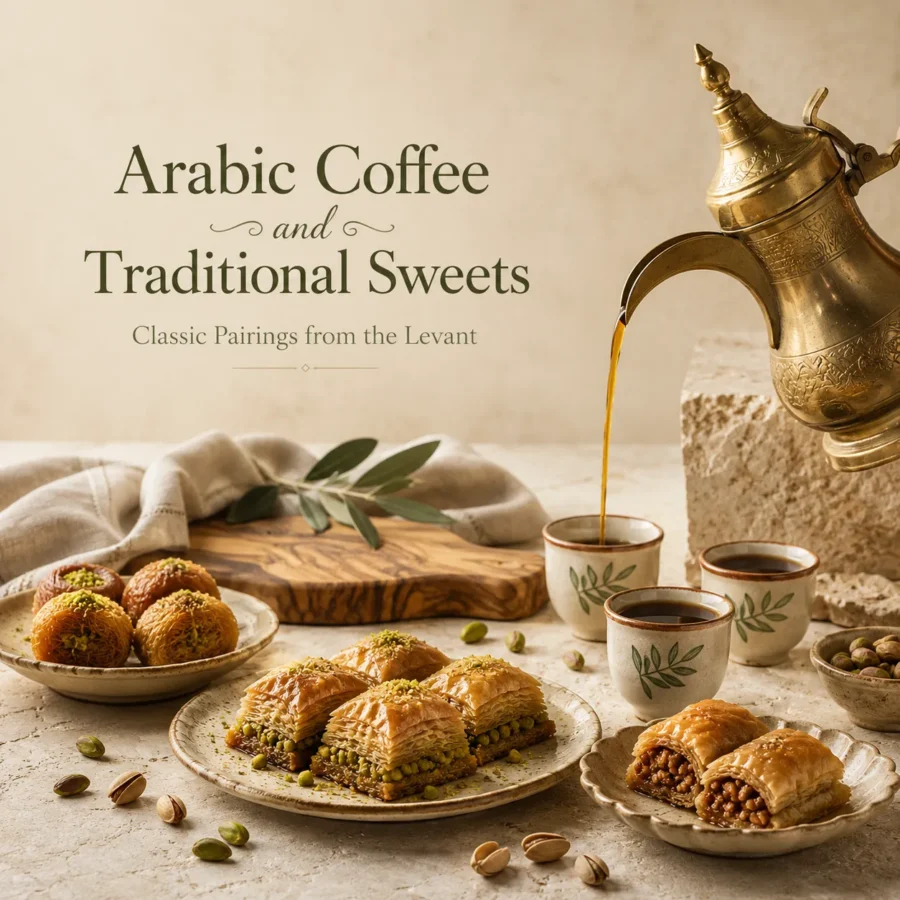
Traditional sweets are often served alongside Arabic coffee or tea.
- Baklava pairs beautifully with Arabic coffee.
- Ballorieh complements lightly brewed tea.
- Walnut pastries work well with both coffee and herbal infusions.
Together, these pairings create the warm hospitality that defines Levantine culture.
How to Choose Quality Arabic Sweets
When selecting traditional desserts, look for:
- Fresh ingredients
- Balanced sweetness
- Premium nuts
- Distinct pastry layers
- Traditional preparation methods
- Clear sourcing information
How to Store Traditional Sweets
- Store in a cool, dry place.
- Keep away from direct sunlight.
- Use airtight containers when possible.
- Follow product-specific storage instructions.
Proper storage helps preserve texture and freshness.
Related Articles
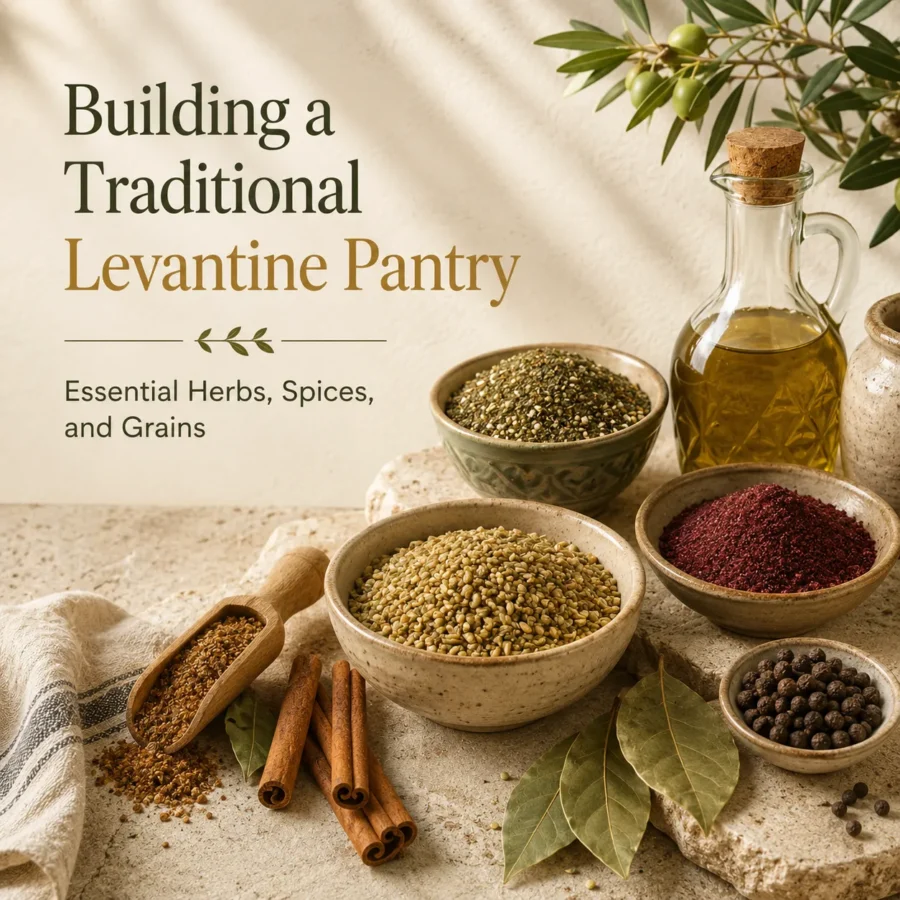
- Building a Traditional Levantine Pantry: Essential Herbs, Spices, and Grains
- Molokhia: One of the Levant’s Most Beloved Traditional Dishes
Related DARLEVANT Products
Discover traditional sweets inspired by Levantine hospitality and craftsmanship.
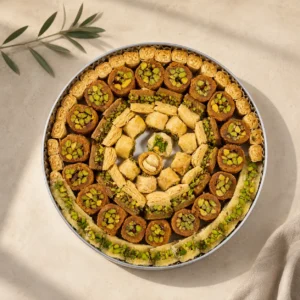
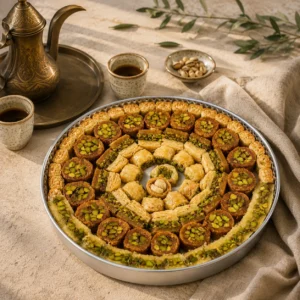
Habibah Mumtaz Assorted Arabic Sweets 700g
Habibah Pistachio Baklava Fingers 700g
Habibah Pistachio Baklava Fingers 700g are traditional finger-shaped baklava pastries filled with pistachios and crafted for a crisp, rich, and authentic Levantine sweets experience.
- Premium pistachio-filled baklava
- Golden flaky pastry layers
- Traditional Levantine sweet
- Perfect with Arabic coffee or tea
- Ideal for hospitality, gifting, and celebrations
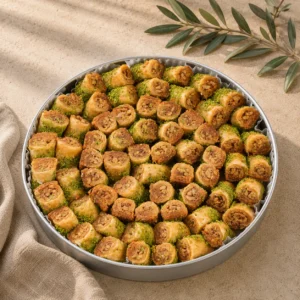
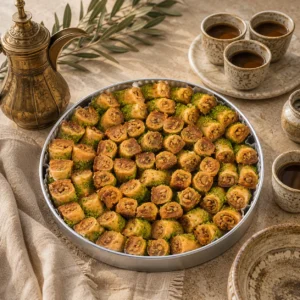
Habibah Walnut Fingers 700g
Habibah Walnut Fingers 700g are traditional Levantine rolled pastries filled with walnuts and lightly sweetened for a crisp, nutty Arabic sweets experience.
- Classic walnut-filled Arabic sweets
- Crisp rolled pastry with warm nutty character
- Ideal with Arabic coffee or tea
- Suitable for hospitality, gifting, and family gatherings
White Ballorieh with Pistachios 500g
White Ballorieh with Pistachios is a refined Levantine pastry featuring delicate layers wrapped around premium pistachios for a rich, elegant dessert experience.
- Premium pistachio filling.
- Delicate crisp pastry layers.
- Balanced sweetness.
- Perfect for gifting and hospitality.
- Traditional Levantine dessert.
- Net Weight: 500g.
Frequently Asked Questions
What are the most popular Arabic sweets in the Levant?
Baklava, ballorieh, walnut pastries, and assorted Arabic sweets are among the region’s most beloved desserts.
When are Levantine sweets traditionally served?
They are commonly served during celebrations, family gatherings, holidays, and when welcoming guests.
What ingredients are commonly used in Arabic sweets?
Common ingredients include pistachios, walnuts, pastry dough, clarified butter, and aromatic syrups.
How are Levantine sweets different from other desserts?
They focus on balance, texture, craftsmanship, and aromatic ingredients rather than excessive sweetness.
Final Thoughts
Traditional Arabic sweets are an essential part of Levantine culture. Their flavors, textures, and presentation reflect generations of culinary craftsmanship and hospitality.
Whether enjoyed with Arabic coffee, shared during celebrations, or offered to guests, these desserts continue to bring people together through timeless traditions.