
Tag Archives: Levantine Cuisine
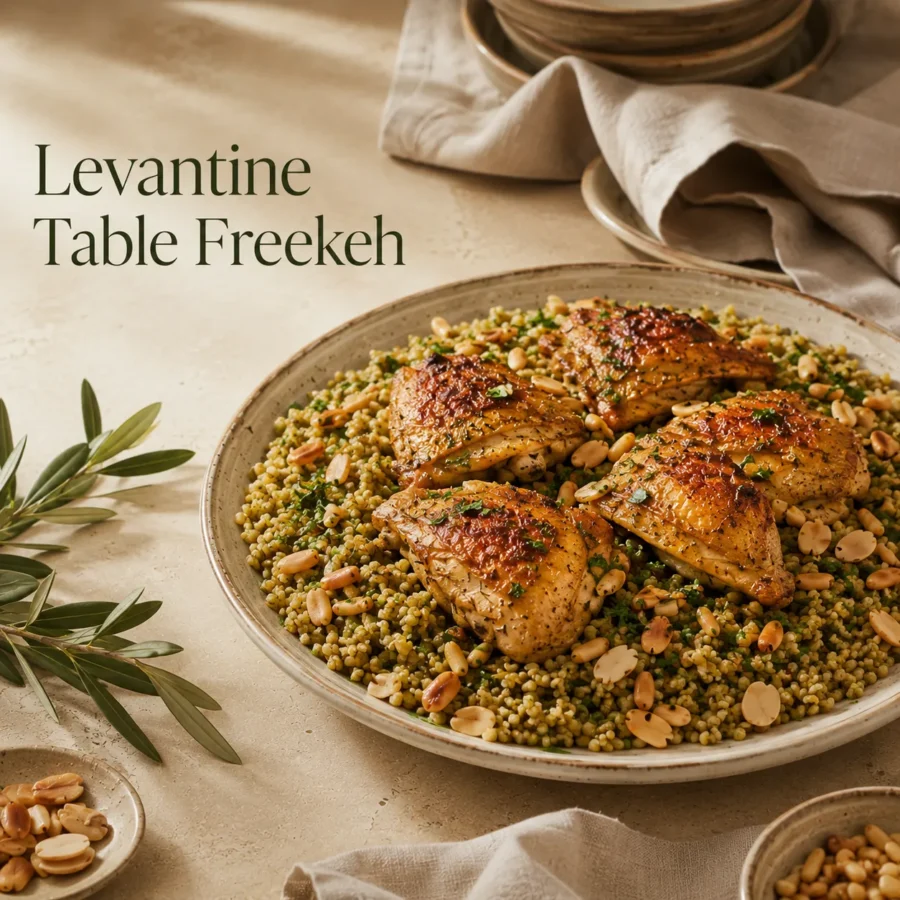
Levantine Table Freekeh: How This Ancient Grain Is Traditionally Served
Across the Levant, few dishes represent family gatherings, generous hospitality, and centuries of agricultural tradition as beautifully...
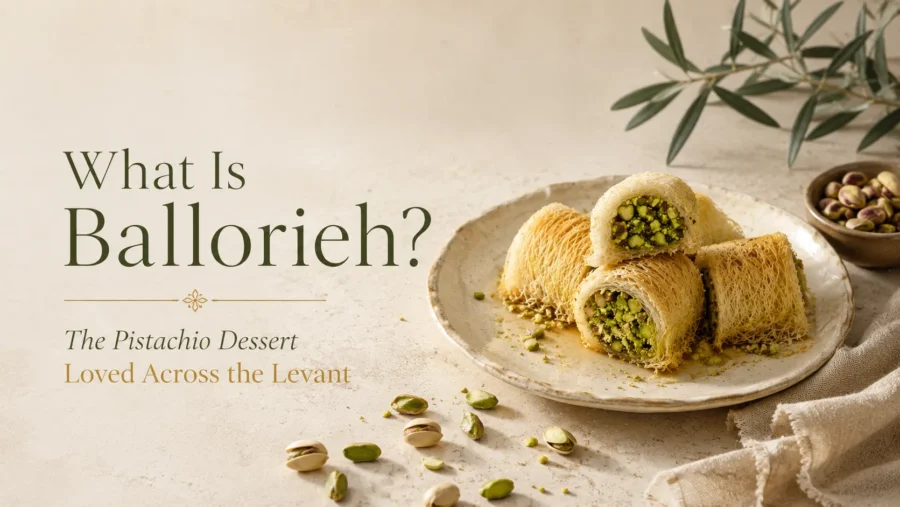
What Is Ballorieh? The Pistachio Dessert Loved Across the Levant
What Is Ballorieh? The Pistachio Dessert Loved Across the Levant
Among the many desserts that define Levantine sweet traditions, few a...
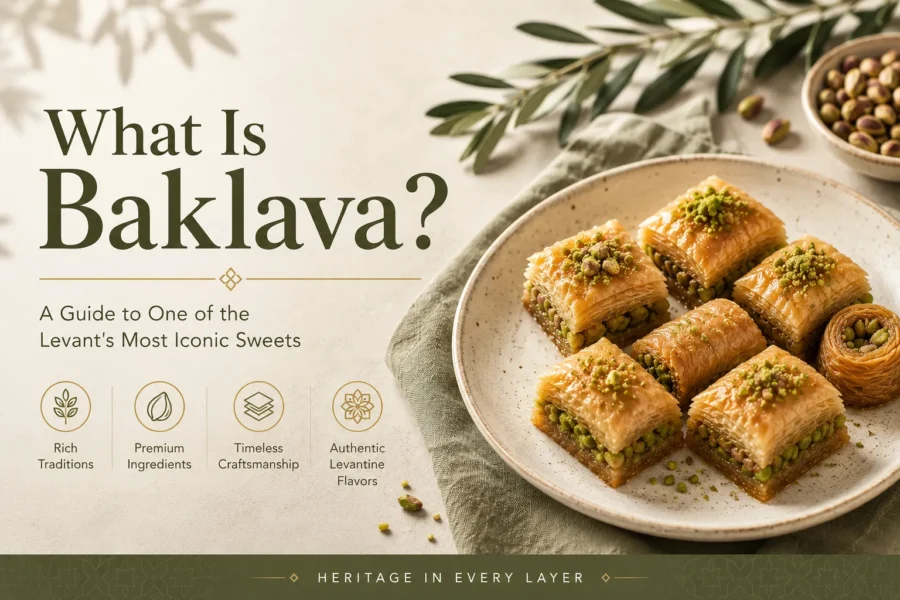
What Is Baklava? A Guide to One of the Levant’s Most Iconic Sweets
What Is Baklava? A Guide to One of the Levant's Most Iconic Sweets
Few desserts are as closely associated with Levantine hospi...
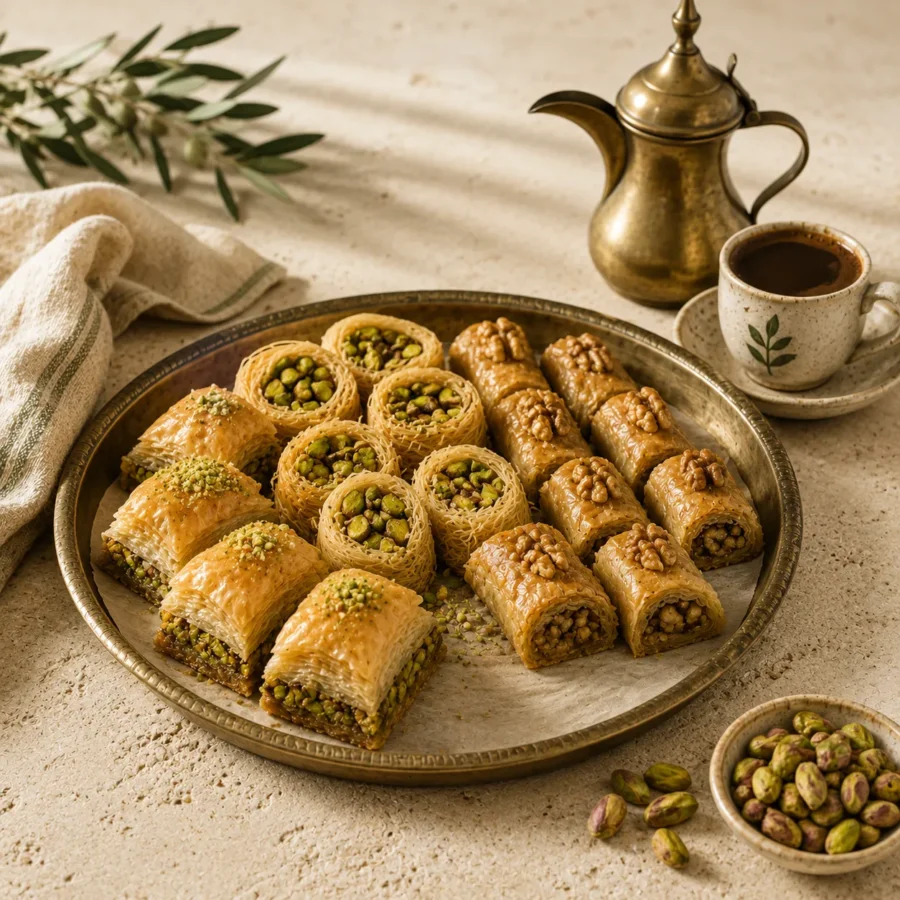
Traditional Arabic Sweets of the Levant: A Guide to Timeless Desserts
Traditional Arabic Sweets of the Levant: A Guide to Timeless Desserts
Across the Levant, sweets are far more than a final cour...
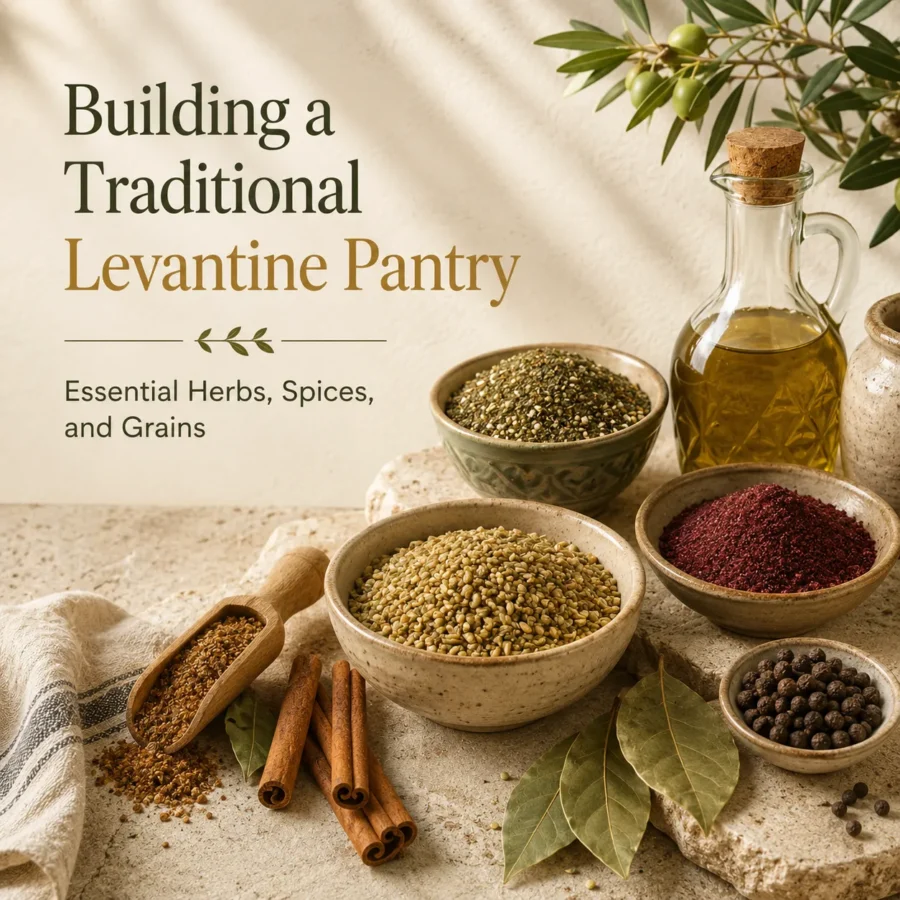
Building a Traditional Levantine Pantry: Essential Herbs, Spices, and Grains
Building a Traditional Levantine Pantry: Essential Herbs, Spices, and Grains
Every cuisine is shaped by a collection of ingred...
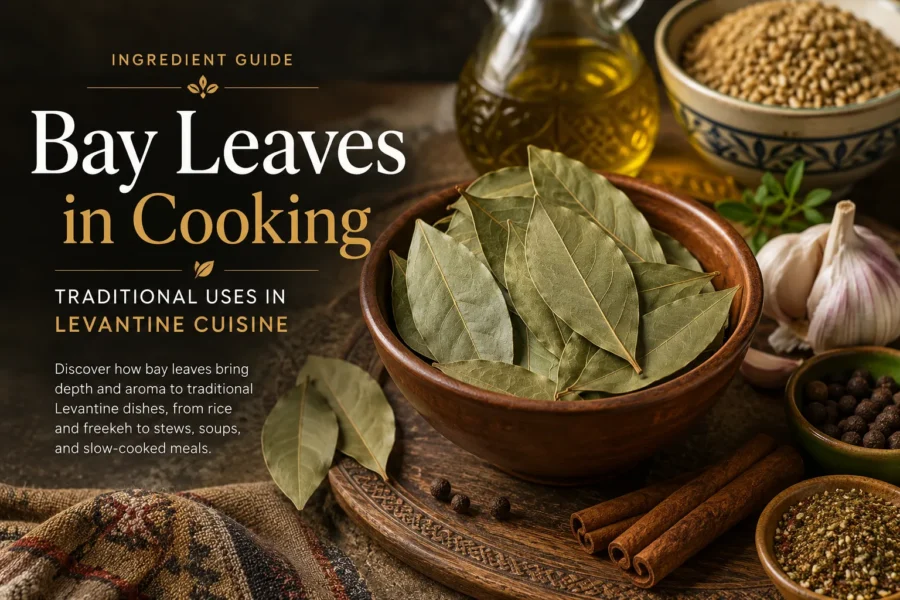
Bay Leaves in Cooking: Traditional Uses in Levantine Cuisine
Bay Leaves in Cooking: Traditional Uses in Levantine Cuisine
Some ingredients define a cuisine through bold flavors and vibran...
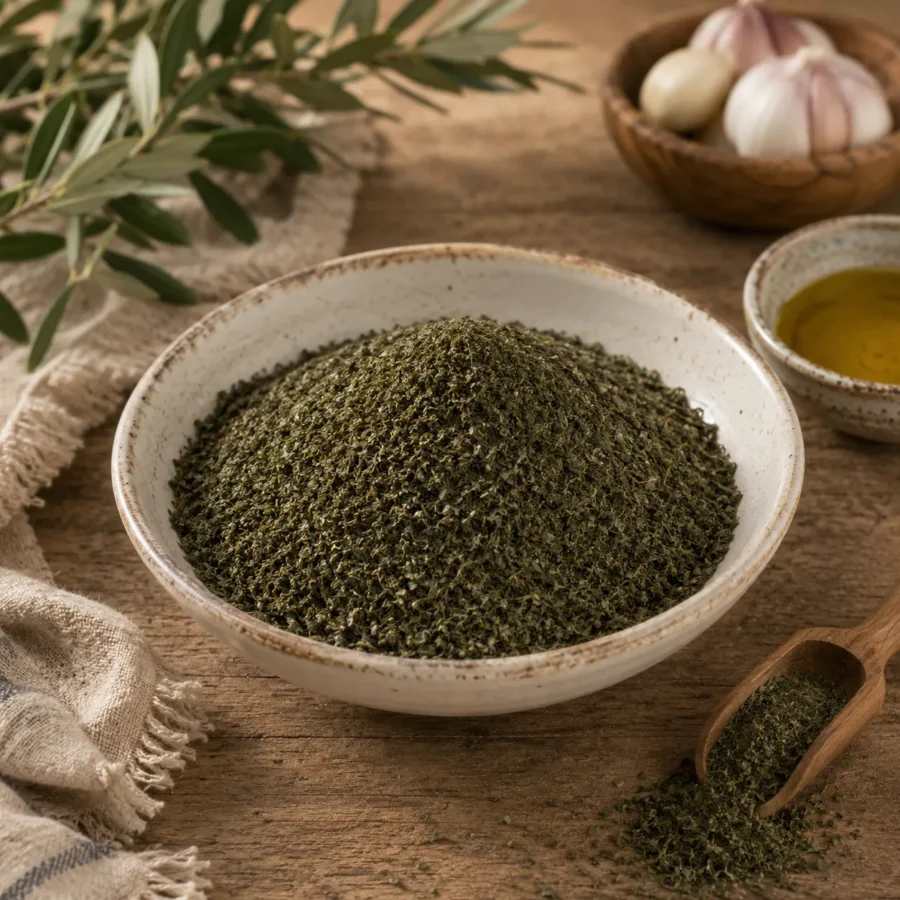
Molokhia: One of the Levant’s Most Beloved Traditional Dishes
Molokhia: One of the Levant's Most Beloved Traditional Dishes
Few dishes carry the same sense of familiarity, comfort, and tradition a...
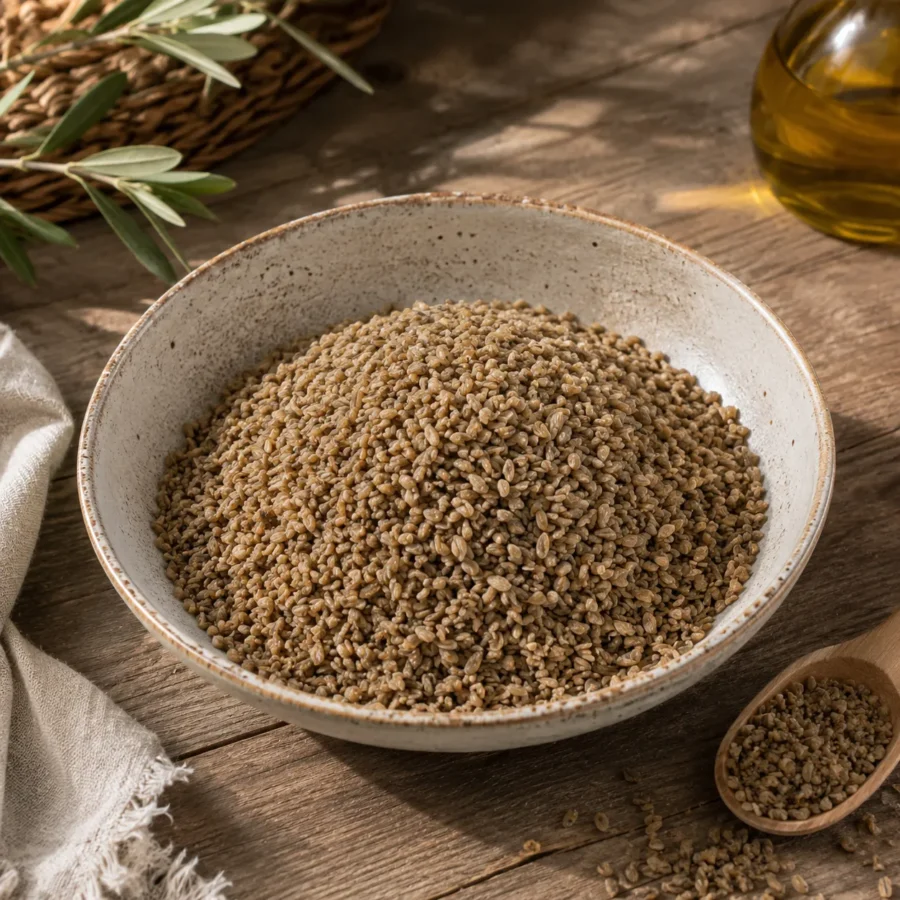
Freekeh Explained: The Ancient Grain of the Levant
Freekeh Explained: The Ancient Grain of the Levant
Long before modern food trends introduced the world to ancient grains, freekeh had ...
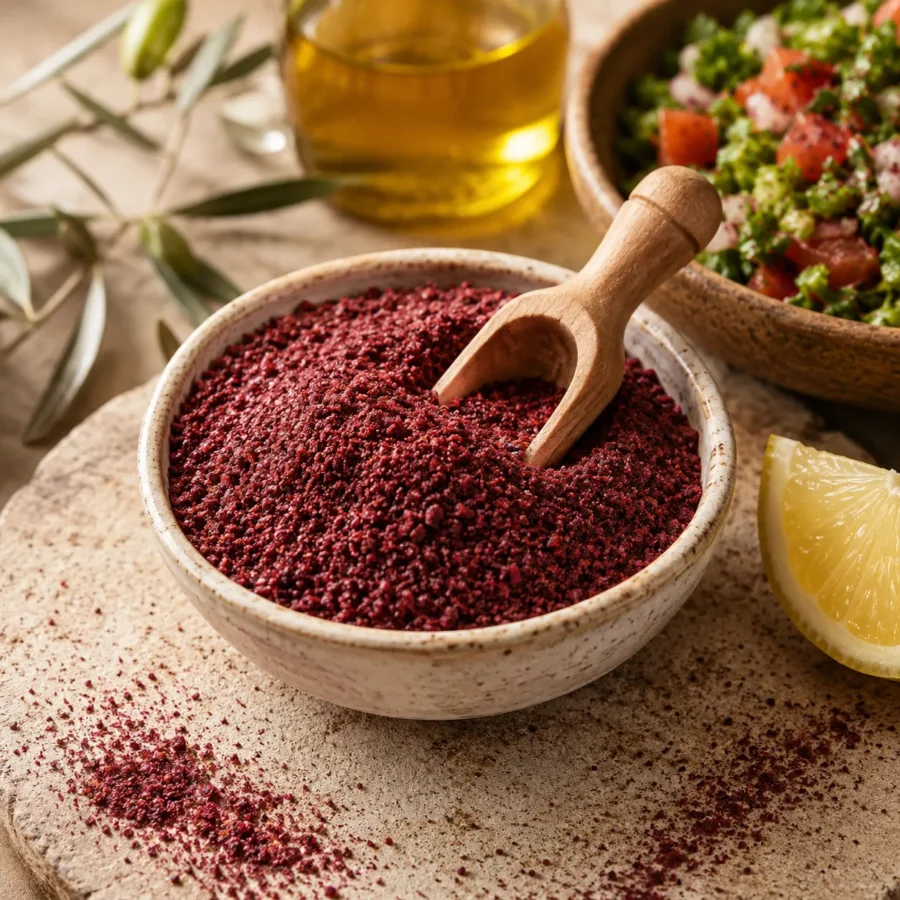
What Is Sumac? The Deep Red Spice Behind Many Levantine Dishes
What Is Sumac? The Deep Red Spice Behind Many Levantine Dishes
Among the many ingredients that define Levantine cuisine, few are as di...
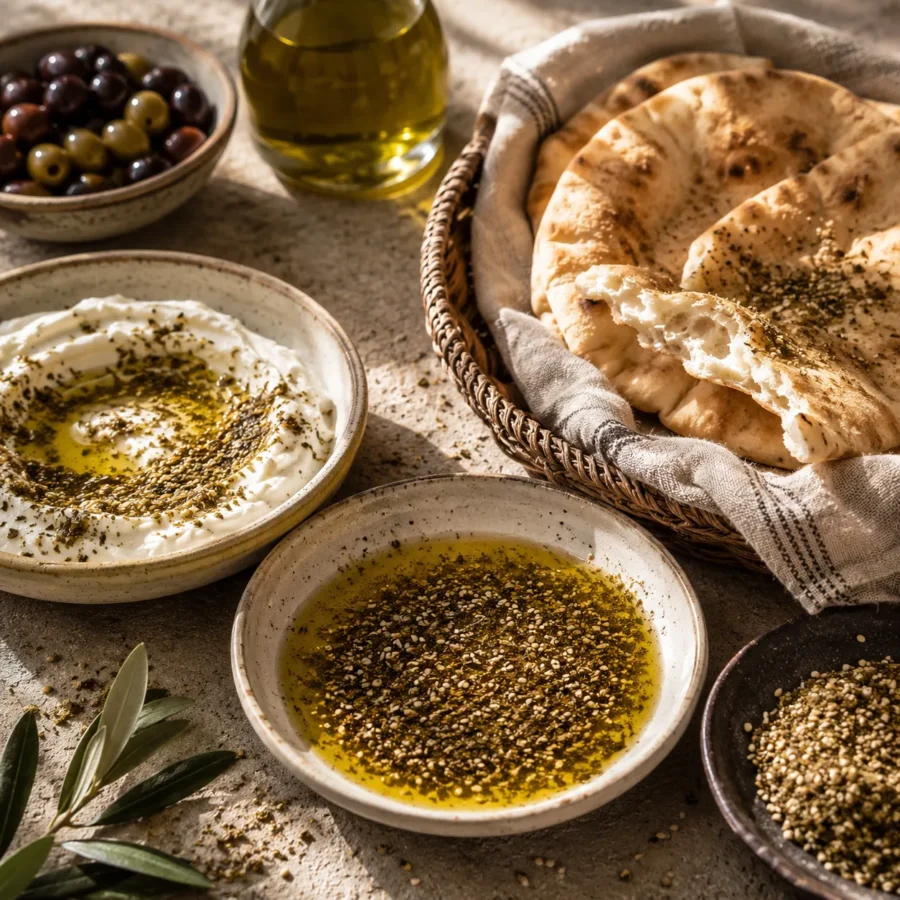
How to Enjoy Zaatar the Traditional Levantine Way
How to Enjoy Zaatar the Traditional Levantine Way
Zaatar has long been one of the most beloved ingredients in Levantine kitchens. Whil...