DARLEVANT Journal
How to Enjoy Zaatar the Traditional Levantine Way
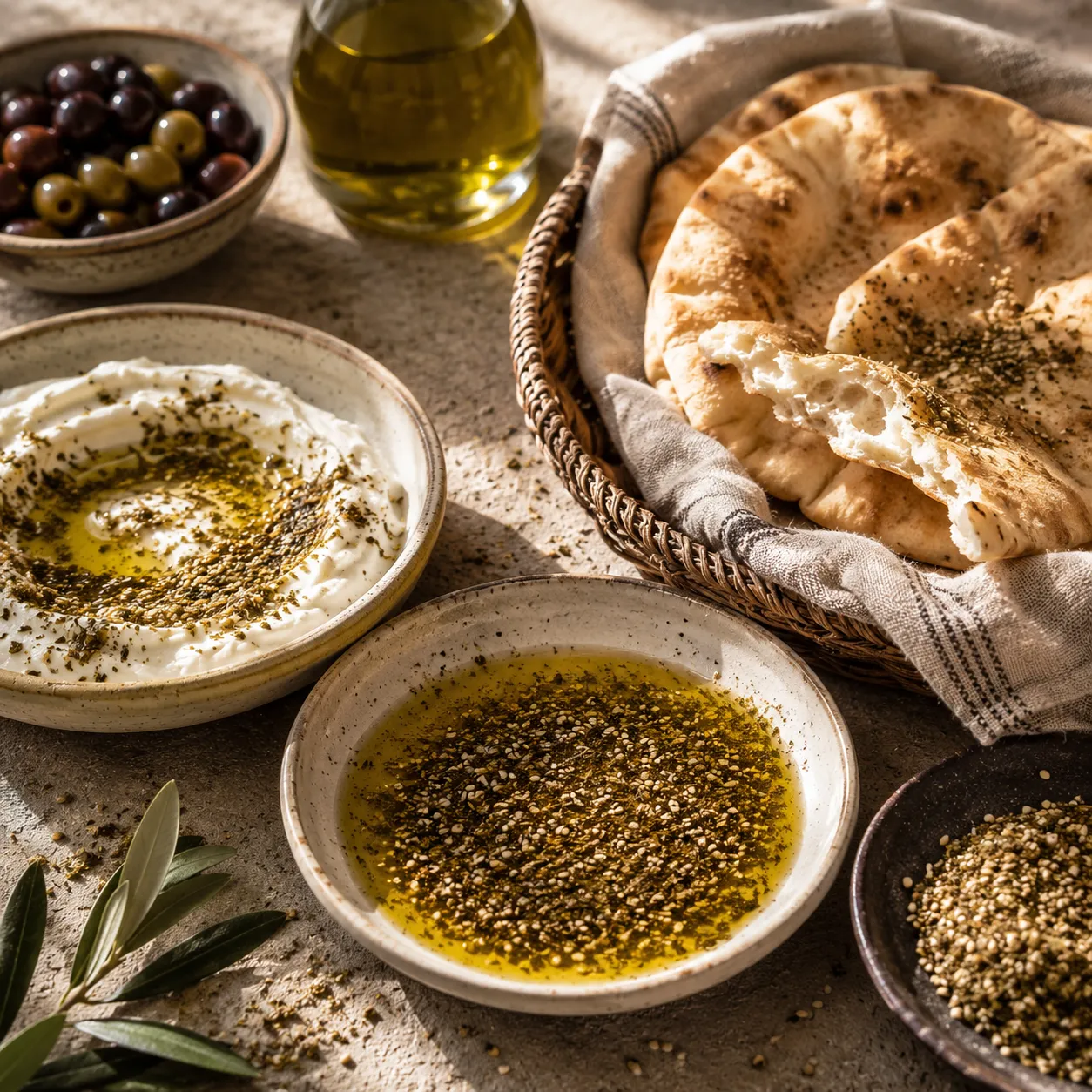
How to Enjoy Zaatar the Traditional Levantine Way
Zaatar has long been one of the most beloved ingredients in Levantine kitchens. While often described simply as a seasoning blend, its role in daily life goes far beyond flavor. Across Jordan, Palestine, Lebanon, and Syria, zaatar is closely tied to breakfast traditions, family gatherings, and simple meals built around quality ingredients.
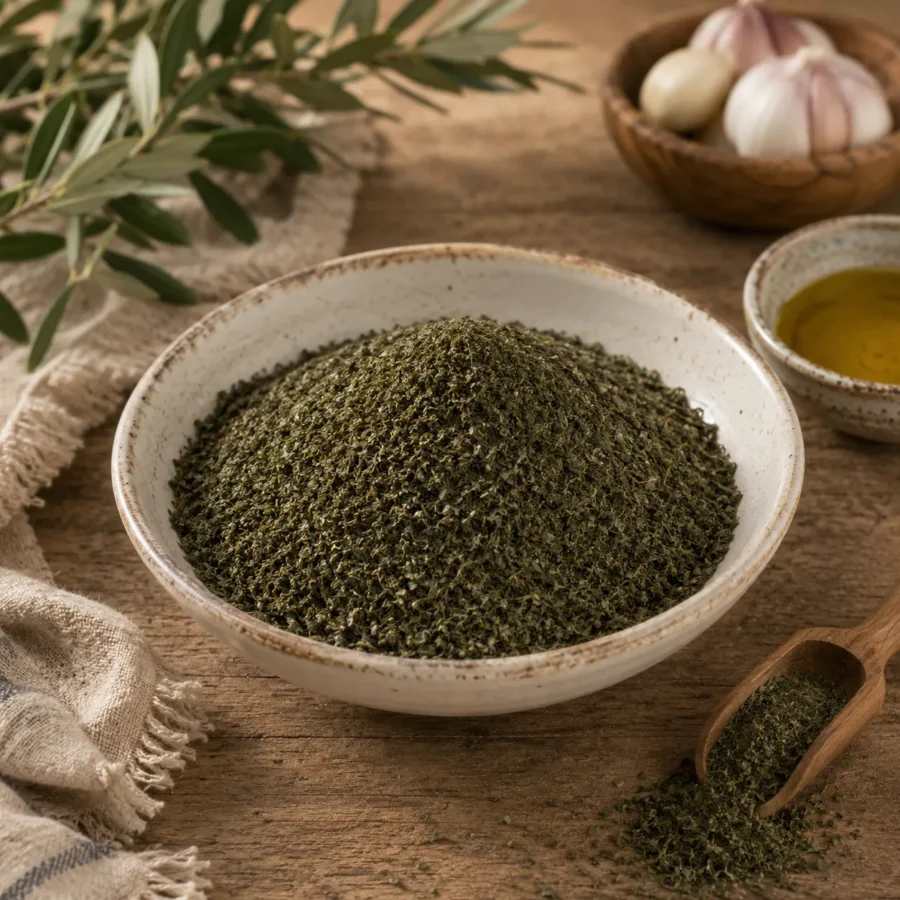
For generations, families have enjoyed zaatar in ways that highlight its distinctive herbal character, nutty sesame notes, and gentle tang from sumac. Whether served with bread and olive oil or incorporated into everyday cooking, zaatar remains one of the most versatile staples of Levantine cuisine.
The Classic Combination: Zaatar and Olive Oil
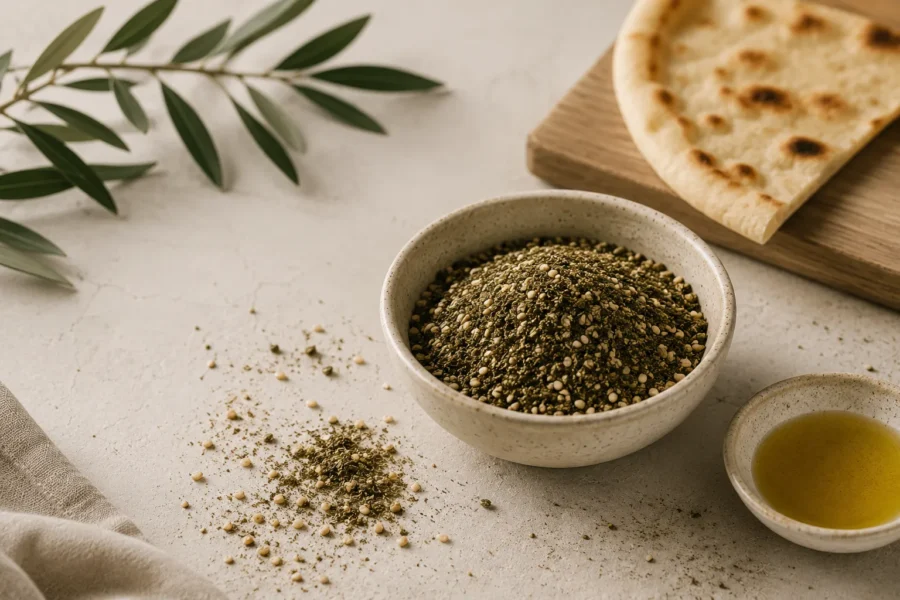
If there is one way to experience zaatar as it has been enjoyed for generations, it is with olive oil. This timeless pairing can be found throughout the Levant and remains one of the simplest and most satisfying ways to enjoy the blend.
A small dish of olive oil is paired with zaatar, allowing bread to be dipped into the oil and then coated with the aromatic mixture. The richness of the oil complements the herbs and sesame seeds beautifully, creating a balanced flavor that has stood the test of time.
Zaatar as Part of a Traditional Breakfast
Throughout the Levant, zaatar is often served as part of a traditional breakfast spread. Fresh bread, olive oil, labneh, vegetables, olives, and zaatar create a meal that is simple yet deeply connected to regional food culture.
This style of breakfast emphasizes quality ingredients rather than complexity. It is one of the reasons zaatar has remained a daily staple for generations.
Enjoying Zaatar with Labneh
Another classic pairing is zaatar and labneh. The creamy texture of labneh complements the herbal character of the blend, creating a combination that is both rich and refreshing.
A generous sprinkle of zaatar over labneh is a familiar sight on Levantine tables and can be served alongside fresh vegetables, olives, and warm bread.
Manaqish: The Most Famous Zaatar Bread
Perhaps no dish is more closely associated with zaatar than manaqish. This traditional flatbread is topped with a mixture of zaatar and olive oil before baking, resulting in a fragrant and flavorful staple enjoyed throughout the region.
Manaqish can be enjoyed at breakfast, as a light meal, or as part of a gathering with family and friends. Its popularity reflects the enduring appeal of zaatar itself.
Using Zaatar Beyond Breakfast
Although often associated with morning meals, zaatar can be enjoyed throughout the day.
- Sprinkled over roasted vegetables.
- Added to salads for extra depth and aroma.
- Used as a finishing seasoning for grilled dishes.
- Mixed into homemade bread doughs.
- Used as a flavorful topping for flatbreads and pastries.
Its versatility allows it to complement both traditional and contemporary recipes.
Choosing an Authentic Zaatar Blend
Authentic zaatar relies on balance. High-quality herbs, roasted sesame seeds, and carefully selected ingredients come together to create a blend that is aromatic, flavorful, and true to Levantine culinary traditions.
Rather than overpowering food, a well-crafted blend enhances it, allowing each ingredient to contribute to the overall experience.
Experience Traditional Jordanian Zaatar
For those looking to bring authentic Levantine flavor into their kitchen, our Traditional Jordanian Zaatar Blend offers a classic interpretation inspired by generations of culinary tradition.
You can also explore our wider Pantry Collection to discover additional ingredients that celebrate the flavors and heritage of the Levant.
Final Thoughts
Zaatar is more than a seasoning. It is part of a living culinary tradition that continues to connect people through food, hospitality, and shared experiences. Whether enjoyed with olive oil, sprinkled over labneh, baked into manaqish, or used in everyday cooking, zaatar remains one of the most authentic expressions of Levantine cuisine.