DARLEVANT Journal
Bay Leaves Guide: How Bay Leaves Shape Traditional Levantine Cooking
Walk into almost any traditional Levantine kitchen and you’ll notice that some of the most important ingredients are rarely the ones people talk about first. While vibrant spices like sumac, zaatar, and seven spice often receive the attention, another quiet pantry essential has helped shape the region’s cuisine for centuries: the humble bay leaf.
Unlike bold seasonings that immediately dominate a recipe, bay leaves work patiently in the background. Added to simmering rice, homemade broths, soups, legumes, and slow-cooked meat dishes, they slowly release delicate herbal aromas that enrich every ingredient around them. Their contribution is subtle, yet experienced cooks instantly notice when they’re missing.
Throughout Jordan, Palestine, Lebanon, and Syria, dried bay leaves have remained one of the most dependable culinary herbs found in family pantries. They represent a style of cooking built on patience, balance, and carefully layered flavors rather than intense seasoning. This quiet elegance is one of the reasons the herb continues to hold an important place in Levantine cuisine today.
Although bay laurel grows naturally across the Mediterranean, dried leaves became especially valued because they preserved their aroma for long periods while remaining ready for everyday cooking. Their ability to withstand long simmering made them perfectly suited to the hearty soups, fragrant rice dishes, and slow-cooked recipes that continue to define regional home cooking.
Whether you’re preparing authentic Levantine recipes or simply looking to understand why this traditional herb appears in so many kitchens, learning how to use it properly can transform the depth and aroma of everyday meals.
In this guide, we’ll explore where bay leaves come from, why dried leaves are traditionally preferred, how they influence flavor, the best ways to cook with them, proper storage methods, and how they continue to support the timeless character of Levantine cuisine.
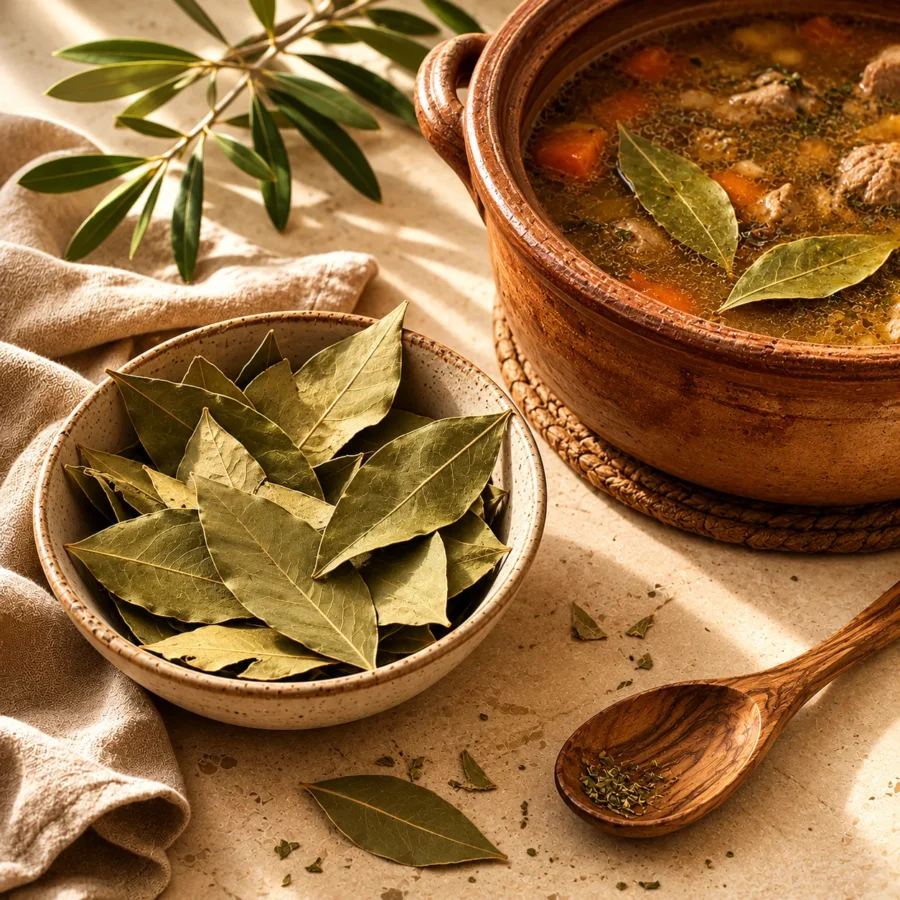
What Are Bay Leaves?
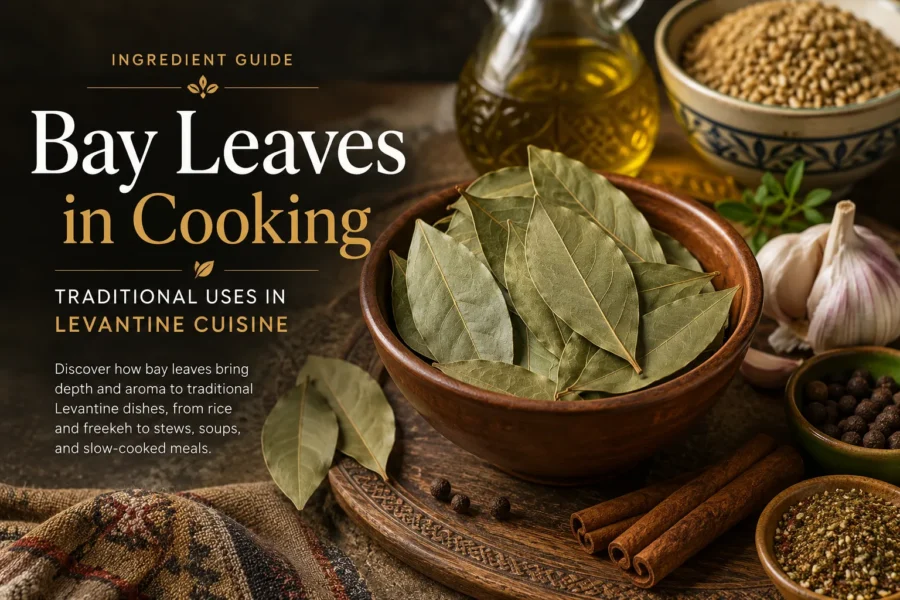
Bay leaves are the fragrant leaves of the Mediterranean bay laurel tree (Laurus nobilis), an evergreen species that has been valued for both culinary and cultural purposes for thousands of years. While many herbs are chopped into finished dishes, these aromatic leaves serve a different purpose. They are gently simmered during cooking, allowing their essential oils to perfume the surrounding ingredients before being removed prior to serving.
This cooking method explains why their influence is often described as quiet rather than obvious. Instead of contributing a single recognizable taste, they create a gentle herbal foundation that supports broths, grains, vegetables, legumes, poultry, and meat throughout the cooking process.
Fresh leaves provide a brighter, greener fragrance, but across the Levant it is the dried form that has traditionally been favored. Drying naturally concentrates the aromatic oils while extending shelf life, making the herb practical for year-round cooking without sacrificing its distinctive character.
One of the greatest strengths of this classic pantry ingredient is its versatility. It complements everything from simple vegetable soups to elaborate family feasts without competing against the main ingredients. Rather than demanding attention, it encourages the entire dish to taste more complete and harmonious.
The Story of Bay Laurel in Levantine Cuisine
The history of bay laurel stretches back to the earliest civilizations of the Mediterranean. Long before modern kitchens existed, its fragrant leaves were appreciated for their pleasant aroma and eventually became an established part of regional cooking traditions.
As trade and cultural exchange expanded throughout the Eastern Mediterranean, dried aromatic herbs became increasingly important within Levantine households. Their ability to retain quality during storage allowed families to preserve valuable ingredients for everyday meals as well as special occasions.
Across the Levant, the herb gradually found its place in recipes requiring slow, patient cooking. Pots of rice, homemade stock, lentil soup, braised meat, and vegetable stews all benefited from its gentle fragrance, creating flavors that generations came to associate with home cooking.
Its enduring popularity reflects one of the defining principles of Levantine cuisine: exceptional meals are often built from ingredients that work quietly together rather than competing for attention. Even today, many experienced cooks consider a well-stocked pantry incomplete without quality dried bay leaves ready for everyday use.
Dried Bay Leaves 350g
Bring authentic Levantine and Mediterranean flavor to your kitchen with premium dried bay leaves. Carefully selected for their rich herbal aroma and consistent quality, these naturally dried bay leaves slowly infuse soups, stews, rice dishes, sauces, legumes, marinades, and slow-cooked recipes with warm, balanced flavor that enhances every ingredient without overpowering it.
- 100% premium dried bay leaves with naturally aromatic flavor.
- Warm herbal, lightly woody, and delicately savory character.
- Perfect for soups, stews, rice dishes, sauces, stocks, and marinades.
- Ideal for Levantine, Mediterranean, and everyday home cooking.
- Slowly releases aroma during cooking for richer, more balanced meals.
- Remove before serving, as the leaves are intended for flavor infusion only.
- Carefully selected for freshness, authentic aroma, and dependable culinary performance.
Fresh vs. Dried Bay Leaves
Although both forms come from the same tree, they perform differently once they reach the kitchen. Understanding these differences makes it easier to choose the right option for each style of cooking.
Fresh leaves offer a lighter, greener aroma with subtle floral notes that work well in recipes requiring shorter cooking times. Dried leaves, however, develop a richer and more concentrated fragrance that unfolds gradually during long simmering, making them the preferred choice throughout traditional Levantine cooking.
They also offer practical advantages beyond flavor. Because properly dried leaves retain their aromatic qualities for many months, they remain one of the most reliable herbs to keep in a traditional pantry, always ready for soups, rice dishes, homemade broth, and slow-cooked family recipes.
| Feature | Fresh Bay Leaves | Dried Bay Leaves |
|---|---|---|
| Aroma | Fresh, green, lightly floral | Warm, rich, concentrated |
| Traditional Levantine Use | Occasional | Everyday pantry staple |
| Best For | Quick cooking | Rice, soups, broths, meat dishes, stews |
| Shelf Life | Short | Long when stored correctly |
| Availability | Seasonal | Year-round |
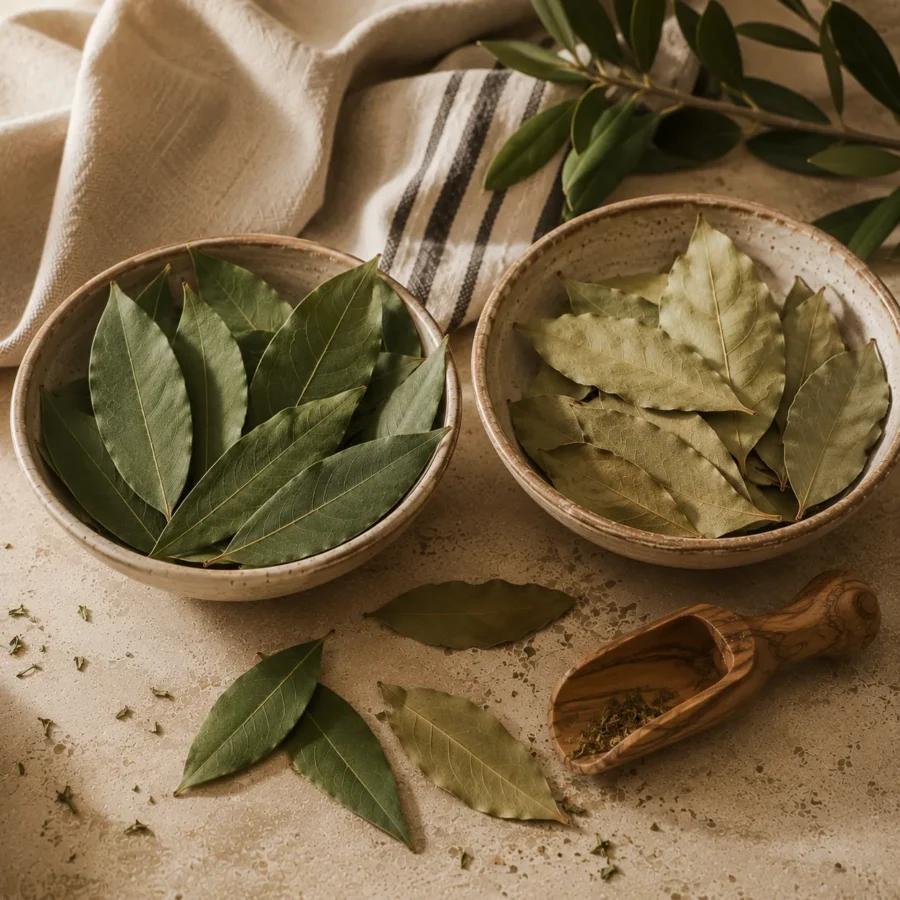
What Does This Traditional Herb Taste Like?
Many people expect a dramatic flavor the first time they cook with bay leaves, but their real strength lies in subtlety rather than intensity. They don’t dominate a recipe the way garlic, cumin, or black pepper might. Instead, they quietly build a gentle aromatic background that helps every other ingredient shine.
Their character is best described as mildly herbal, slightly woody, delicately earthy, and softly floral. Some cooks notice hints of thyme, oregano, eucalyptus, or tea-like aromas, yet none of these notes stand out individually. Together they create an elegant fragrance that feels complete without drawing attention to itself.
This balanced profile explains why the herb appears in such a wide variety of traditional recipes. Whether simmering with rice, vegetables, legumes, poultry, or slow-cooked meat, it contributes depth without changing the natural identity of the dish.
Perhaps the easiest way to appreciate its importance is to compare two identical broths—one prepared with dried bay leaves and one without them. Both may taste good, yet the broth infused with the leaves will usually feel more rounded, aromatic, and satisfying despite the absence of any obvious individual flavor.
Why Bay Leaves Are Added at the Beginning of Cooking
Unlike delicate herbs that are sprinkled over food just before serving, bay leaves need time to work. Their aromatic oils are released slowly as they simmer, gradually blending with the cooking liquid and enriching every ingredient in the pot.
For this reason, experienced Levantine cooks almost always add them during the earliest stages of cooking. Whether preparing broth, soup, rice, lentils, beans, or braised meat, giving the leaves enough time allows their fragrance to develop naturally without becoming overpowering.
Slow cooking is especially important because it mirrors the traditional methods that have shaped Levantine cuisine for generations. As onions soften, vegetables release sweetness, grains absorb broth, and meat becomes tender, the gentle aroma of bay laurel quietly ties every component together.
Once the cooking process is complete, the leaves are removed before serving. By then they have already delivered everything needed to enrich the dish while remaining firm enough that they are not intended to be eaten.
Dried Bay Leaves 350g
Bring authentic Levantine and Mediterranean flavor to your kitchen with premium dried bay leaves. Carefully selected for their rich herbal aroma and consistent quality, these naturally dried bay leaves slowly infuse soups, stews, rice dishes, sauces, legumes, marinades, and slow-cooked recipes with warm, balanced flavor that enhances every ingredient without overpowering it.
- 100% premium dried bay leaves with naturally aromatic flavor.
- Warm herbal, lightly woody, and delicately savory character.
- Perfect for soups, stews, rice dishes, sauces, stocks, and marinades.
- Ideal for Levantine, Mediterranean, and everyday home cooking.
- Slowly releases aroma during cooking for richer, more balanced meals.
- Remove before serving, as the leaves are intended for flavor infusion only.
- Carefully selected for freshness, authentic aroma, and dependable culinary performance.
Traditional Uses Across Levantine Cuisine
Few culinary herbs are as versatile as dried bay leaves. Although rarely seen on the finished plate, they appear in an extraordinary variety of traditional recipes that rely on slow, gentle cooking to develop flavor.
Throughout Levantine kitchens they are commonly used in:
- Traditional rice dishes served with roasted chicken or lamb.
- Homemade vegetable and meat broths.
- Slow-cooked lamb and beef recipes.
- Lentil soup and hearty bean stews.
- Stuffed vegetables prepared in aromatic broth.
- Whole chicken simmered for festive family meals.
- Large batches of homemade stock used as the foundation for many traditional dishes.
In many households, the leaves are combined with ingredients such as cinnamon, cardamom, whole black pepper, garlic, onions, and traditional seven spice blend. Each ingredient plays a different role, but together they create the balanced fragrance that has become synonymous with authentic Levantine home cooking.
A Natural Companion for Rice Dishes
Rice occupies a central place in Levantine cuisine, making aromatic herbs particularly valuable. A single dried leaf gently simmered with the cooking liquid perfumes the grains with subtle herbal notes that pair beautifully with roasted meat, poultry, vegetables, and traditional spice blends.
This technique has remained popular because it requires very little effort while producing noticeably richer results. Combined with quality broth and carefully selected spices, the herb helps create the comforting aroma that many families immediately associate with homemade Levantine meals.
Bay Leaves with Meat and Poultry
Traditional Levantine cooking relies on gentle layers of flavor rather than overwhelming seasoning, and this is where dried bay leaves truly excel. When preparing lamb, beef, or whole chicken, one or two leaves are usually added to the cooking liquid long before the meat becomes tender. During the slow simmer, their delicate herbal aroma gradually blends with the natural richness of the broth.
Rather than changing the flavor of the meat itself, the leaves enhance everything surrounding it. They help create a more rounded cooking liquid that is later absorbed by grains, vegetables, or sauces, giving the entire meal greater depth without introducing dominant herbal notes.
Many traditional family recipes combine dried bay leaves with cinnamon sticks, whole cardamom, onions, garlic, and black pepper. Each ingredient contributes something different, but together they form the aromatic foundation that has characterized Levantine kitchens for generations.
This careful balance explains why experienced cooks continue using bay leaves today. Their contribution may be subtle, but it is one of the elements that transforms an ordinary pot of meat into something that feels deeply comforting and unmistakably traditional.
Building Flavor in Soups, Stews, and Homemade Broths
Few ingredients are better suited to slow-simmered soups and broths than dried bay leaves. Because they gradually release their essential oils over time, they perform best in recipes that cook gently rather than quickly.
Traditional lentil soup, chicken broth, vegetable stock, bean stews, and hearty meat soups often begin with onions, garlic, vegetables, and one or two bay leaves slowly infusing the cooking liquid. As the broth develops, the herbal aroma becomes fully integrated, creating complexity without drawing attention away from the other ingredients.
Many Levantine households also prepare homemade stock in large batches to use throughout the week. Bay leaves remain one of the classic additions because their fragrance complements rice dishes, soups, sauces, and countless family recipes prepared from that same broth.
Unlike delicate herbs that quickly lose their character during prolonged cooking, dried bay leaves are remarkably stable. Their ability to maintain a gentle aromatic presence throughout hours of simmering makes them indispensable for traditional slow-cooked meals.
Common Mistakes When Cooking with Bay Leaves
Although using bay leaves is simple, a few common mistakes can prevent them from delivering their full aromatic potential.
- Adding them too late in the cooking process instead of allowing enough simmering time.
- Using too many leaves, which may introduce unnecessary bitterness.
- Forgetting to remove them before serving.
- Using very old leaves that have already lost much of their fragrance.
- Storing them near heat, moisture, or direct sunlight.
Most traditional recipes require only one or two quality leaves. Their purpose is to support the dish quietly rather than become the dominant flavor.
Choosing High-Quality Dried Bay Leaves
Quality begins with appearance and aroma. Well-preserved leaves should be whole, naturally green with soft olive tones, and noticeably fragrant as soon as the container is opened. A pleasant herbal scent is one of the clearest indicators that the essential oils remain intact.
Leaves that appear faded, excessively brittle, or nearly scentless have often spent too long in storage and will contribute far less during cooking. Choosing carefully sourced products helps ensure that every recipe benefits from the subtle fragrance that has made this traditional herb a trusted pantry ingredient for centuries.
Proper Storage for Maximum Freshness
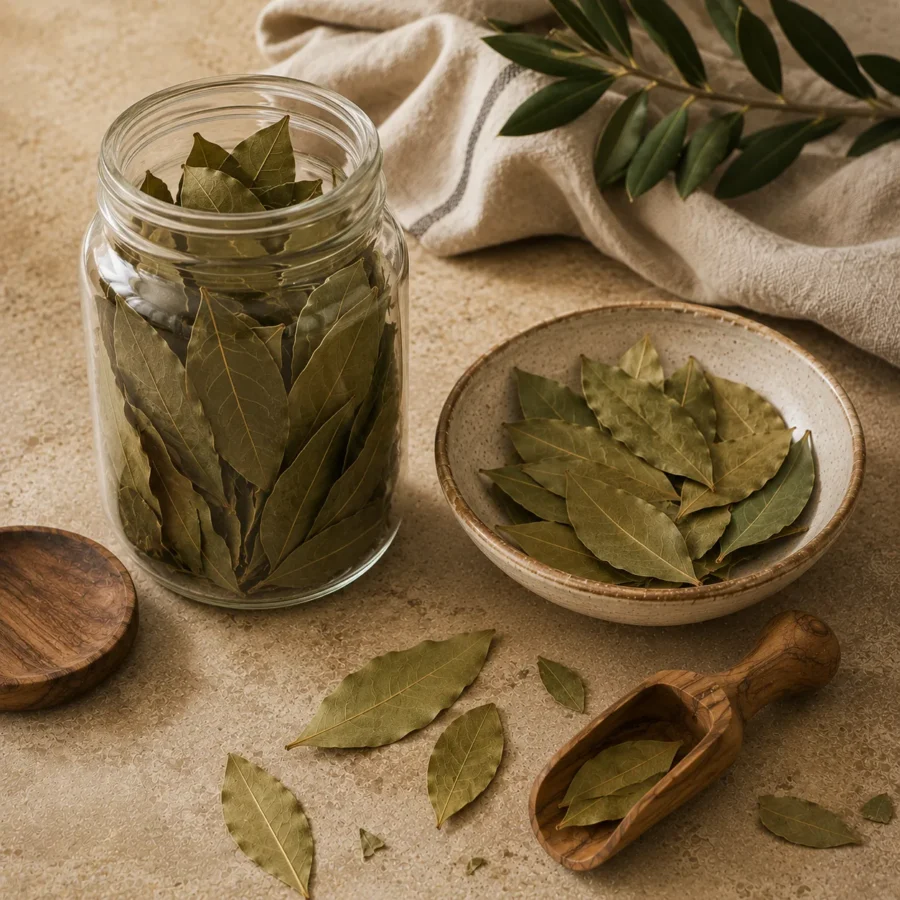
Proper storage helps preserve the natural aroma of dried bay leaves for many months. Although they naturally have a long shelf life, exposure to moisture, heat, and strong light gradually reduces the essential oils responsible for their distinctive fragrance.
- Keep them in an airtight container.
- Store them in a cool, dry cupboard.
- Avoid direct sunlight.
- Always use clean, dry utensils.
- Keep them away from strongly scented foods that may affect their aroma.
With simple storage habits, this classic culinary herb remains ready whenever traditional Levantine cooking calls for its quiet aromatic depth.
Dried Bay Leaves 350g
Bring authentic Levantine and Mediterranean flavor to your kitchen with premium dried bay leaves. Carefully selected for their rich herbal aroma and consistent quality, these naturally dried bay leaves slowly infuse soups, stews, rice dishes, sauces, legumes, marinades, and slow-cooked recipes with warm, balanced flavor that enhances every ingredient without overpowering it.
- 100% premium dried bay leaves with naturally aromatic flavor.
- Warm herbal, lightly woody, and delicately savory character.
- Perfect for soups, stews, rice dishes, sauces, stocks, and marinades.
- Ideal for Levantine, Mediterranean, and everyday home cooking.
- Slowly releases aroma during cooking for richer, more balanced meals.
- Remove before serving, as the leaves are intended for flavor infusion only.
- Carefully selected for freshness, authentic aroma, and dependable culinary performance.
Building a Traditional Levantine Pantry
A well-prepared Levantine pantry is built around ingredients that complement one another rather than compete for attention. Premium olive oil, fragrant herbs, warming spices, and carefully selected grains all work together to create the balanced flavors that have defined regional cooking for generations.
Dried bay leaves fit naturally into this collection. While they may not be the first ingredient people notice, they quietly support countless recipes by enriching broths, rice dishes, soups, legumes, and slow-cooked meats with gentle herbal complexity.
Alongside authentic seven spice blend, traditional zaatar, aromatic sumac, cumin, coriander, cinnamon, black pepper, and heritage grains such as freekeh, bay leaves help form the culinary foundation of many classic Levantine meals. Their subtle fragrance connects these ingredients without overpowering them, reflecting the region’s long-standing preference for balance over intensity.
Whether you’re building your first Levantine pantry or expanding an existing collection, keeping premium dried bay leaves on hand allows you to recreate many of the comforting aromas associated with authentic family cooking throughout the region.
Discover Authentic Dried Bay Leaves
Quality ingredients often make the biggest difference in recipes that appear simple. Carefully selected dried bay leaves provide a gentle aromatic foundation that supports countless traditional dishes without dominating their natural flavors.
At DARLEVANT, our premium dried bay leaves are selected to reflect authentic Levantine culinary traditions. Their rich natural fragrance makes them an excellent choice for rice dishes, homemade broths, soups, legumes, slow-cooked meats, and many other recipes where patient cooking creates exceptional flavor.
Whether you’re recreating cherished family recipes or discovering Levantine cuisine for the first time, authentic bay leaves help preserve the warmth, craftsmanship, and quiet elegance that continue to define the region’s cooking today.
Dried Bay Leaves 350g
Bring authentic Levantine and Mediterranean flavor to your kitchen with premium dried bay leaves. Carefully selected for their rich herbal aroma and consistent quality, these naturally dried bay leaves slowly infuse soups, stews, rice dishes, sauces, legumes, marinades, and slow-cooked recipes with warm, balanced flavor that enhances every ingredient without overpowering it.
- 100% premium dried bay leaves with naturally aromatic flavor.
- Warm herbal, lightly woody, and delicately savory character.
- Perfect for soups, stews, rice dishes, sauces, stocks, and marinades.
- Ideal for Levantine, Mediterranean, and everyday home cooking.
- Slowly releases aroma during cooking for richer, more balanced meals.
- Remove before serving, as the leaves are intended for flavor infusion only.
- Carefully selected for freshness, authentic aroma, and dependable culinary performance.
Frequently Asked Questions
What are bay leaves used for?
They are used to gently perfume soups, broths, rice dishes, legumes, stews, and slow-cooked meat recipes. The leaves are removed before serving after they have infused the dish with their aroma.
Should dried bay leaves be removed before serving?
Yes. Although they release valuable flavor during cooking, the leaves remain firm and are traditionally removed before the meal is served.
Why are dried bay leaves more common than fresh ones?
Drying naturally concentrates the aromatic oils while significantly extending shelf life, making them more practical for everyday cooking and long-simmered recipes.
How many leaves should I use?
For most family-sized dishes, one or two leaves provide plenty of aroma. Using more is not necessarily better and may produce unnecessary bitterness.
When should I add them during cooking?
Add them near the beginning of cooking so they have enough time to slowly release their essential oils into the broth or cooking liquid.
Can they be used with vegetarian recipes?
Absolutely. They pair beautifully with lentils, beans, vegetables, grains, soups, and homemade vegetable stock.
How should they be stored?
Keep them in an airtight container away from heat, sunlight, and moisture to preserve their fragrance for as long as possible.
Why are bay leaves considered essential in Levantine cuisine?
Because they contribute gentle aromatic depth that supports many traditional recipes without overpowering the natural flavors of the ingredients, making them one of the region’s most dependable culinary herbs.
The DARLEVANT Difference
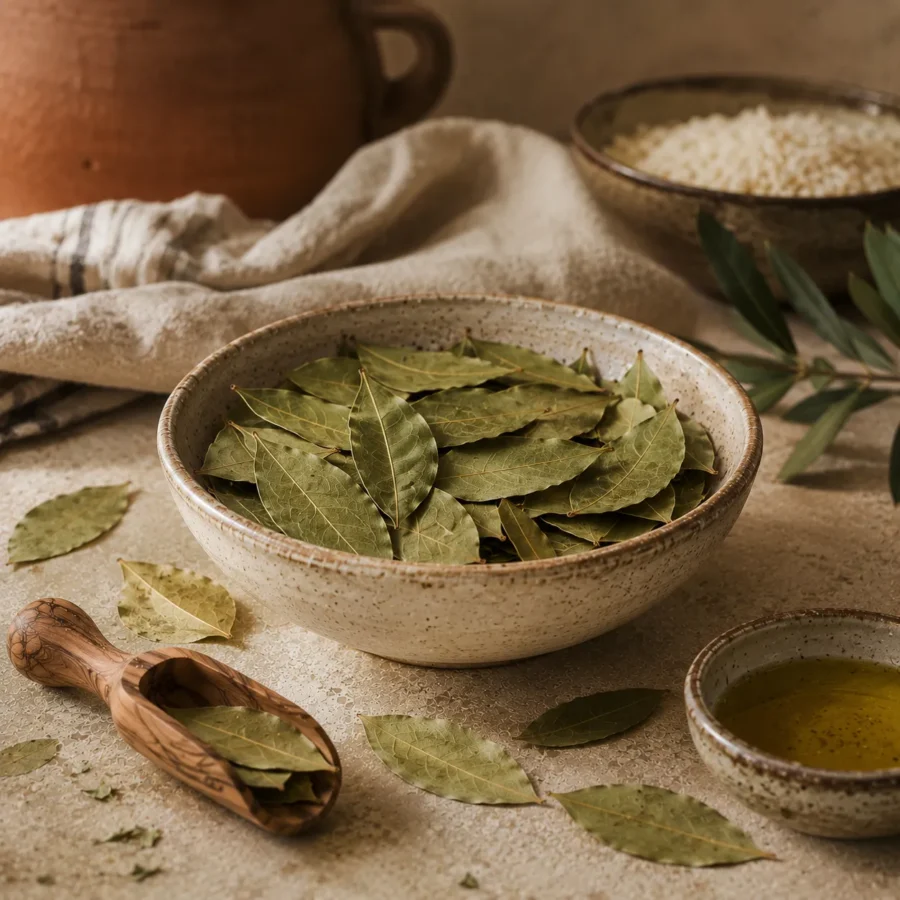
At DARLEVANT, we believe authentic Levantine cooking begins with ingredients chosen for their quality, heritage, and ability to preserve generations of culinary tradition. Some ingredients attract immediate attention, while others quietly shape the character of an entire meal. Bay leaves belong to the latter.
Our carefully selected dried bay leaves are chosen to deliver the balanced herbal aroma that has supported Levantine family recipes for centuries. Rather than overwhelming a dish, they gently enrich soups, broths, rice, legumes, and slow-cooked meals with the understated elegance that defines the region’s cuisine.
Every DARLEVANT pantry essential reflects our commitment to authenticity, thoughtful sourcing, and timeless flavors—helping home cooks around the world experience the warmth and craftsmanship of traditional Levantine kitchens.
Continue Exploring the Flavors of the Levant
- Discover our cornerstone guide: A Complete Guide to Levantine Spices: The Essential Flavors Behind Traditional Cooking
- Learn about authentic Levantine seasoning: Seven Spice Blend Explained: A Staple of Levantine Cooking
- Discover one of the Levant’s oldest heritage grains: What Is Freekeh? The Ancient Grain of the Levant
- Explore how freekeh is traditionally served: Levantine Table Freekeh: How This Ancient Grain Is Traditionally Served
- Learn how hospitality shapes regional cuisine: How Arabic Hospitality Shapes Levantine Food Culture