DARLEVANT Journal
Traditional Jordanian Zaatar: What Makes It Different from Ordinary Zaatar Blends?
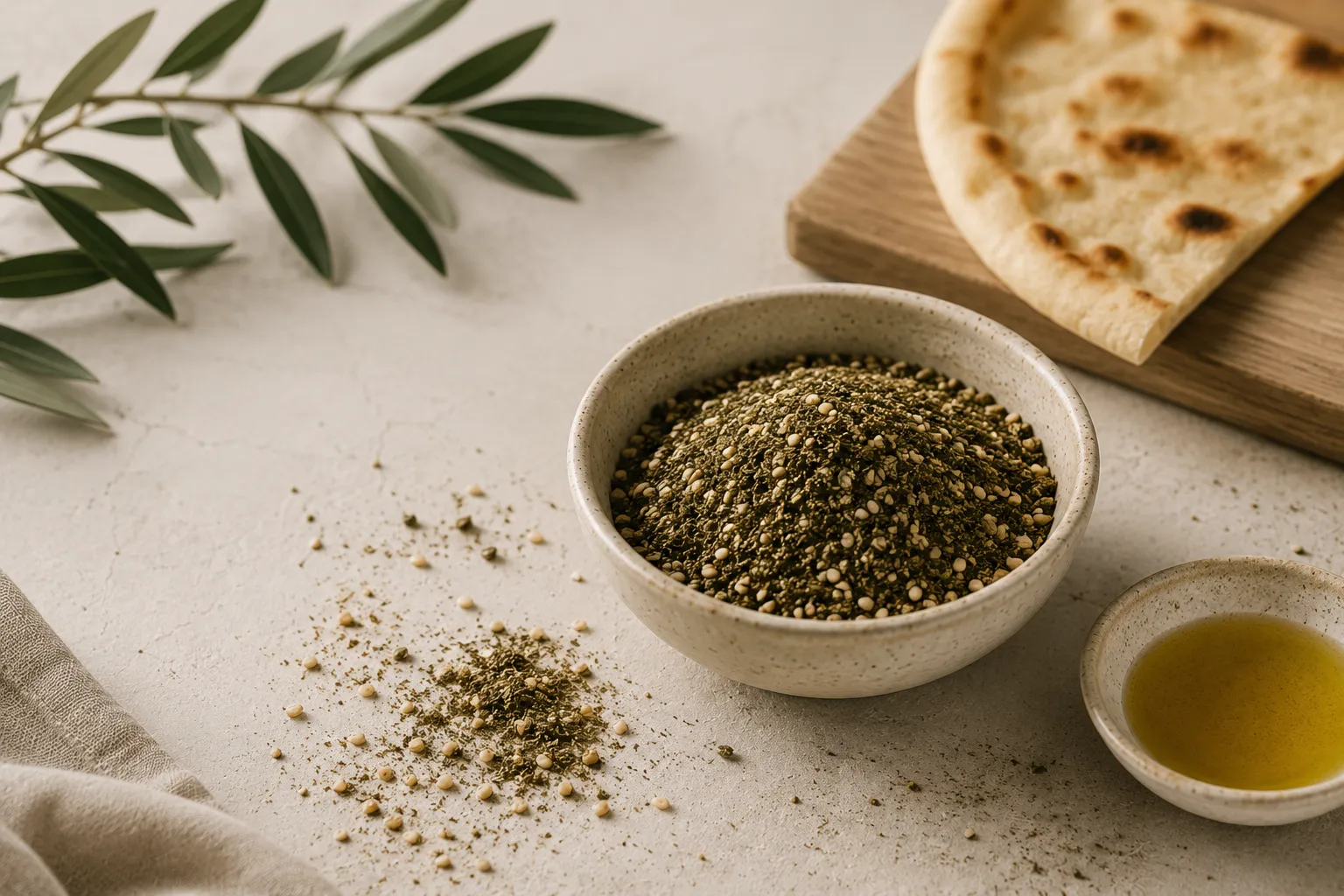
Traditional Jordanian Zaatar: What Makes It Different from Ordinary Zaatar Blends?
Few ingredients represent the spirit of Levantine cuisine as completely as zaatar. Found in homes across Jordan and the wider Levant, this beloved blend has been enjoyed for generations as part of everyday meals, family breakfasts, and cherished food traditions.
While many products around the world are labeled as zaatar, not all blends are created equally. Traditional Jordanian zaatar stands apart through its balance of aromatic herbs, roasted sesame seeds, and vibrant sumac, creating a flavor profile that is earthy, nutty, tangy, and unmistakably authentic.
What Is Traditional Jordanian Zaatar?
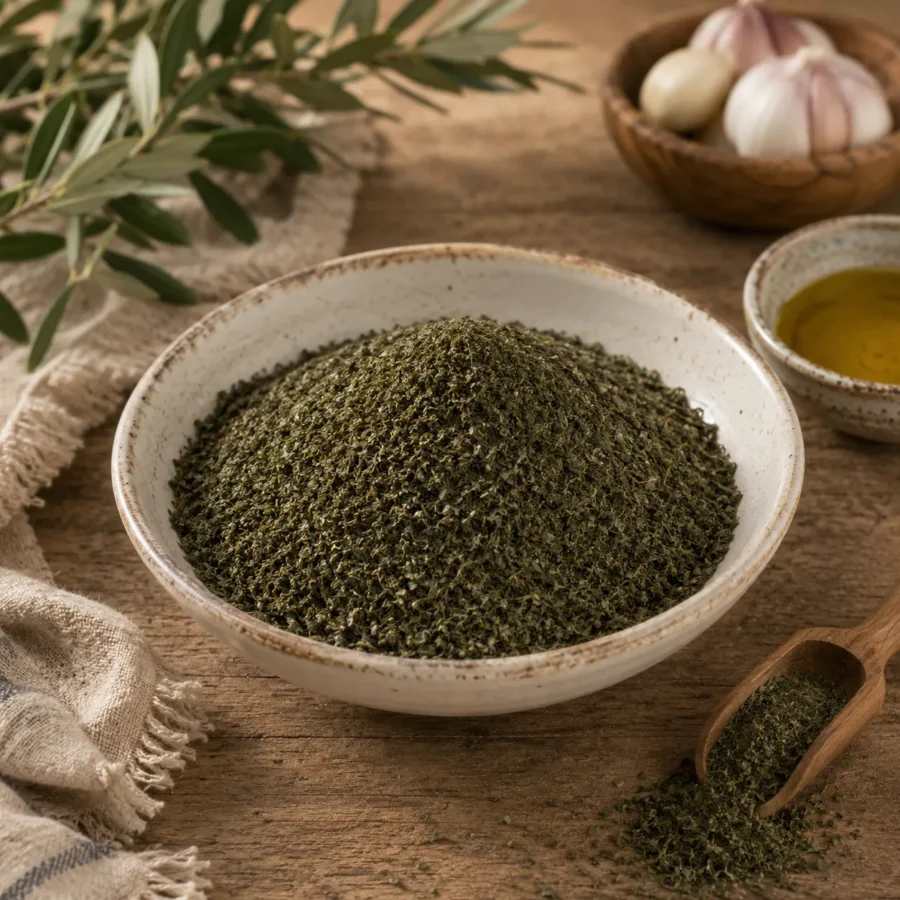
Zaatar is a classic Levantine herb blend traditionally made using a combination of aromatic herbs, sesame seeds, sumac, and carefully balanced seasonings. Throughout the Levant, regional variations exist, with each community developing its own preferred balance of ingredients over generations.
Jordanian zaatar is especially valued for its rich herbal character and balanced flavor. It is neither overwhelmingly sour nor excessively salty. Instead, it delivers a harmonious combination of freshness, depth, and warmth that complements a wide variety of foods.
The Essential Ingredients
The character of any zaatar blend begins with its ingredients. A well-balanced blend brings together herbs, roasted sesame seeds, sumac, and traditional seasonings in a way that feels complete without overpowering the food it accompanies.
- Herbal base for aroma and earthy depth.
- Roasted sesame seeds for texture and nutty richness.
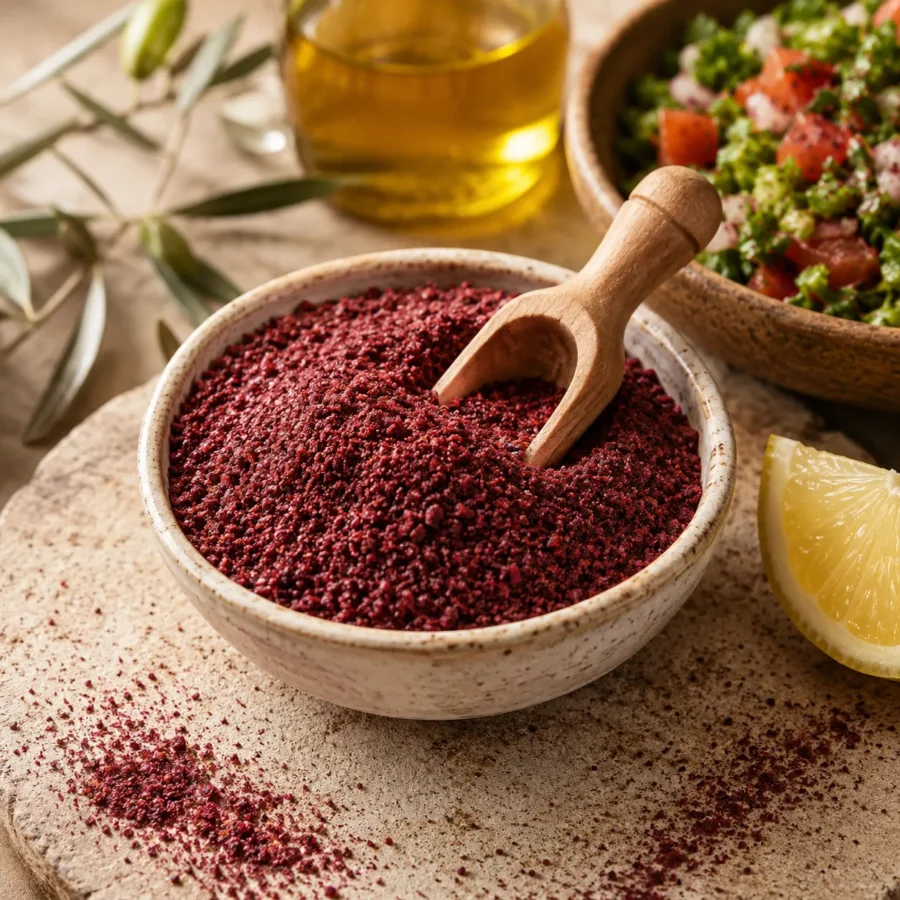
- Sumac for a bright, tangy character.
- Traditional seasonings for balance and harmony.
Why Jordanian Zaatar Is So Popular
Jordanian zaatar has long been a staple of everyday life. It is simple, versatile, and deeply connected to regional food traditions. Many families enjoy it as part of breakfast, mixed with olive oil and served alongside fresh bread.
Its versatility is one of the reasons it remains a pantry essential across generations. It can be sprinkled over labneh, added to salads, used with roasted vegetables, or included in baked recipes and flatbreads.
Zaatar and Olive Oil: A Timeless Combination
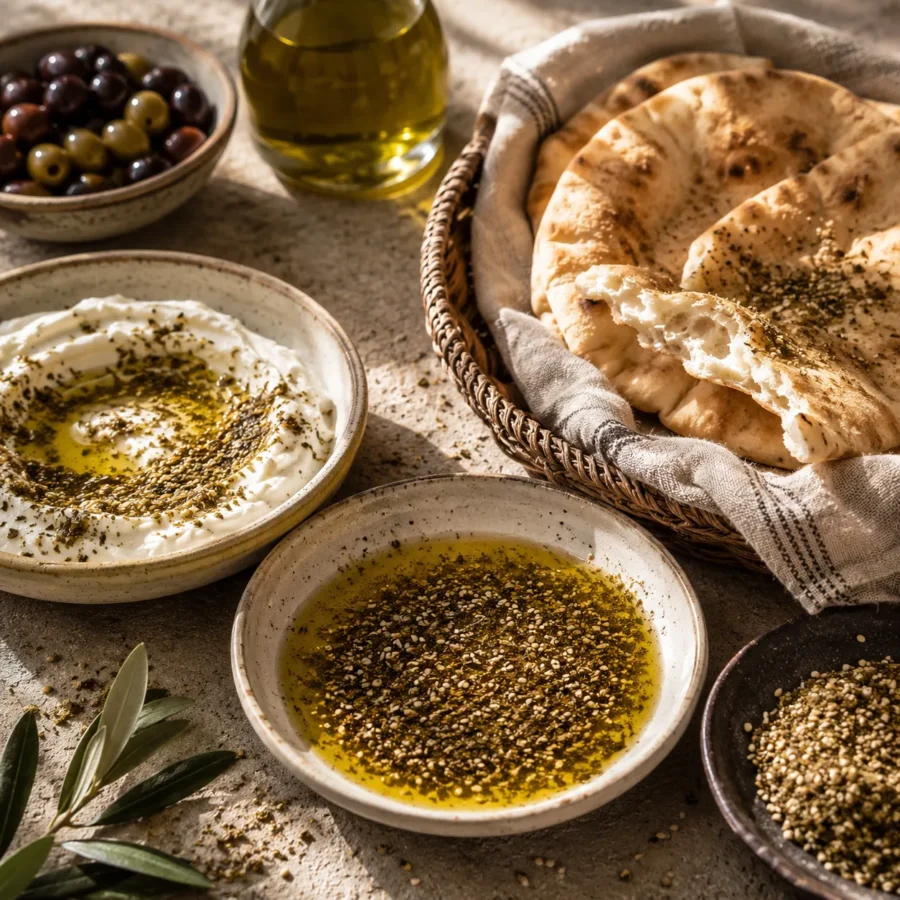
Perhaps the most iconic way to enjoy zaatar is with olive oil. When combined, the herbs absorb the oil while the sesame seeds add texture and richness. The result is simple, balanced, and deeply connected to Levantine food culture.
How to Use Zaatar in Everyday Cooking
- Mix with olive oil and serve with bread.
- Sprinkle over labneh or soft cheese.
- Use as a finishing seasoning for roasted vegetables.
- Add to salads for extra depth and aroma.
- Use in homemade flatbreads and baked recipes.
- Sprinkle over eggs and breakfast dishes.
How to Choose an Authentic Zaatar Blend
Not every zaatar blend reflects traditional Levantine craftsmanship. When selecting a blend, look for authentic ingredients, balanced flavor, and traditional preparation methods. A quality blend should showcase the natural aroma of herbs and sesame without relying on excessive fillers or overpowering additives.
Authenticity is often found in simplicity.
Explore Traditional Jordanian Zaatar
If you would like to experience an authentic Levantine blend inspired by generations of tradition, explore our Traditional Jordanian Zaatar Blend 350g.
You can also discover more heritage ingredients through our Levantine Pantry collection, curated for everyday cooking, traditional flavor, and refined simplicity.
Final Thoughts
Traditional Jordanian zaatar is more than a seasoning. It is a reflection of culinary heritage, regional identity, and everyday hospitality. Whether enjoyed with olive oil, incorporated into recipes, or served as part of a simple breakfast, authentic Jordanian zaatar continues to offer a timeless taste of the Levant.