DARLEVANT Journal
Sumac Spice Guide: Why This Deep Red Spice Is a Levantine Kitchen Essential
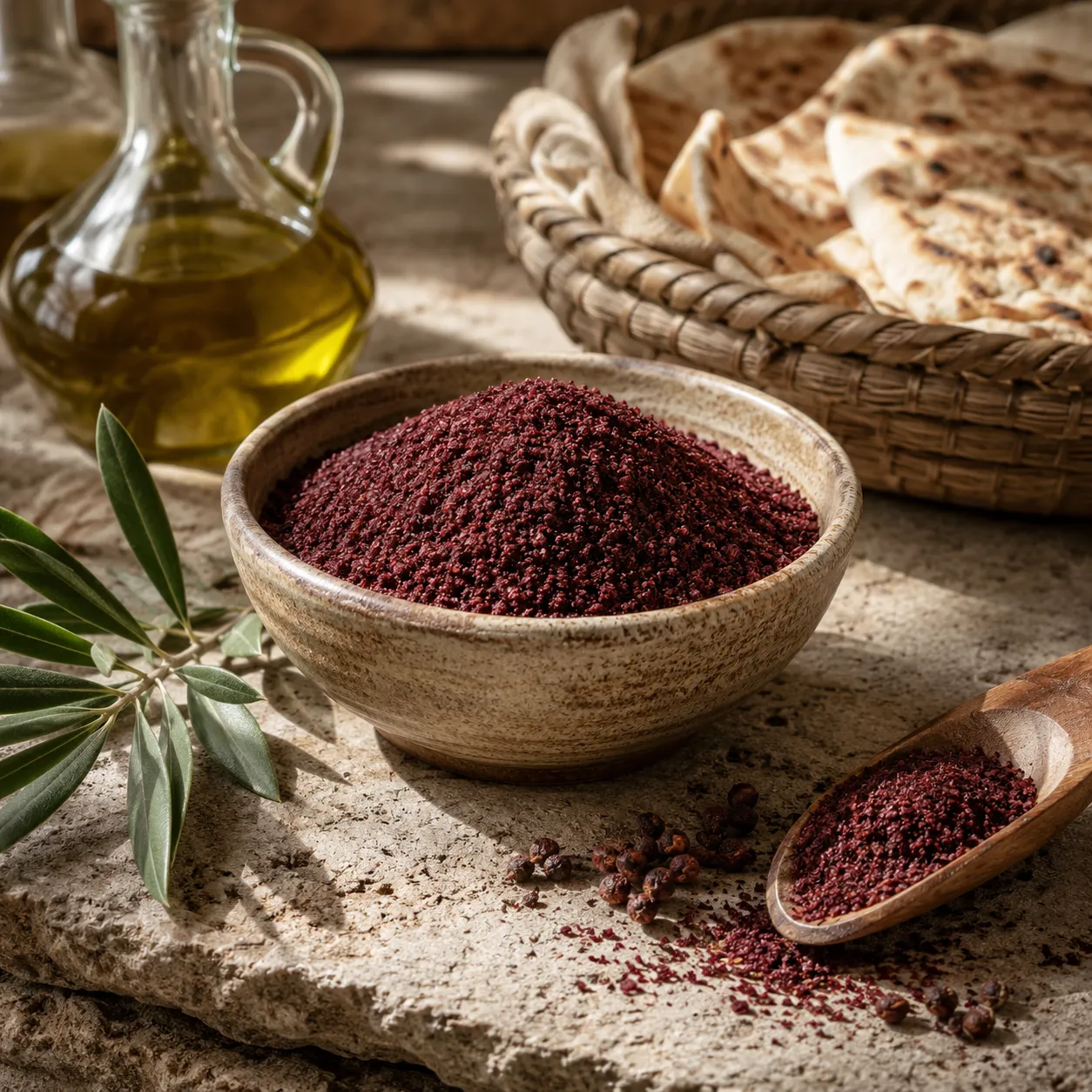
Sumac Spice Guide: Why This Deep Red Spice Is a Levantine Kitchen Essential
Few ingredients capture the character of Levantine cuisine quite like sumac. Instantly recognizable by its deep red color and bright tangy flavor, this traditional spice has been a staple of kitchens across Jordan, Palestine, Lebanon, and Syria for generations. Known as سماق in Arabic, sumac is one of those ingredients that quietly transforms a dish, bringing balance, depth, and a distinctive regional identity that is difficult to replicate with any other spice.
Whether sprinkled over a fresh fattoush salad, mixed into traditional zaatar blends, or used in beloved dishes such as musakhan, sumac has earned its place among the most essential ingredients of Levantine cooking. While many people discover it through Middle Eastern cuisine, its versatility has helped it find a place in modern kitchens around the world.
In this guide, we’ll explore what sumac is, how it is traditionally used, what makes quality sumac stand out, and why this remarkable spice continues to be a pantry essential throughout the Levant.
What Is Sumac?
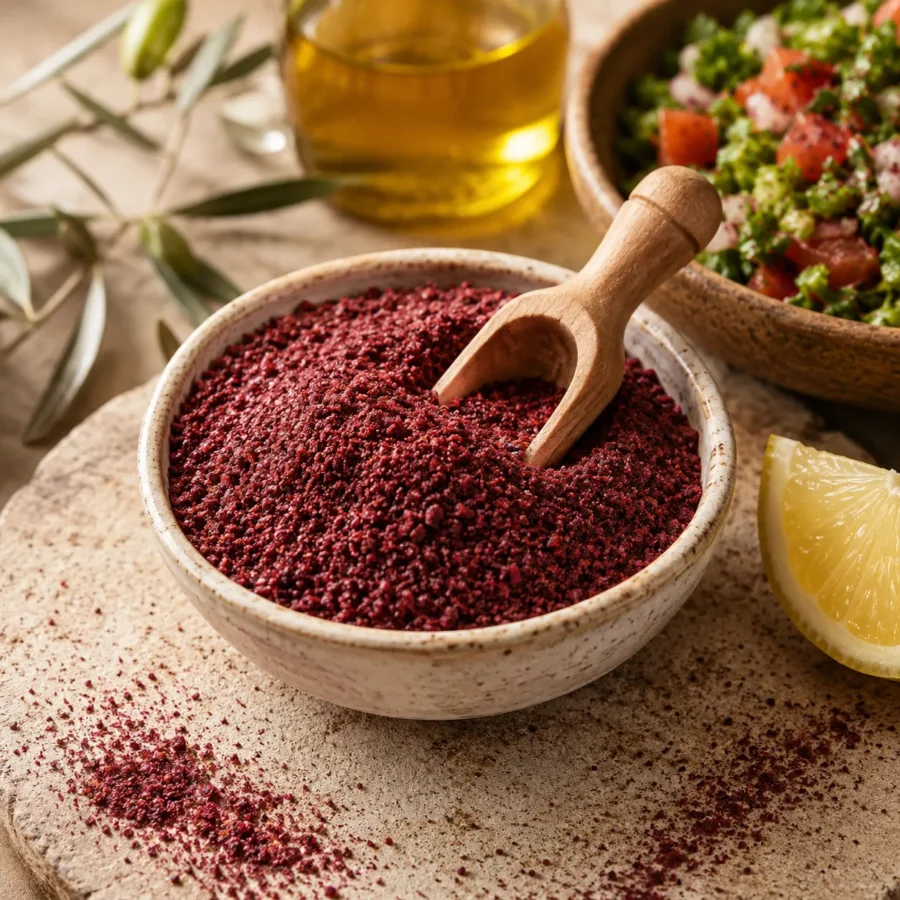
Sumac is a spice produced from the dried berries of the sumac shrub. After harvesting, the berries are carefully dried and ground into a rich red powder known for its vibrant appearance and pleasantly tart flavor.
Unlike spices that add heat or sweetness, sumac contributes brightness and balance. Its flavor is often compared to citrus because of its refreshing tanginess, yet it possesses a unique depth that gives it a character entirely its own.
Key characteristics of authentic sumac include:
- Deep burgundy or dark red color
- Tangy and refreshing flavor profile
- Lightly fruity notes
- Fresh aroma
- Fine texture with natural variation
- Minimal additives or fillers
This combination of color, flavor, and versatility explains why sumac has remained a treasured ingredient throughout the Levant for centuries.
The History of Sumac in the Levant
Long before modern culinary trends introduced global audiences to Levantine ingredients, sumac was already deeply woven into everyday cooking across the region. Families relied on local herbs, spices, olive oil, grains, and seasonal produce, and sumac naturally became one of the defining flavors of traditional cuisine.
Throughout generations, it has been used to season meals, enhance simple ingredients, and bring brightness to dishes without overpowering them. Its widespread use reflects not only its flavor but also its connection to local food traditions and hospitality.
Today, despite changing food trends and international influences, sumac remains one of the most recognizable ingredients in Levantine cooking and continues to appear in both traditional and contemporary recipes.
What Does Sumac Taste Like?
One of the most common questions people ask is: What does sumac taste like?
Sumac delivers a bright, tangy flavor that adds freshness and complexity to food. While many compare it to lemon because of its tart character, sumac offers a more rounded and earthy profile.
Its flavor can best be described as:
- Bright and tangy
- Lightly fruity
- Refreshing rather than sharp
- Earthy and balanced
- Complex yet versatile
This unique flavor profile allows sumac to complement a wide range of foods while adding a distinctive Levantine character.
Why Is Sumac So Important in Levantine Cuisine?
Few spices are as closely associated with Levantine cooking as sumac. Its ability to enhance ingredients without dominating them makes it exceptionally versatile.
Across the Levant, sumac is used to:
- Add brightness to salads
- Enhance traditional spice blends
- Complement olive oil-based dishes
- Season grilled foods
- Bring balance to rich ingredients
- Add visual appeal through its deep red color
Its role extends beyond flavor alone. For many families, the aroma and appearance of sumac evoke memories of shared meals, gatherings, and traditional recipes passed down through generations.
Traditional Dishes That Use Sumac
Fattoush
Perhaps the most famous salad associated with sumac, fattoush combines fresh vegetables, herbs, and toasted bread. Sumac provides the characteristic tangy flavor that helps define the dish.
Musakhan
Musakhan is one of the Levant’s most iconic dishes. Traditionally prepared with onions, olive oil, bread, and generous amounts of sumac, it showcases the spice’s ability to create depth and balance.
Zaatar Blends
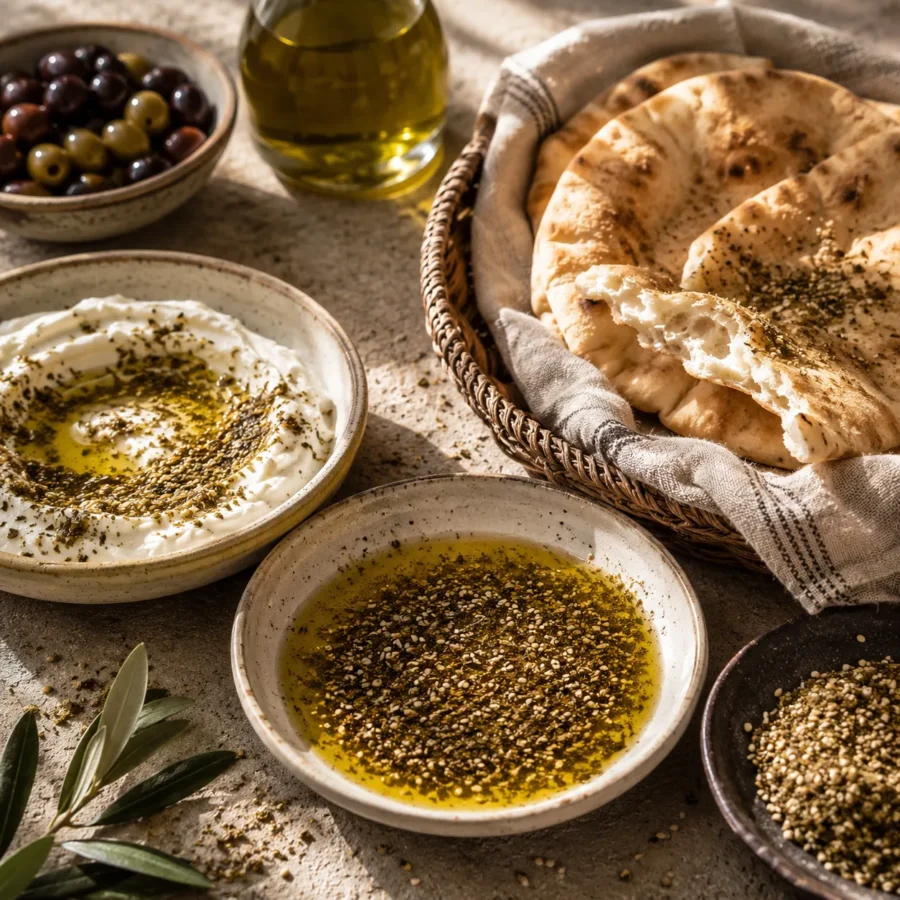
Many traditional zaatar blends include sumac as an essential ingredient. Its tangy notes help create the distinctive flavor profile that has made zaatar beloved throughout the region.
Grilled Meats and Vegetables
Sumac is often sprinkled over grilled dishes just before serving, adding brightness and visual contrast.
Onion Salads
A simple combination of onions and sumac is commonly served alongside grilled foods and traditional meals throughout the Levant.
How Sumac Is Used in Modern Cooking
While sumac remains rooted in tradition, modern cooks have embraced its versatility in new ways.
Today, sumac frequently appears in:
- Salad dressings
- Roasted vegetables
- Rice dishes
- Grain bowls
- Dips and spreads
- Flatbreads
- Marinades
- Seasoning blends
Its ability to add color and brightness without overwhelming other ingredients makes it particularly appealing for contemporary cooking.
How To Choose Quality Sumac
Not all sumac offers the same quality. The best products are known for their vibrant appearance, fresh aroma, and balanced flavor.
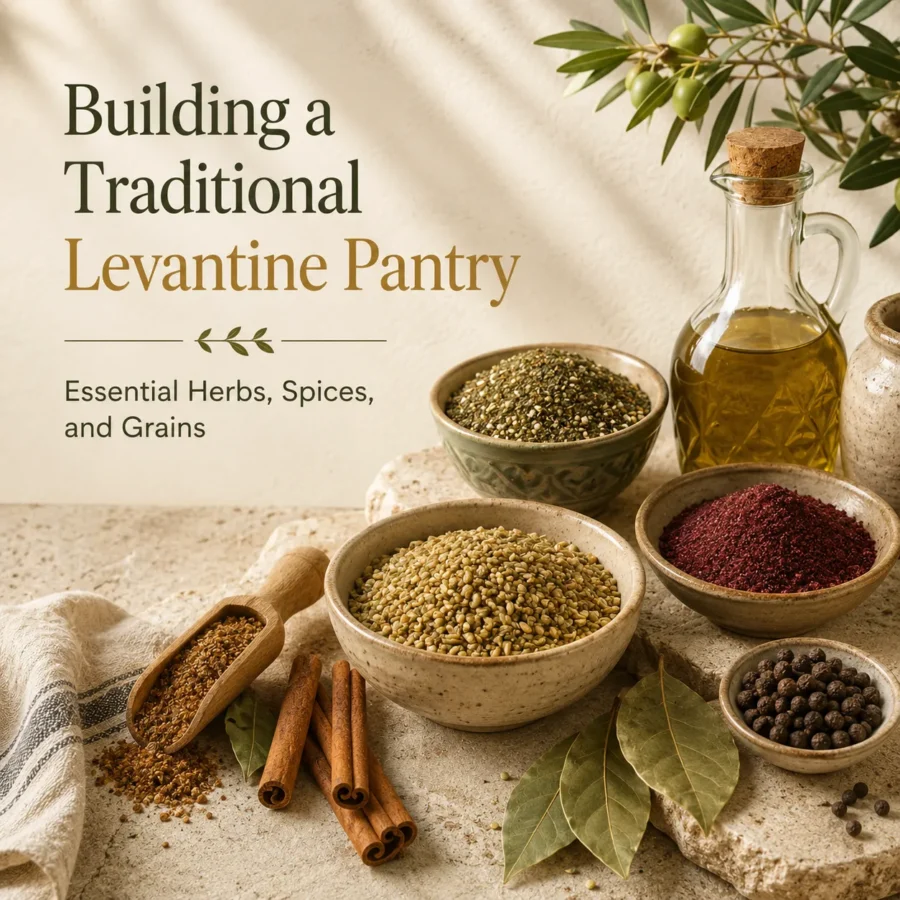
When selecting sumac, look for:
- A rich dark red or burgundy color
- A fresh and pleasant aroma
- A tangy flavor that remains vibrant
- Clear sourcing information
- Minimal added ingredients
Low-quality products often appear dull, faded, or overly brown and may lack the freshness associated with authentic Levantine sumac.
How To Store Sumac Properly
Proper storage helps maintain both flavor and color.
- Keep in an airtight container
- Store in a cool, dry location
- Avoid direct sunlight
- Protect from excess humidity
- Keep away from strong odors
When stored correctly, sumac retains its vibrant appearance and distinctive flavor for an extended period.
Authentic Jordanian Sumac
Jordan has a long tradition of using sumac in everyday cooking. From family kitchens to festive gatherings, it remains one of the region’s most valued pantry ingredients.
If you’re looking to experience the authentic character of this traditional spice, explore our Authentic Jordanian Sumac 350g. Carefully selected for its vibrant color and distinctive flavor, it reflects the culinary heritage that has made sumac a cornerstone of Levantine cuisine.
Frequently Asked Questions
What is sumac spice made from?
Sumac is made from dried and ground berries harvested from the sumac shrub.
What does sumac taste like?
Sumac offers a bright, tangy flavor with lightly fruity and earthy notes.
How is sumac used in cooking?
It is commonly used in salads, spice blends, grilled dishes, rice preparations, and traditional Levantine recipes.
Is sumac commonly used in Levantine cuisine?
Yes. Sumac is one of the most widely used spices throughout the Levant and appears in numerous traditional dishes.
How should sumac be stored?
Store it in an airtight container in a cool, dry place away from direct sunlight and moisture.
Final Thoughts
With its deep red color, refreshing tangy flavor, and centuries of culinary heritage, sumac remains one of the defining ingredients of Levantine cuisine. Whether incorporated into traditional recipes or modern dishes, it continues to bring brightness, balance, and authentic regional character to everyday cooking. For anyone interested in exploring the flavors of the Levant, sumac is an essential spice worthy of a permanent place in the pantry.