DARLEVANT Journal
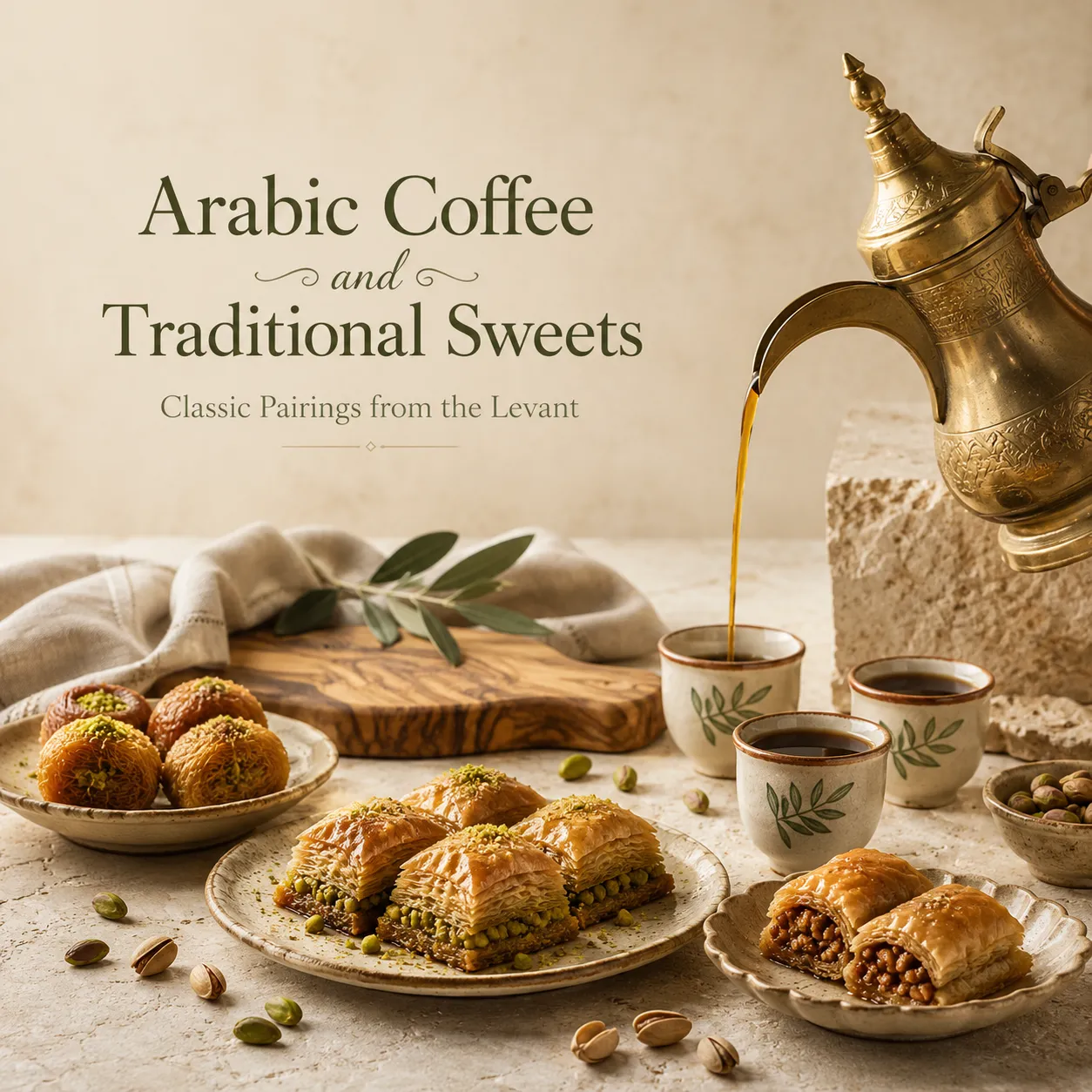
Arabic Coffee and Traditional Sweets: Classic Pairings from the Levant
Arabic Coffee and Traditional Sweets: Classic Pairings from the Levant
Across the Levant, hospitality begins long before a meal is served. A warm welcome is often accompanied by freshly prepared Arabic coffee and a carefully selected assortment of traditional sweets.
Whether shared during family gatherings, offered to guests, or enjoyed during special celebrations, the pairing of coffee and desserts reflects one of the region’s most enduring cultural traditions.
From delicate pistachio pastries to walnut-filled desserts and mixed sweet platters, these combinations continue to connect generations through familiar flavors and meaningful rituals.
The Importance of Hospitality in Levantine Culture
Hospitality has always been central to life throughout Jordan, Palestine, Syria, and Lebanon.
Welcoming guests with coffee and sweets is more than a social custom. It is a gesture of generosity, respect, and connection.
Homes often keep a selection of traditional desserts ready for unexpected visitors, family gatherings, and festive occasions.
- Family visits
- Religious holidays
- Weddings and celebrations
- Seasonal gatherings
- Community events
These traditions continue to shape everyday life across the Levant.
What Makes Arabic Coffee Unique?
Arabic coffee is known for its light body, aromatic profile, and cultural significance.
Unlike darker roasted coffee styles, traditional Arabic coffee often highlights subtle flavors and fragrant spices.
It is typically served in small cups, encouraging conversation and shared moments.
Because of its balanced profile, Arabic coffee pairs especially well with traditional Levantine desserts.
Why Coffee and Sweets Work So Well Together
The slight bitterness of coffee creates balance alongside the delicate sweetness of traditional pastries.
This contrast enhances both elements while allowing the aromas of nuts, pastry, and floral ingredients to stand out.
Successful pairings often focus on harmony rather than overwhelming sweetness.
Baklava and Arabic Coffee
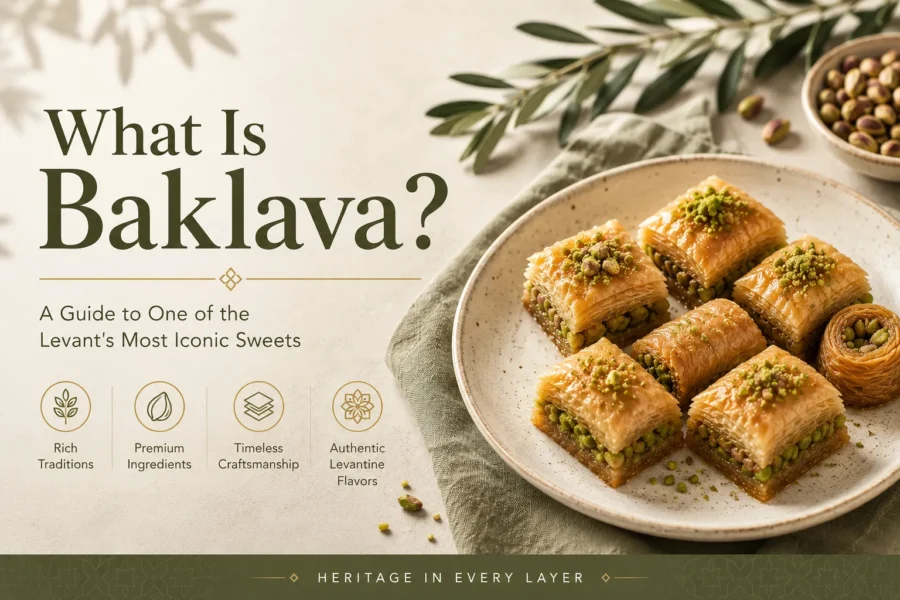
Baklava remains one of the most popular desserts served with Arabic coffee.
The combination of crisp pastry, premium nuts, and light syrup complements the aromatic qualities of freshly prepared coffee.
Different baklava styles offer unique experiences, from pistachio-filled varieties to walnut-based pastries.
Learn more in our guide to traditional baklava.
Ballorieh and Light Tea Pairings
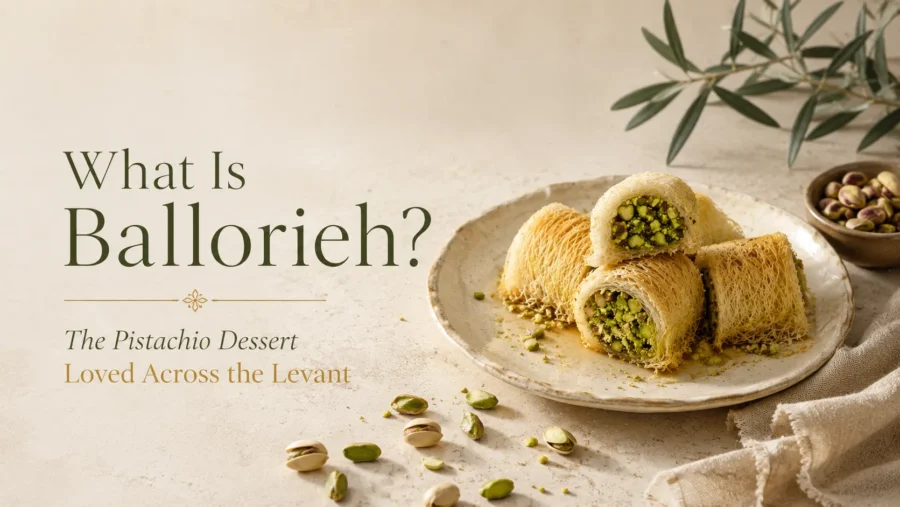
Ballorieh offers a delicate balance of crisp pastry strands and rich pistachio filling.
Although it pairs beautifully with Arabic coffee, many families also enjoy it with lightly brewed tea.
Its elegant presentation makes it especially popular during celebrations and special gatherings.
Discover more in our complete guide to ballorieh.
Walnut Sweets and Herbal Infusions
Walnut-based desserts provide a richer flavor profile that pairs beautifully with both coffee and herbal infusions.
Chamomile and other traditional herbal beverages offer a gentle contrast to the richness of walnut pastries.
- Walnut pastries with chamomile tea
- Baklava with Arabic coffee
- Ballorieh with black tea
- Mixed sweet platters with herbal infusions
Creating a Traditional Dessert Platter
Many Levantine families prepare dessert platters that include several different sweets.
Combining textures and flavors creates a more memorable experience for guests.
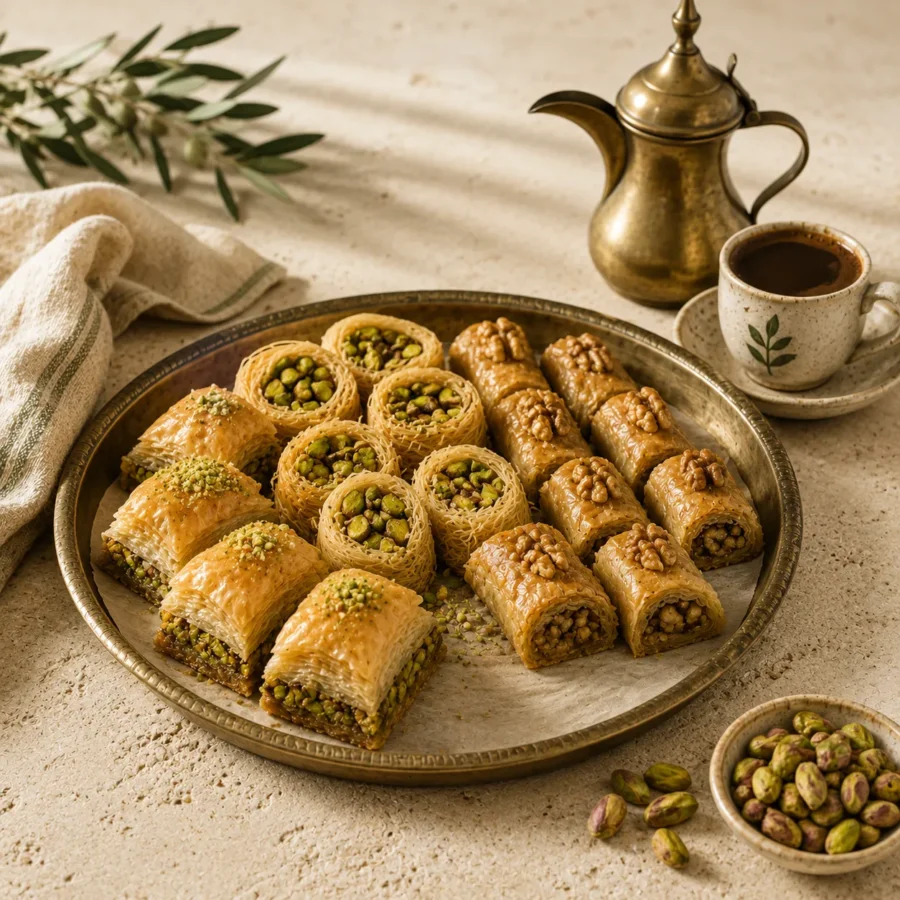
A traditional platter may include:
- Pistachio baklava
- Ballorieh
- Walnut pastries
- Assorted Arabic sweets
Served alongside Arabic coffee, these desserts create an atmosphere of warmth and generosity.
The Role of Sweets During Celebrations
Traditional desserts play an important role during weddings, holidays, and family milestones.
Sharing sweets symbolizes joy, appreciation, and togetherness.
Many recipes have been passed down through generations, preserving culinary traditions and regional identities.
How to Serve Traditional Sweets
- Serve pastries at room temperature.
- Use small serving plates to encourage sharing.
- Offer a variety of textures and fillings.
- Prepare coffee shortly before serving.
- Use simple ceramics and natural presentation styles.
Thoughtful presentation helps create the welcoming atmosphere associated with Levantine hospitality.
Related Articles
- Traditional Arabic Sweets of the Levant: A Guide to Timeless Desserts
- What Is Baklava? A Guide to One of the Levant’s Most Iconic Sweets
- What Is Ballorieh? The Pistachio Dessert Loved Across the Levant
- Chamomile Traditions Across the Levant: A Timeless Herbal Ritual
Related DARLEVANT Products
Explore traditional sweets inspired by Levantine hospitality and crafted for meaningful gatherings.
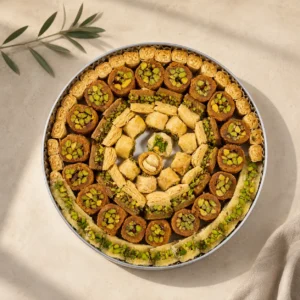
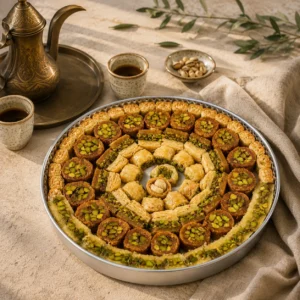
Habibah Mumtaz Assorted Arabic Sweets 700g
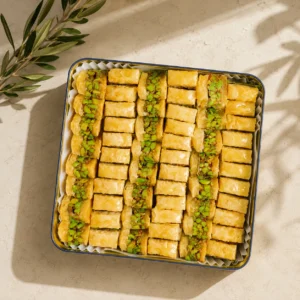
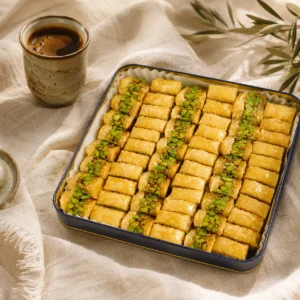
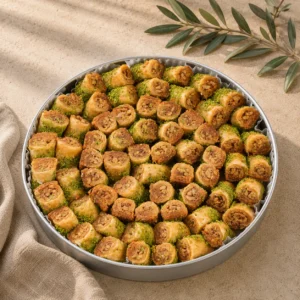
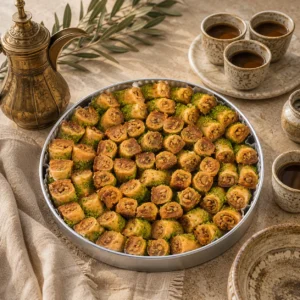
Habibah Pistachio Baklava Fingers 700g
Habibah Pistachio Baklava Fingers 700g are traditional finger-shaped baklava pastries filled with pistachios and crafted for a crisp, rich, and authentic Levantine sweets experience.
- Premium pistachio-filled baklava
- Golden flaky pastry layers
- Traditional Levantine sweet
- Perfect with Arabic coffee or tea
- Ideal for hospitality, gifting, and celebrations
Habibah Walnut Fingers 700g
Habibah Walnut Fingers 700g are traditional Levantine rolled pastries filled with walnuts and lightly sweetened for a crisp, nutty Arabic sweets experience.
- Classic walnut-filled Arabic sweets
- Crisp rolled pastry with warm nutty character
- Ideal with Arabic coffee or tea
- Suitable for hospitality, gifting, and family gatherings
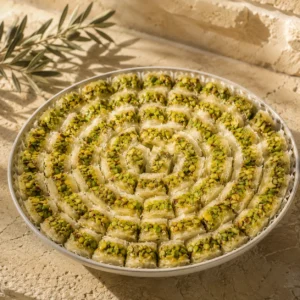
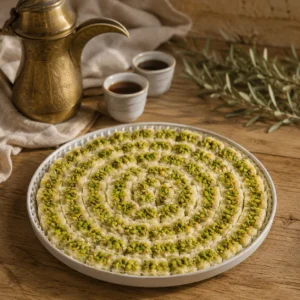
White Ballorieh with Pistachios 500g
White Ballorieh with Pistachios is a refined Levantine pastry featuring delicate layers wrapped around premium pistachios for a rich, elegant dessert experience.
- Premium pistachio filling.
- Delicate crisp pastry layers.
- Balanced sweetness.
- Perfect for gifting and hospitality.
- Traditional Levantine dessert.
- Net Weight: 500g.
Frequently Asked Questions
What desserts are traditionally served with Arabic coffee?
Baklava, ballorieh, walnut pastries, and assorted Arabic sweets are among the most popular choices.
Is Arabic coffee always served during celebrations?
Arabic coffee is commonly served during holidays, weddings, family gatherings, and everyday visits with guests.
What drinks pair well with traditional Levantine desserts?
Arabic coffee, black tea, and herbal infusions complement traditional pastries particularly well.
Why are sweets important in Levantine hospitality?
Offering sweets reflects generosity, appreciation, and the importance of welcoming guests warmly.
Final Thoughts
The pairing of Arabic coffee and traditional sweets represents one of the Levant’s most enduring hospitality traditions.
Whether shared during celebrations or enjoyed during everyday visits with family and friends, these familiar combinations continue to bring people together.
Through carefully prepared desserts and thoughtfully served coffee, generations continue to preserve the warmth and generosity that define Levantine culture.