DARLEVANT Journal
How Arabic Hospitality Shapes Levantine Food Culture
How Arabic Hospitality Shapes Levantine Food Culture
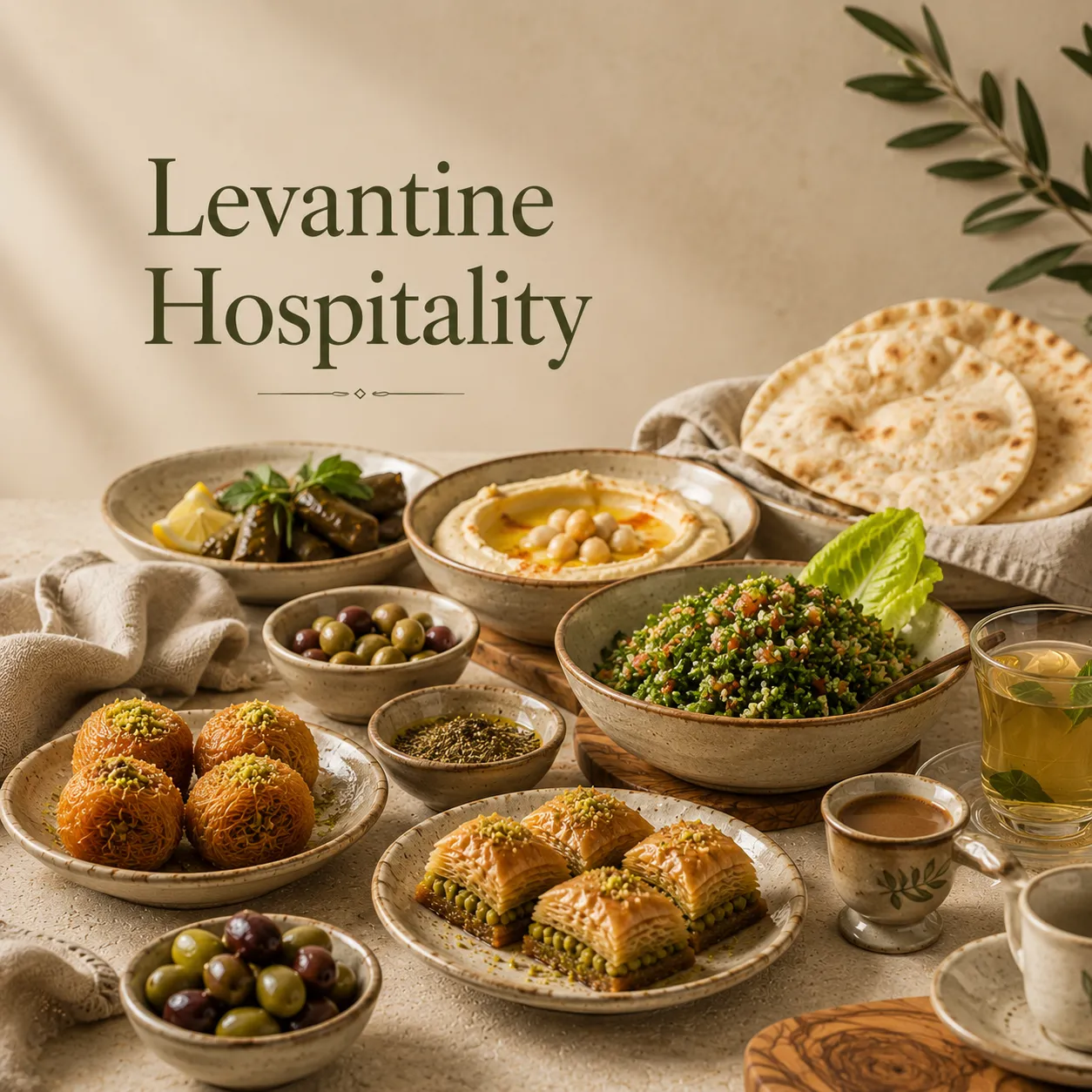
Across the Levant, food has always represented far more than nourishment. Meals create opportunities to strengthen relationships, preserve traditions, and express generosity through carefully prepared dishes and meaningful rituals.
From Jordan and Palestine to Syria and Lebanon, hospitality remains one of the defining characteristics of everyday life. Whether welcoming neighbors, hosting relatives, or gathering for celebrations, food plays a central role in creating memorable experiences.
Visitors are rarely offered a single item. Instead, hospitality is often expressed through an abundance of flavors, shared dishes, fragrant beverages, and traditional sweets prepared with care.
These customs continue to shape Levantine food culture today, influencing everything from family breakfasts to holiday celebrations.
What Does Hospitality Mean in the Levant?
Hospitality in the Levant reflects values that extend beyond food itself.
Welcoming guests warmly is often viewed as an expression of respect, generosity, and community.
Offering food and beverages is a way to strengthen relationships and create connections between families, friends, and neighbors.
Even unplanned visits are often met with a table prepared for sharing.
This spirit of generosity continues to define the region’s approach to food and gatherings.
The Tradition of Shared Meals
Many Levantine dishes are designed to bring people together.
Large serving platters and shared dishes encourage conversation and create a sense of connection around the table.
Meals are often served family-style rather than as individual portions.
Common occasions for shared meals include:
- Weekend family gatherings
- Religious holidays
- Celebrations and milestones
- Community events
- Visits with relatives and friends
These traditions reinforce the idea that food is best enjoyed together.
Breakfast Rituals Across the Levant
Breakfast remains one of the most important daily rituals throughout the region.
Traditional breakfast tables often feature a variety of simple ingredients that allow everyone to create their own combinations.
- Zaatar blends
- Olive oil
- Fresh bread
- Labneh
- Olives and vegetables
- Herbal infusions
Rather than rushing through a meal, families often treat breakfast as an opportunity to connect before beginning the day.
Explore our article on How to Enjoy Zaatar the Traditional Levantine Way.
Ancient Grains and Traditional Dishes
Many of the Levant’s most beloved dishes rely on ingredients that have been enjoyed for generations.
Ancient grains continue to play an important role in preserving culinary heritage.
Freekeh remains one of the region’s most celebrated grains because of its distinctive smoky flavor and versatility.
These ingredients connect modern kitchens with centuries of agricultural traditions.
Learn more in our Freekeh Explained: The Ancient Grain of the Levant article.
Herbs and Spices as Cultural Signatures
Herbs and spices contribute depth, identity, and regional character to Levantine cuisine.
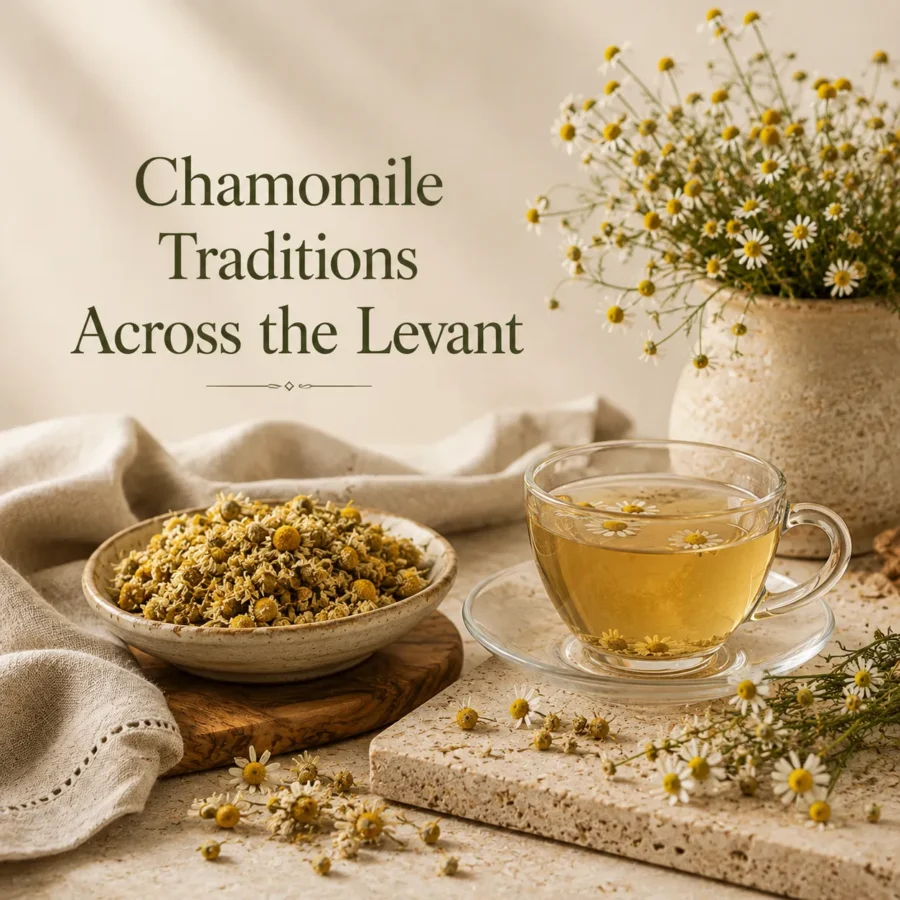
Ingredients such as zaatar, sumac, bay leaves, chamomile, and traditional spice blends help define the flavors associated with the region.
Many families maintain their own preferences and recipes, passing them from one generation to the next.
These ingredients represent more than flavor. They reflect local traditions, family histories, and cultural identity.
Arabic Coffee and the Art of Welcoming Guests
Offering coffee remains one of the most recognizable expressions of Levantine hospitality.
Arabic coffee is often served alongside traditional sweets to create a welcoming atmosphere.
Common pairings include:
- Baklava
- Ballorieh
- Walnut pastries
- Assorted Arabic sweets
These combinations encourage conversation and help transform ordinary visits into memorable experiences.
Explore our article on Arabic Coffee and Traditional Sweets: Classic Pairings from the Levant.
The Role of Fragrance in Hospitality
Hospitality extends beyond food and beverages.
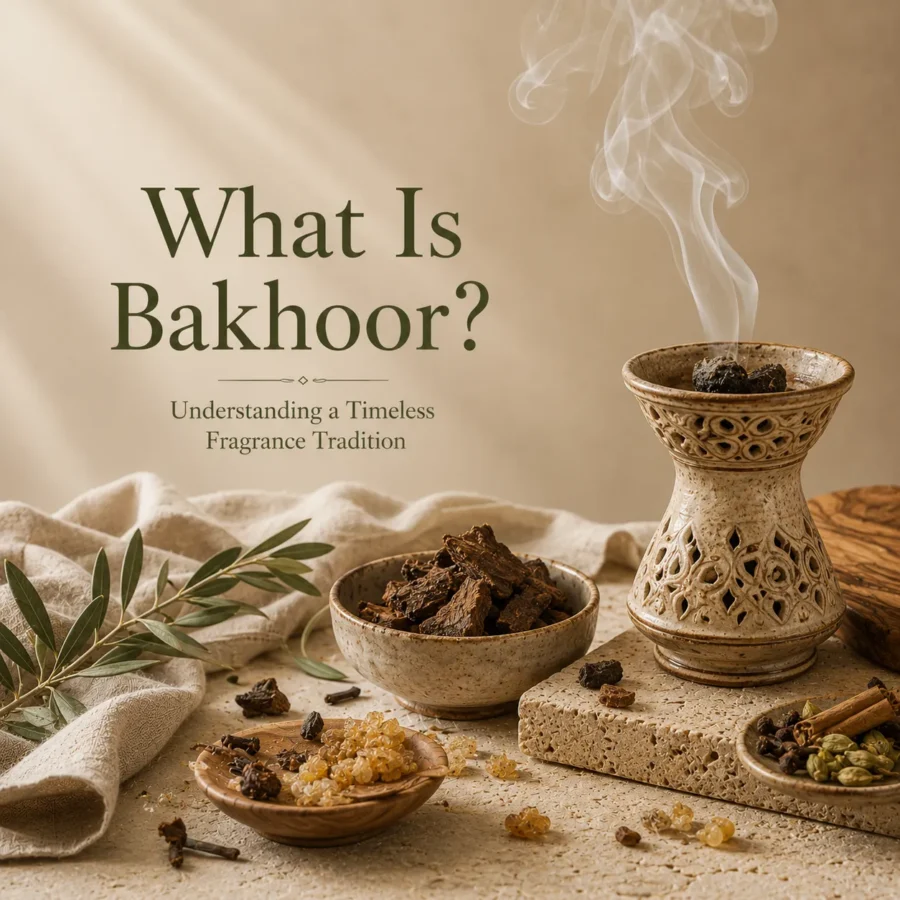
Many homes prepare bakhoor before guests arrive to create a warm and inviting atmosphere.
Fragrance traditions work alongside culinary rituals to create memorable experiences that engage multiple senses.
Learn more in our What Is Bakhoor? Understanding a Timeless Fragrance Tradition guide.
How Traditional Foods Preserve Cultural Identity
Recipes often carry stories that connect people to their families and communities.
Preparing traditional dishes helps preserve culinary knowledge and regional heritage.
Passing recipes from one generation to the next ensures that traditions remain part of everyday life.
Food becomes a way to celebrate identity while strengthening connections between generations.
Bringing Levantine Hospitality into Modern Life
Although lifestyles continue to evolve, the principles of Levantine hospitality remain remarkably consistent.
- Prepare simple meals to share.
- Serve guests with generosity.
- Create welcoming spaces.
- Celebrate traditional ingredients.
- Preserve family recipes.
These traditions continue to inspire meaningful moments around the table and remind us that hospitality is ultimately about connection.
Related Articles
- What Is Ballorieh? The Pistachio Dessert Loved Across the Levant
- Arabic Coffee and Traditional Sweets: Classic Pairings from the Levant
- Chamomile Traditions Across the Levant: A Timeless Herbal Ritual
- What Is Bakhoor? Understanding a Timeless Fragrance Tradition
Related DARLEVANT Products
Explore traditional ingredients inspired by generations of Levantine hospitality and culinary heritage.
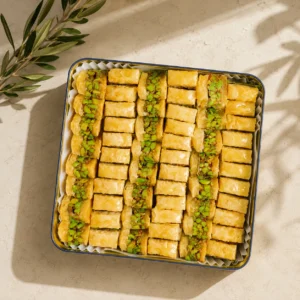
Habibah Pistachio Baklava Fingers 700g
Habibah Pistachio Baklava Fingers 700g are traditional finger-shaped baklava pastries filled with pistachios and crafted for a crisp, rich, and authentic Levantine sweets experience.
- Premium pistachio-filled baklava
- Golden flaky pastry layers
- Traditional Levantine sweet
- Perfect with Arabic coffee or tea
- Ideal for hospitality, gifting, and celebrations
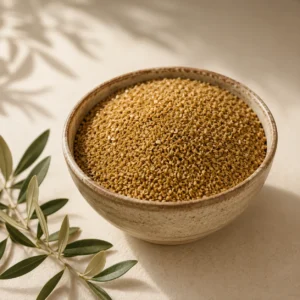
Palestinian Fine Freekeh 750g
Grown in the fields of Jenin and Tubas, harvested green, and flame-roasted the traditional way, this fine freekeh cooks quickly into soups, stuffings, and grain dishes with genuine smoky depth.
- Traditional open-flame roasted green wheat, not a shortcut process
- Fine grind cooks faster than coarse freekeh
- More protein and fiber than rice, fewer calories than quinoa
- A real Ramadan soup and stuffing staple, not a health-food trend
- 100% roasted green wheat, no additives
- Generous 750g family-size pack
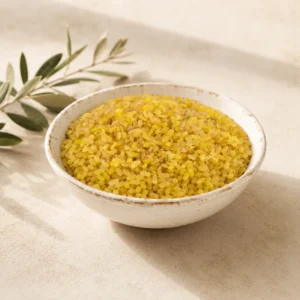
Premium Coarse Bulgur Wheat 250g
Premium Coarse Bulgur Wheat 250g is traditionally produced from carefully selected wheat to deliver the hearty texture and authentic character that have made coarse bulgur a staple of Levantine cuisine for generations. Perfect for pilafs, stuffed vegetables, hearty salads, and traditional family recipes.
- Premium coarse bulgur made from carefully selected wheat.
- Traditional Levantine pantry staple.
- Hearty texture ideal for pilafs and stuffed vegetables.
- Excellent alternative to rice in everyday cooking.
- Perfect for authentic Middle Eastern and Mediterranean recipes.
- Carefully selected for consistent quality and authentic flavor.
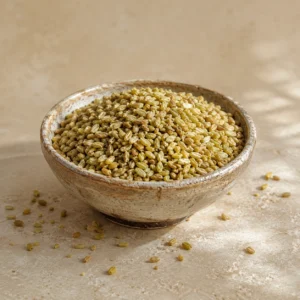
Traditional Freekeh 750g
Traditional freekeh is an authentic Levantine heritage grain made from young green wheat that is carefully roasted and rubbed using time-honored methods. With its distinctive nutty flavor, gentle smoky aroma, and satisfying texture, it has remained a cherished ingredient for generations in pilafs, soups, grain bowls, and traditional family recipes.
- 100% roasted green wheat (traditional freekeh).
- Authentic ancient grain from the Levant.
- Naturally nutty flavor with a delicate smoky aroma.
- Perfect for pilafs, soups, grain bowls, and side dishes.
- Prepared using the traditional roasting process.
- Carefully selected for authentic flavor and consistent quality.
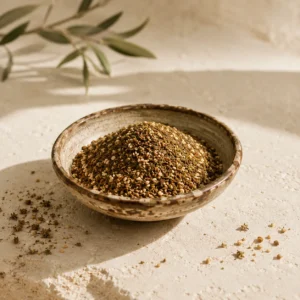
Traditional Jordanian Za’atar Blend 350g
Traditional Jordanian Za'atar Blend 350g is an authentic Levantine seasoning crafted from wild dried thyme, premium sumac, toasted sesame seeds, and carefully selected spices, delivering the rich herbal aroma and balanced flavor that have defined Jordanian kitchens for generations.
- Authentic traditional Jordanian za'atar blend.
- Made with wild dried thyme, premium sumac, and toasted sesame seeds.
- Rich herbal, tangy, and nutty flavor profile.
- Perfect for bread, olive oil, manakish, salads, and vegetables.
- Inspired by authentic Levantine culinary heritage.
- Carefully packed for lasting freshness and aroma.
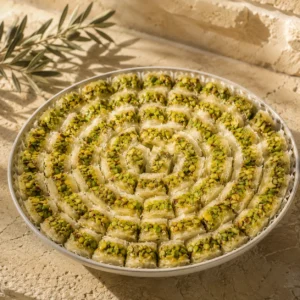
White Ballorieh with Pistachios 500g
White Ballorieh with Pistachios is a refined Levantine pastry featuring delicate layers wrapped around premium pistachios for a rich, elegant dessert experience.
- Premium pistachio filling.
- Delicate crisp pastry layers.
- Balanced sweetness.
- Perfect for gifting and hospitality.
- Traditional Levantine dessert.
- Net Weight: 500g.
Frequently Asked Questions
Why is hospitality important in Levantine culture?
Hospitality reflects generosity, respect, and the importance of building strong community relationships.
What foods are commonly served to guests?
Zaatar, fresh bread, Arabic coffee, herbal infusions, and traditional sweets are commonly offered to visitors.
How does food preserve cultural heritage?
Traditional recipes passed down through generations help maintain connections to family traditions and regional identity.
What role does Arabic coffee play in hospitality?
Arabic coffee is often served as a gesture of welcome and appreciation.
Final Thoughts
Levantine food culture is shaped by the belief that meals are meant to be shared.
Through generous hospitality, traditional ingredients, and meaningful rituals, families continue to preserve values that have defined the region for generations.
Whether gathering around a breakfast table, preparing coffee for guests, or sharing traditional sweets, hospitality remains at the heart of everyday life across the Levant.