DARLEVANT Journal
Levantine Table Spices: Essential Seasonings for Everyday Cooking
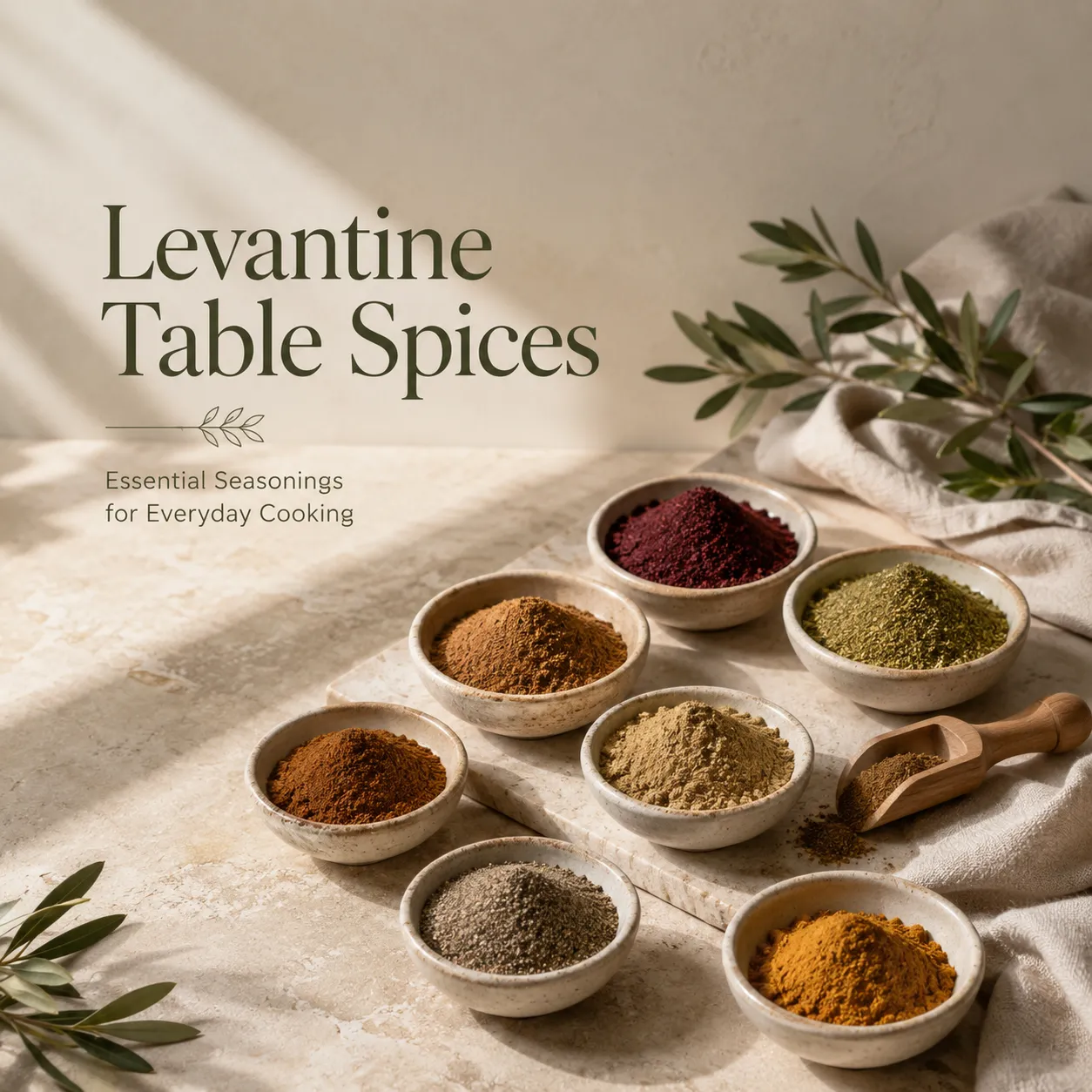
Levantine Table Spices: Essential Seasonings for Everyday Cooking
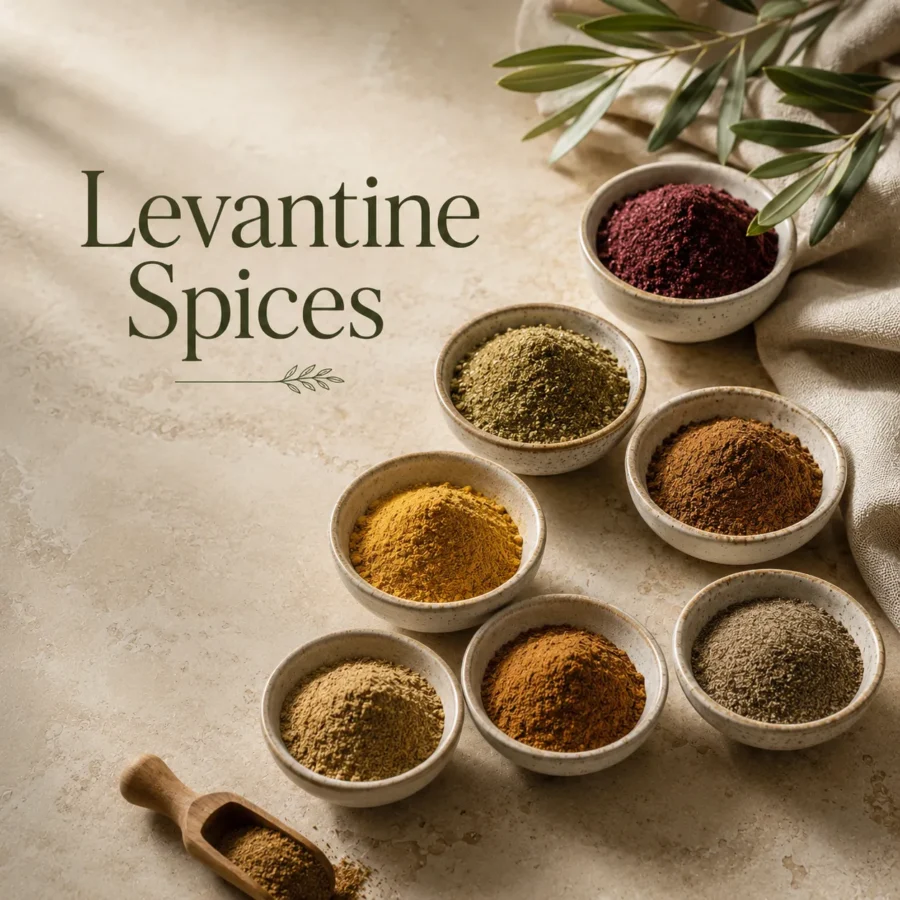
Levantine table spices are more than ingredients kept in a kitchen cabinet. They are part of the everyday rhythm of cooking, serving, sharing, and welcoming guests across Jordan, Palestine, Syria, and Lebanon.
From a small bowl of zaatar served with olive oil and warm bread to a deep red sprinkle of sumac over onions, salads, or grilled dishes, these spices help define the character of Levantine food. They bring brightness, warmth, aroma, and balance to simple meals without making the food feel heavy or overcomplicated.
In many Levantine homes, the table is not complete without a few essential seasonings nearby. Some are used during cooking, while others are added at the table to finish a dish, enhance texture, or invite guests to season food according to taste.
This guide explores the essential Levantine table spices, how they are traditionally used, how they work together, and how to build a simple but meaningful spice collection for everyday cooking.
What Are Levantine Table Spices?
Levantine table spices are the seasonings and blends most commonly used in daily meals across the Levant. They may appear during breakfast, lunch, dinner, or hospitality gatherings.
Unlike complex spice cabinets filled with dozens of rarely used ingredients, a traditional Levantine spice collection is practical and purposeful. Each spice has a clear role.
- Zaatar brings herbal, nutty, and tangy character.
- Sumac adds bright acidity and deep red color.
- Seven spice gives warmth and depth to cooked dishes.
- Cumin adds earthy comfort to legumes and soups.
- Black pepper provides gentle heat and structure.
- Bay leaves create subtle aroma in slow-cooked meals.
Together, these ingredients help create the familiar flavor foundation of Levantine cuisine.
Why Table Spices Matter in Levantine Cooking
Levantine cooking is known for balance. Spices are not used simply to make food strong or intense. They are used to support natural ingredients such as grains, bread, olive oil, vegetables, legumes, meats, and herbs.
A spoonful of the right spice can transform a simple dish. Sumac can brighten onions. Zaatar can bring life to bread and olive oil. Seven spice can turn rice or stew into something warm and deeply familiar.
These spices also create continuity between generations. Many families use the same combinations again and again, not because they are complicated, but because they work.
Zaatar: The Everyday Table Blend
Zaatar is one of the most iconic Levantine table spices. It is commonly served with olive oil and bread, especially at breakfast or during casual gatherings.
A traditional zaatar blend usually combines dried herbs, sesame seeds, sumac, and regional seasonings. Its flavor is herbal, nutty, savory, and lightly tangy.
Zaatar can be used in many ways:
- Mixed with olive oil as a dip for bread
- Sprinkled over labneh or yogurt
- Added to manaqish and flatbreads
- Used on roasted vegetables
- Served as part of a traditional breakfast table
Because zaatar is so versatile, it is often one of the first ingredients to include when building a Levantine table spice collection.
Learn more in our guide: How to Enjoy Zaatar the Traditional Levantine Way.
Sumac: The Bright Red Finishing Spice
Sumac is another essential Levantine table spice. Known for its deep burgundy color and tangy flavor, sumac is often used as a finishing touch.
It is especially loved because it adds brightness without adding liquid. This makes it perfect for salads, onions, grilled dishes, and rice-based meals.
Common uses include:
- Sprinkling over sliced onions
- Adding to fattoush-style salads
- Finishing grilled chicken or meats
- Enhancing olive oil-based dishes
- Adding color and tang to traditional recipes
Sumac works beautifully with olive oil, bread, herbs, and vegetables. It is one of the simplest ways to make a dish feel more vibrant and distinctly Levantine.
Explore the full guide here: Sumac Spice Guide.
Seven Spice: Warmth for Everyday Cooking
Seven spice is usually used during cooking rather than sprinkled at the table, but it belongs in every Levantine spice collection because of how often it appears in traditional dishes.
The blend varies by region and family, but it often includes warm spices such as allspice, cinnamon, black pepper, cloves, cumin, coriander, nutmeg, or cardamom.
Seven spice is commonly used in:
- Rice dishes
- Stuffed vegetables
- Stews and soups
- Meat preparations
- Slow-cooked family meals
Its purpose is to add rounded warmth and depth. A good seven spice blend should feel balanced, not harsh or overpowering.
Cumin: Earthy Comfort for Legumes and Soups
Cumin is widely used in Levantine and Middle Eastern cooking because of its earthy, warm, and slightly nutty character.
It pairs especially well with lentils, beans, chickpeas, soups, roasted vegetables, and rice dishes.
Cumin is powerful, so it should be used thoughtfully. A small amount can make a simple dish feel complete, while too much can dominate the flavor.
Bay Leaves: Quiet Aroma for Slow Cooking
Bay leaves may not look dramatic, but they are important in traditional home cooking.
They are usually added to soups, broths, rice dishes, sauces, and slow-cooked meals, then removed before serving.
Their aroma is subtle, but they help create depth and comfort in cooked dishes. They work especially well with grains, legumes, chicken, lamb, onions, and warm spices.
Black Pepper and Allspice: Everyday Depth
Black pepper is familiar in many cuisines, but in Levantine cooking it often works alongside warmer spices and herbs.
Allspice is also important. Despite its name, it is a single spice with a warm flavor that suggests cinnamon, cloves, nutmeg, and pepper.
Both are useful in rice dishes, stews, meat preparations, and traditional spice blends.
How to Build a Levantine Table Spice Collection
If you are starting from the beginning, keep the collection simple and useful.
- Zaatar for bread, olive oil, labneh, and breakfast tables
- Sumac for salads, onions, grilled dishes, and finishing
- Seven spice for rice, stews, and cooked meals
- Cumin for soups, legumes, and vegetables
- Bay leaves for broths and slow cooking
- Black pepper and allspice for everyday depth
This small collection can support a wide range of Levantine meals without overwhelming the kitchen.
Related DARLEVANT Products
Explore traditional spices and blends selected for everyday Levantine cooking and refined table rituals.
Authentic Jordanian Sumac 350g
Crafted from carefully harvested sumac berries grown in the hills of Anjara, Jordan, this authentic ground sumac delivers a naturally vibrant tangy flavor without added citric acid. Deep in color, rich in character, and traditionally prepared, it brings the unmistakable brightness of Levantine cuisine to salads, musakhan, grilled meats, marinades, and everyday cooking.
- 100% pure ground sumac with no added citric acid.
- Harvested from the hills of Anjara, Jordan.
- Naturally tangy flavor with rich fruity depth.
- Perfect for musakhan, salads, marinades, grilled meats, and vegetables.
- Authentic Levantine ingredient with vibrant natural color.
- Carefully selected for freshness, purity, and consistent quality.
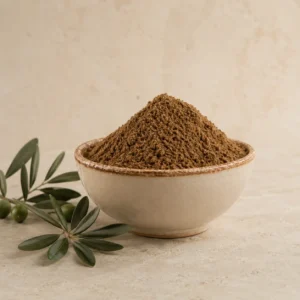
Levantine Seven Spice Blend 350g
Levantine Seven Spice Blend 350g is an authentic traditional baharat blend crafted to bring warmth, depth, and balanced aromatic flavor to everyday cooking. Finely ground for effortless use, it enhances meats, rice dishes, stews, soups, vegetables, and countless classic Levantine family recipes.
- Authentic traditional Levantine baharat blend.
- Warm, aromatic, and perfectly balanced flavor.
- Ideal for meats, rice dishes, stews, soups, and vegetables.
- Finely ground for effortless everyday cooking.
- Inspired by generations of Levantine culinary tradition.
- Carefully blended for freshness, consistency, and authentic flavor.
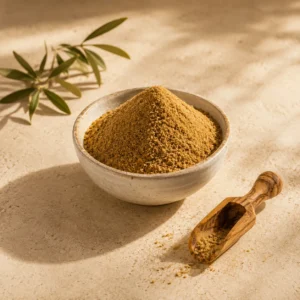
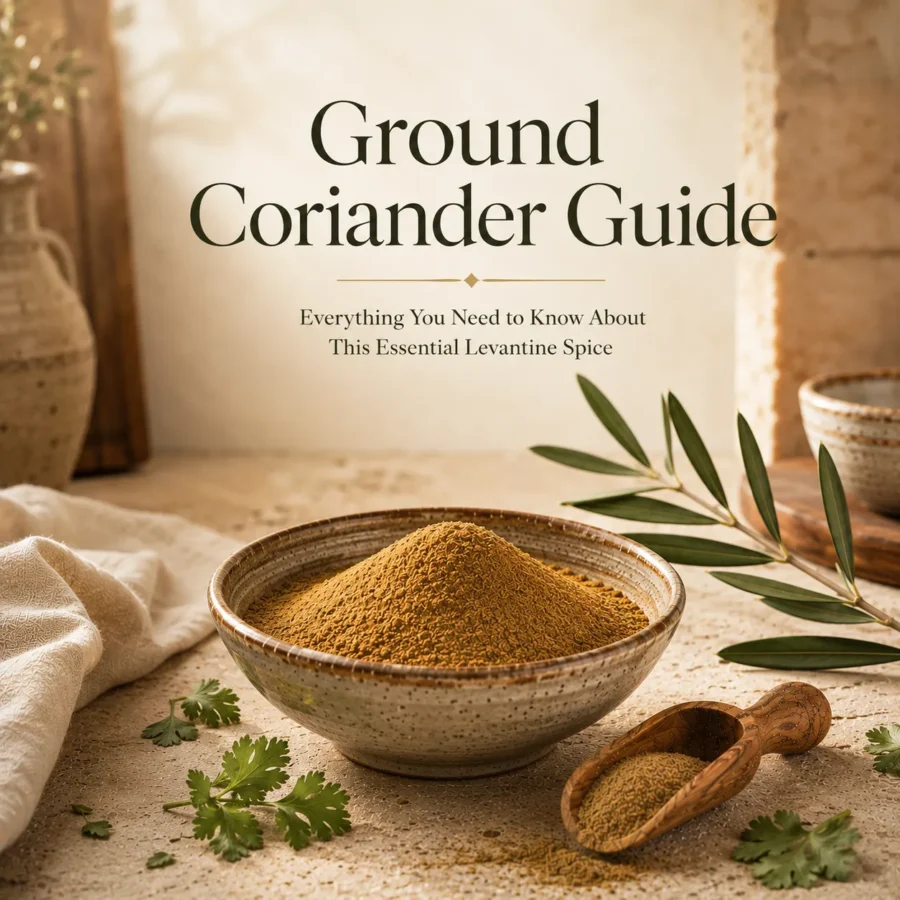
Premium Fine Ground Coriander 230g
Bring authentic Levantine cooking to your kitchen with DARLEVANT Premium Fine Ground Coriander 230g. Carefully selected and finely milled from premium coriander seeds, it delivers a warm citrusy aroma, delicate nutty notes, and beautifully balanced flavor that enhances traditional Middle Eastern recipes as well as everyday home cooking.
- Premium finely ground coriander with an exceptionally smooth texture.
- Warm, lightly citrusy, delicately nutty, and naturally balanced flavor.
- Perfect for authentic Levantine and Middle Eastern cuisine.
- Ideal for rice dishes, soups, marinades, spice blends, falafel, hummus, vegetables, poultry, seafood, and meat recipes.
- Evenly ground for consistent seasoning in every recipe.
- Selected for freshness, authentic aroma, and dependable everyday performance.
- 230g resealable pouch to help preserve flavor and natural fragrance.
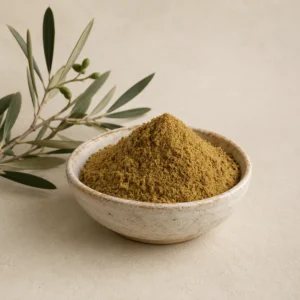
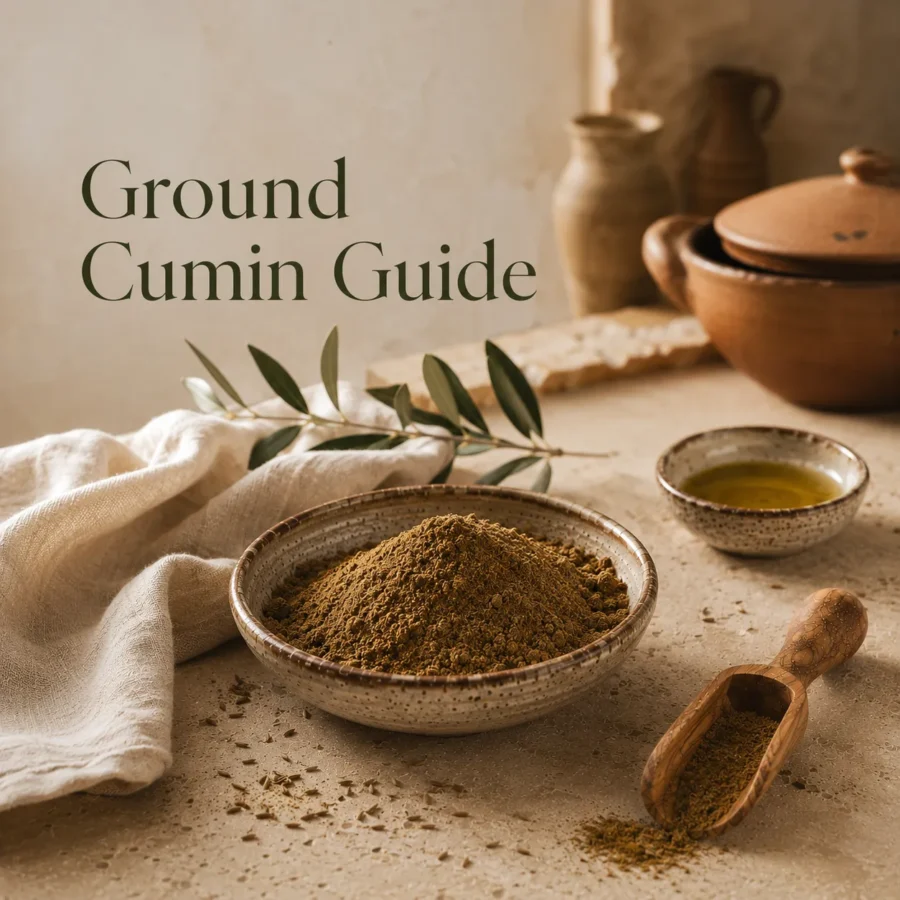
Premium Fine Ground Cumin 250g
Bring rich earthy aroma and authentic Levantine flavor to your favorite recipes with Premium Fine Ground Cumin 250g. Carefully milled from premium cumin seeds and known in Arabic as كمون, this finely ground spice blends effortlessly into soups, rice dishes, marinades, spice blends, falafel, hummus, grilled meats, and everyday home cooking.
- Premium finely ground cumin seeds.
- Warm earthy flavor with subtle nutty notes.
- Rich aromatic character.
- Perfect for falafel, hummus, rice dishes, soups, and marinades.
- Smooth texture for effortless blending into recipes.
- Carefully selected for exceptional quality and consistency.
How Levantine Table Spices Are Used with Olive Oil and Bread
Olive oil is the natural companion to many Levantine table spices.
Zaatar and olive oil are the most famous pairing, but sumac, herbs, and spice blends also work beautifully with breads, salads, and vegetables.
This is why the Levantine table often feels abundant even when the ingredients are simple. Bread, olive oil, zaatar, vegetables, and a few spices can create a complete experience of flavor, texture, and hospitality.
Table Spices and Hospitality
Hospitality is central to Levantine culture. Spices help shape the atmosphere of a shared table.
A guest may be offered coffee, sweets, bread, olive oil, zaatar, or a warm meal seasoned with familiar spices. These details show care without needing loud presentation.
Food becomes a way to welcome, connect, and remember.
Read more in How Arabic Hospitality Shapes Levantine Food Culture.
How to Store Table Spices
Spices should be protected from heat, light, air, and moisture.
- Store spices in airtight containers.
- Keep them away from direct sunlight.
- Avoid placing them beside the oven or stove.
- Use dry spoons when serving.
- Refresh spices when their aroma becomes weak.
Fresh aroma is one of the clearest signs of quality. If a spice no longer smells lively, it will not add much to the dish.
Frequently Asked Questions
What are the most common Levantine table spices?
Zaatar, sumac, seven spice, cumin, bay leaves, black pepper, and allspice are among the most common spices and blends used in everyday Levantine cooking.
Is zaatar considered a table spice?
Yes. Zaatar is one of the most important Levantine table spices because it is often served directly with olive oil and bread.
What spice gives Levantine food a tangy flavor?
Sumac is the spice most commonly used for tangy brightness in Levantine dishes.
What is the difference between table spices and cooking spices?
Table spices are often served or added near the table, while cooking spices are usually added during preparation. In Levantine cuisine, some ingredients, such as zaatar and sumac, can be used both ways.
How should Levantine spices be stored?
Store them in airtight containers in a cool, dry place away from heat, moisture, and direct sunlight.
Final Thoughts
Levantine table spices are essential because they make everyday food feel connected to place, memory, and hospitality.
They are simple ingredients with deep cultural meaning. Zaatar, sumac, seven spice, cumin, bay leaves, black pepper, and allspice each bring something different to the table.
Together, they create the warm, balanced, and generous flavor foundation that defines Levantine cooking.