DARLEVANT Journal
A Complete Guide to Levantine Spices: The Essential Flavors Behind Traditional Cooking
A Complete Guide to Levantine Spices: The Essential Flavors Behind Traditional Cooking
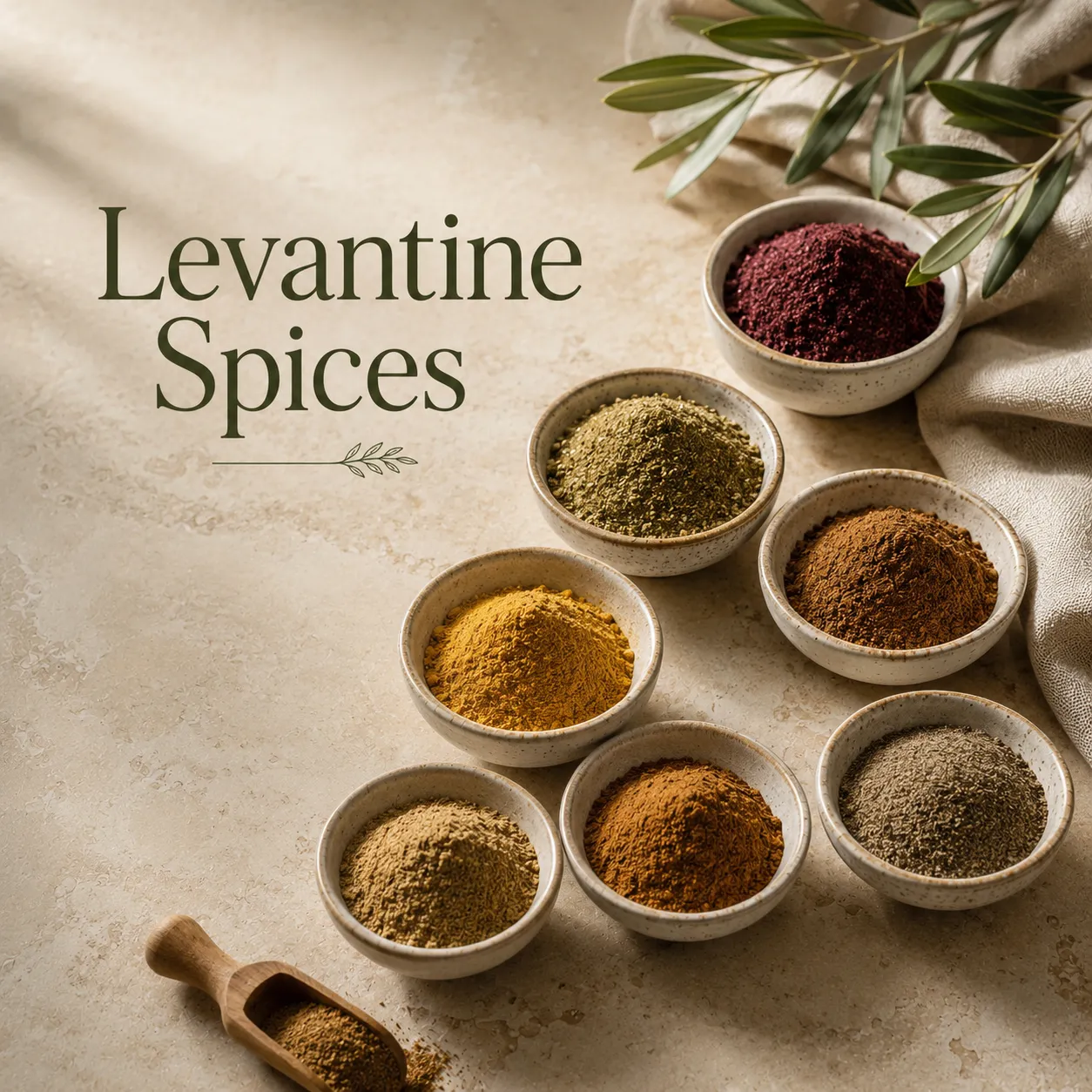
Levantine cuisine is built on balance. It is warm but not heavy, aromatic but not overwhelming, generous but never careless. Behind that balance is a thoughtful pantry of herbs, spices, grains, oils, and traditional blends that have shaped daily cooking across Jordan, Palestine, Syria, and Lebanon for generations.
Spices in the Levant are not used only to add heat or intensity. They are used to create depth, freshness, warmth, brightness, and identity. A small spoon of sumac can lift an onion salad with tangy color. A careful pinch of seven spice can give rice, stews, and roasted meats a rounded warmth. Zaatar mixed with olive oil can turn simple bread into one of the region’s most beloved everyday meals.
This guide explores the essential spices and herbs that define Levantine cooking, how they are traditionally used, how they work together, and how to build a refined pantry inspired by the food culture of the Levant.
What Makes Levantine Spices Different?
Levantine cooking is not about using the largest number of spices. It is about using the right spices with intention.
Many traditional dishes rely on a relatively small group of ingredients, but those ingredients are chosen carefully. They support the natural character of grains, vegetables, legumes, meats, breads, and olive oil rather than covering them.
The best Levantine spice combinations often feel layered and familiar. They may include earthy herbs, tangy dried berries, warm sweet spices, toasted seeds, and aromatic blends that bring comfort without excess.
Herbs, Spices, and Blends: Understanding the Difference
Before building a Levantine pantry, it helps to understand the difference between herbs, spices, and spice blends.
- Herbs usually come from the leafy parts of plants, such as thyme, mint, sage, and bay leaves.
- Spices often come from seeds, bark, roots, berries, or dried fruits, such as cumin, cinnamon, cardamom, cloves, coriander, and sumac.
- Spice blends combine several ingredients into one balanced seasoning, such as zaatar or seven spice.
Levantine cuisine uses all three. Some ingredients are served simply, while others are blended into traditional mixtures that become part of daily life.
Zaatar: The Everyday Blend of the Levant
Zaatar is one of the most recognizable flavors in Levantine cuisine. It is commonly made with dried thyme or related herbs, toasted sesame seeds, sumac, and regional spices.
Its flavor is herbal, nutty, tangy, and savory. This makes it incredibly versatile. It can be mixed with olive oil, sprinkled over bread, added to labneh, used on roasted vegetables, or served as part of a traditional breakfast table.
Zaatar is more than a seasoning. It is part of the rhythm of daily life. A small bowl of zaatar beside olive oil and fresh bread represents one of the simplest and most beloved expressions of Levantine hospitality.
For a deeper look at this tradition, explore our article How to Enjoy Zaatar the Traditional Levantine Way.
Sumac: The Deep Red Spice with Bright Tang
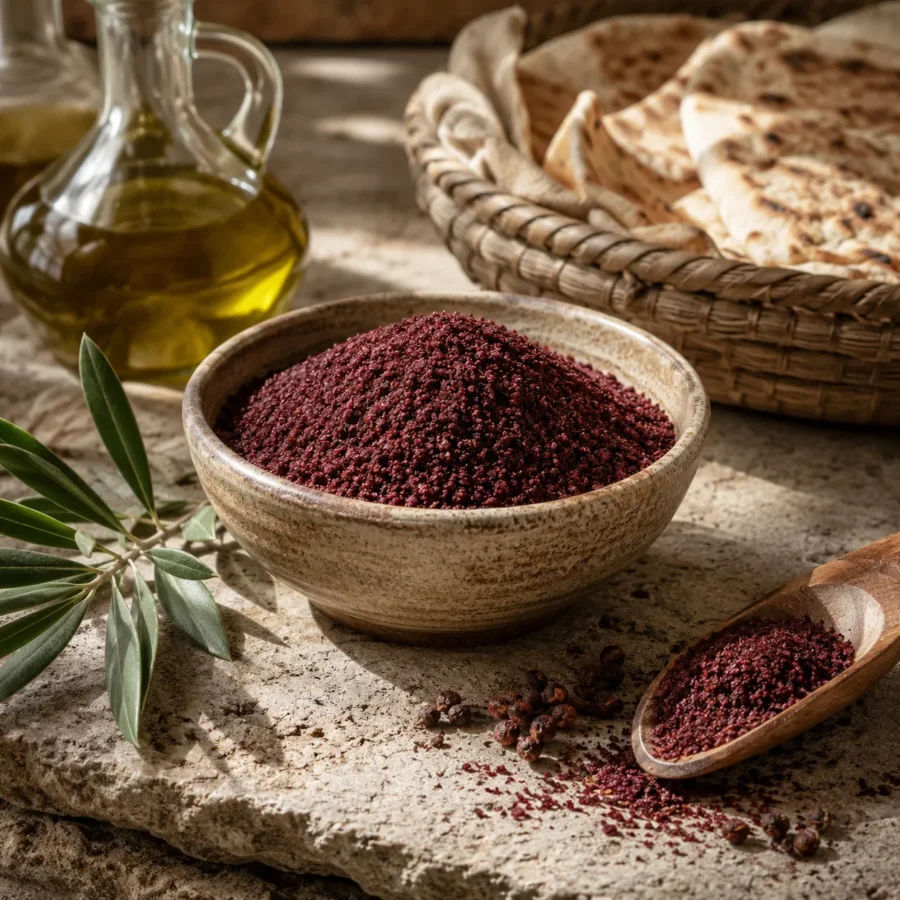
Sumac is known for its deep red color and tangy flavor. In Levantine kitchens, it is often used where brightness is needed without adding liquid acidity.
It is especially common with onions, salads, grilled foods, rice dishes, and traditional recipes such as musakhan. Its sharp but balanced character brings freshness to rich ingredients and adds color to simple dishes.
Unlike many warm spices, sumac does not create heaviness. It adds lift. A small amount can make a dish feel more alive, especially when paired with olive oil, herbs, bread, or roasted meats.
Learn more in our Sumac Spice Guide.
Seven Spice: Warmth, Depth, and Comfort
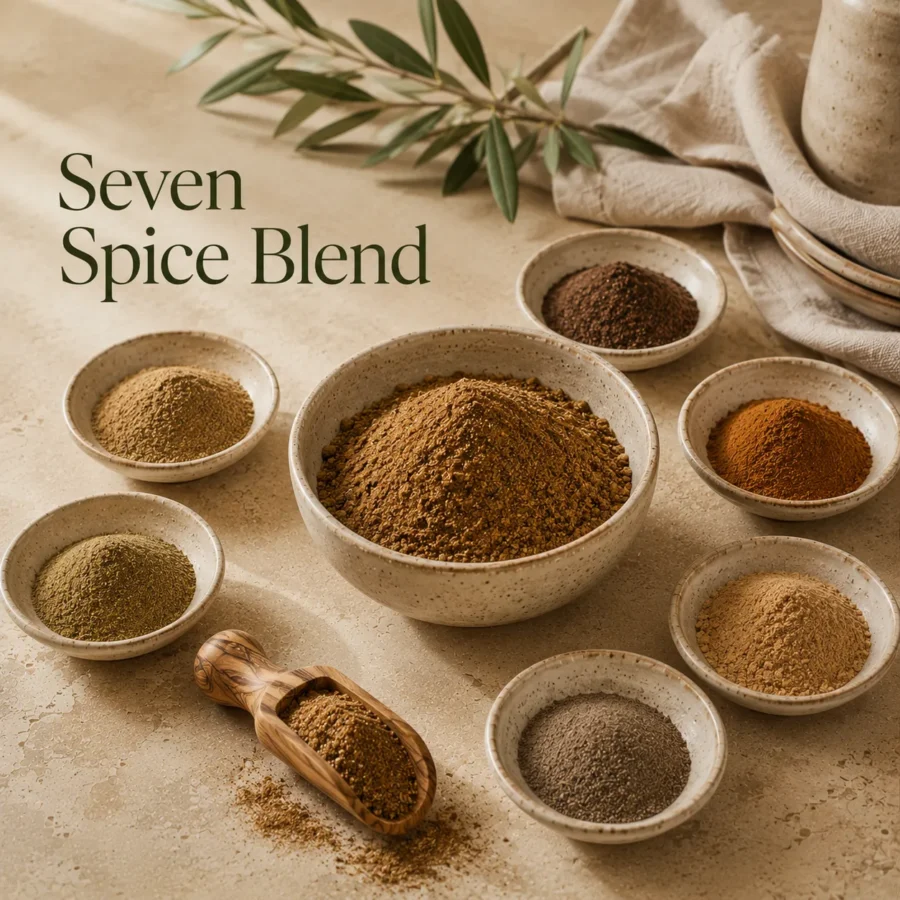
Seven spice, often known in the region as a form of baharat, is one of the most useful blends in Levantine cooking. Recipes vary between families and regions, but the blend often includes warm and aromatic spices such as allspice, cinnamon, black pepper, cloves, nutmeg, coriander, cumin, or cardamom.
The purpose of seven spice is not to make food taste sweet or hot. Its role is to create rounded warmth and depth.
It is commonly used in rice dishes, meat preparations, stews, stuffed vegetables, soups, and slow-cooked meals. It works especially well when combined with onions, olive oil, grains, legumes, and roasted ingredients.
Seven spice is the kind of blend that quietly supports a dish. It gives traditional recipes their familiar background warmth without becoming too dominant.
Bay Leaves: Subtle Aroma for Slow Cooking
Bay leaves are often overlooked because they are usually removed before serving, but they play an important role in Levantine cooking.
They are commonly added to soups, broths, stews, rice dishes, and slow-cooked meals. Their flavor is not loud. Instead, they bring a quiet herbal aroma that becomes noticeable when missing.
Bay leaves work beautifully with grains, legumes, chicken, lamb, sauces, and simmered dishes. They help create the comforting depth associated with traditional home cooking.
Cumin: Earthy and Grounding
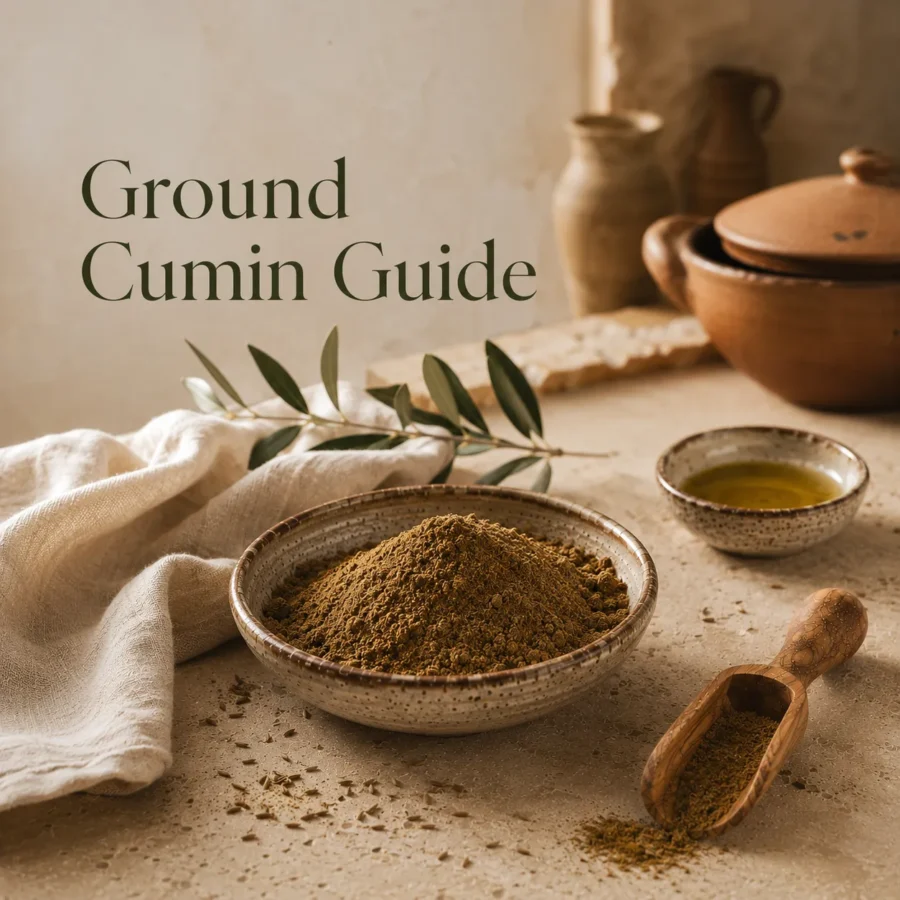
Cumin brings an earthy, warm, slightly nutty flavor to many regional dishes. It is used throughout Middle Eastern and Levantine cooking, especially with legumes, vegetables, rice, and meat-based recipes.
In lentil soups, bean dishes, and chickpea preparations, cumin adds grounding depth. It also pairs naturally with coriander, black pepper, garlic, and olive oil.
Cumin is powerful, so it is usually best used with balance. A small amount can make a dish feel complete, while too much can dominate the other ingredients.
Coriander: Citrus-Like Warmth
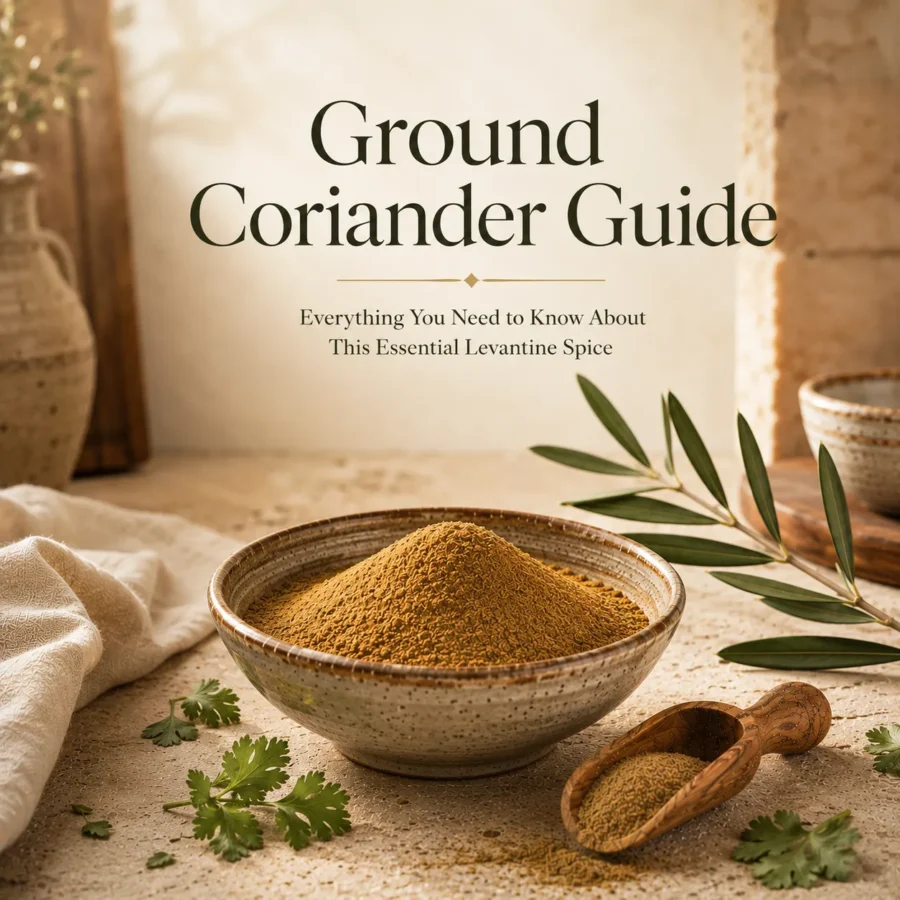
Coriander seed has a warm, lightly citrus-like aroma. In Levantine cooking, it often works as a bridge between earthy spices and brighter ingredients.
It pairs well with cumin, garlic, lemon, olive oil, and vegetables. It can appear in spice blends, marinades, soups, and slow-cooked dishes.
Its subtle character makes it especially useful in blends where no single spice should overpower the dish.
Cinnamon, Cardamom, and Cloves: Warm Aromatic Spices
Warm spices are used carefully in Levantine cuisine. Cinnamon, cardamom, and cloves may appear in both savory and sweet preparations.
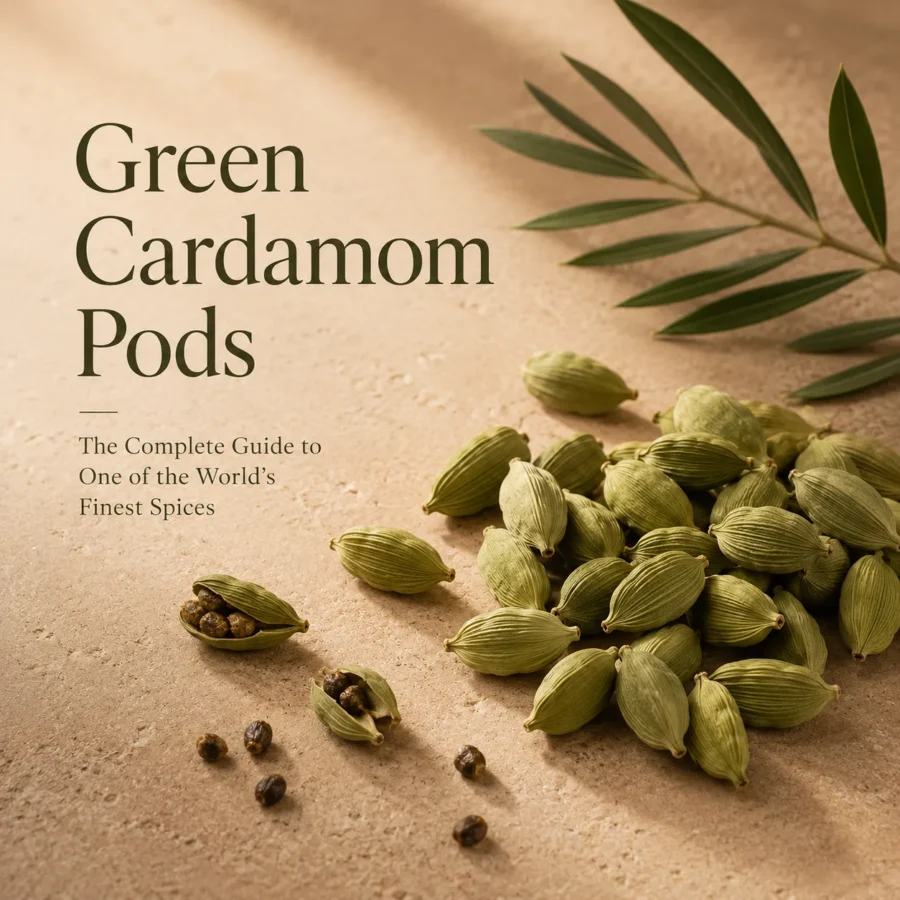
Cinnamon can bring gentle warmth to rice, meat dishes, sweets, and festive recipes. Cardamom is strongly associated with Arabic coffee and certain desserts. Cloves add depth in small amounts, especially in blends and slow-cooked foods.
These spices require restraint. Their strength is in their ability to support aroma and memory, not overpower the dish.
Black Pepper and Allspice: Everyday Depth
Black pepper is a familiar pantry essential, but in Levantine cooking it often works alongside other spices rather than standing alone.
Allspice is especially important in many traditional recipes. Despite its name, allspice is a single spice with a flavor that suggests cinnamon, cloves, nutmeg, and pepper. It is commonly used in meat dishes, rice, stews, and spice blends.
Together, black pepper and allspice create warmth, structure, and familiarity.
How Spices Shape Traditional Levantine Dishes
Spices in the Levant are closely connected to the way dishes are built.
- Rice dishes often use warm blends such as seven spice, cinnamon, allspice, and bay leaves.
- Salads may use sumac, mint, lemon, olive oil, and herbs for brightness.
- Breakfast tables often feature zaatar, olive oil, labneh, bread, and vegetables.
- Soups and stews rely on bay leaves, cumin, black pepper, coriander, and warm blends.
- Traditional sweets may include cardamom, cinnamon, rose water, orange blossom water, pistachios, and walnuts.
The goal is always harmony. A successful Levantine dish should feel balanced, layered, and welcoming.
Building a Traditional Levantine Spice Pantry
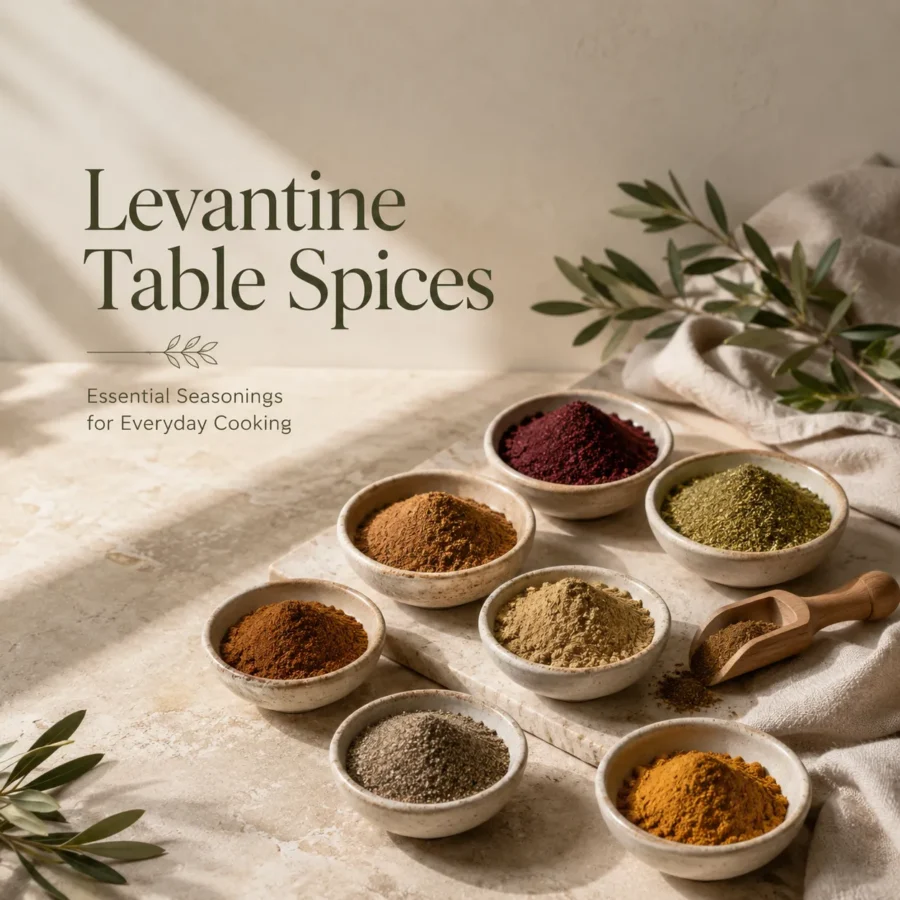
If you are beginning to build a Levantine-inspired pantry, start with ingredients that are versatile and deeply rooted in everyday cooking.
- Zaatar blend
- Sumac
- Seven spice blend
- Bay leaves
- Cumin
- Coriander
- Black pepper
- Cinnamon
- Cardamom
- Cloves
You do not need every spice at once. A thoughtful pantry grows naturally as you cook more traditional dishes and discover which flavors you use most often.
Related DARLEVANT Products
Explore Levantine pantry essentials selected for traditional cooking, everyday meals, and refined regional flavor.
Authentic Jordanian Sumac 350g
Crafted from carefully harvested sumac berries grown in the hills of Anjara, Jordan, this authentic ground sumac delivers a naturally vibrant tangy flavor without added citric acid. Deep in color, rich in character, and traditionally prepared, it brings the unmistakable brightness of Levantine cuisine to salads, musakhan, grilled meats, marinades, and everyday cooking.
- 100% pure ground sumac with no added citric acid.
- Harvested from the hills of Anjara, Jordan.
- Naturally tangy flavor with rich fruity depth.
- Perfect for musakhan, salads, marinades, grilled meats, and vegetables.
- Authentic Levantine ingredient with vibrant natural color.
- Carefully selected for freshness, purity, and consistent quality.
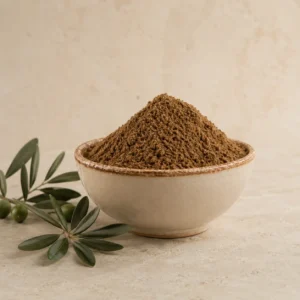
Levantine Seven Spice Blend 350g
Levantine Seven Spice Blend 350g is an authentic traditional baharat blend crafted to bring warmth, depth, and balanced aromatic flavor to everyday cooking. Finely ground for effortless use, it enhances meats, rice dishes, stews, soups, vegetables, and countless classic Levantine family recipes.
- Authentic traditional Levantine baharat blend.
- Warm, aromatic, and perfectly balanced flavor.
- Ideal for meats, rice dishes, stews, soups, and vegetables.
- Finely ground for effortless everyday cooking.
- Inspired by generations of Levantine culinary tradition.
- Carefully blended for freshness, consistency, and authentic flavor.
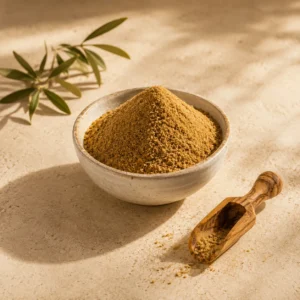
Premium Fine Ground Coriander 230g
Bring authentic Levantine cooking to your kitchen with DARLEVANT Premium Fine Ground Coriander 230g. Carefully selected and finely milled from premium coriander seeds, it delivers a warm citrusy aroma, delicate nutty notes, and beautifully balanced flavor that enhances traditional Middle Eastern recipes as well as everyday home cooking.
- Premium finely ground coriander with an exceptionally smooth texture.
- Warm, lightly citrusy, delicately nutty, and naturally balanced flavor.
- Perfect for authentic Levantine and Middle Eastern cuisine.
- Ideal for rice dishes, soups, marinades, spice blends, falafel, hummus, vegetables, poultry, seafood, and meat recipes.
- Evenly ground for consistent seasoning in every recipe.
- Selected for freshness, authentic aroma, and dependable everyday performance.
- 230g resealable pouch to help preserve flavor and natural fragrance.
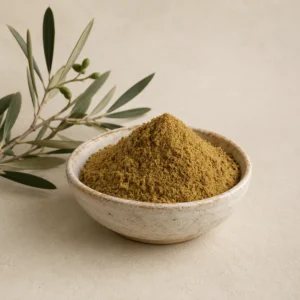
Premium Fine Ground Cumin 250g
Bring rich earthy aroma and authentic Levantine flavor to your favorite recipes with Premium Fine Ground Cumin 250g. Carefully milled from premium cumin seeds and known in Arabic as كمون, this finely ground spice blends effortlessly into soups, rice dishes, marinades, spice blends, falafel, hummus, grilled meats, and everyday home cooking.
- Premium finely ground cumin seeds.
- Warm earthy flavor with subtle nutty notes.
- Rich aromatic character.
- Perfect for falafel, hummus, rice dishes, soups, and marinades.
- Smooth texture for effortless blending into recipes.
- Carefully selected for exceptional quality and consistency.
How to Choose Quality Spices
Quality makes a major difference in flavor and aroma. Good spices should look, smell, and taste alive.
When choosing spices, look for:
- Fresh aroma when opened
- Natural color appropriate to the ingredient
- Clean texture without excess dust
- Clear product information
- Packaging that protects from moisture and light
For blends, balance is especially important. No single ingredient should feel harsh or out of place. A good blend should smell layered and complete.
How to Store Spices Properly
Spices are sensitive to air, heat, light, and moisture. Proper storage helps preserve their character.
- Store spices in airtight containers.
- Keep them away from direct sunlight.
- Avoid storing them near the stove or oven.
- Use clean, dry spoons when handling.
- Refresh older spices when their aroma fades.
Whole spices generally keep their aroma longer than ground spices, but both should be protected carefully.
Spices and Levantine Hospitality
Spices are part of the way hospitality is expressed in Levantine homes.
A table with zaatar and olive oil invites sharing. Arabic coffee scented with cardamom welcomes guests. Warm spices in rice or stews create comfort. Traditional sweets served with coffee complete the experience.
Hospitality is not only about abundance. It is about care. Spices help communicate that care through aroma, memory, and flavor.
You can explore this wider cultural connection in our article How Arabic Hospitality Shapes Levantine Food Culture.
Common Mistakes When Using Spices
Even high-quality spices can lose their beauty if used carelessly.
- Using too much at once: Levantine cooking is balanced. Start small and adjust gradually.
- Using stale spices: If a spice has little aroma, it will add little flavor.
- Overheating delicate spices: Some spices become bitter if burned.
- Ignoring texture: Finely ground spices and coarse blends behave differently.
- Using blends without understanding them: A blend already contains several flavors, so pair it thoughtfully.
Frequently Asked Questions
What are the most important spices in Levantine cooking?
Zaatar, sumac, seven spice, bay leaves, cumin, coriander, cinnamon, cardamom, allspice, and black pepper are among the most important pantry staples.
Is zaatar a spice or a blend?
Zaatar usually refers to a traditional blend made with herbs, sesame seeds, sumac, and regional spices. It can also refer to the herb itself in some contexts.
What is sumac used for?
Sumac is used to add tangy brightness and deep red color to salads, onions, grilled foods, rice dishes, and traditional Levantine recipes.
What is seven spice used for?
Seven spice is commonly used in rice dishes, meat preparations, stews, stuffed vegetables, and slow-cooked meals.
How should spices be stored?
Store spices in airtight containers away from heat, moisture, and direct sunlight to help preserve their aroma and flavor.
Final Thoughts
Levantine spices tell the story of a cuisine built on balance, hospitality, and memory. They bring warmth to grains, brightness to salads, depth to stews, and character to everyday meals.
From zaatar and sumac to seven spice, bay leaves, cumin, cardamom, and cinnamon, each ingredient plays a role in shaping the flavors of the region.
Building a traditional spice pantry is not only about collecting ingredients. It is about understanding how those ingredients work together to create meals that feel generous, comforting, and deeply connected to place.
With the right spices, even the simplest meal can carry the warmth and heritage of the Levant.