DARLEVANT Journal
Freekeh Explained: The Ancient Grain of the Levant
Freekeh Explained: The Ancient Grain of the Levant
Long before modern food trends introduced the world to ancient grains, freekeh had already been a staple of Levantine kitchens for generations. Deeply rooted in regional culinary traditions, this distinctive grain continues to be appreciated for its rich flavor, versatility, and connection to centuries of agricultural heritage.
Across Jordan, Palestine, Lebanon, and Syria, freekeh remains a familiar ingredient found in both everyday meals and special family gatherings. Its unique production method, unmistakable aroma, and satisfying texture have helped preserve its place in traditional cuisine despite the passage of time.
What Is Freekeh?
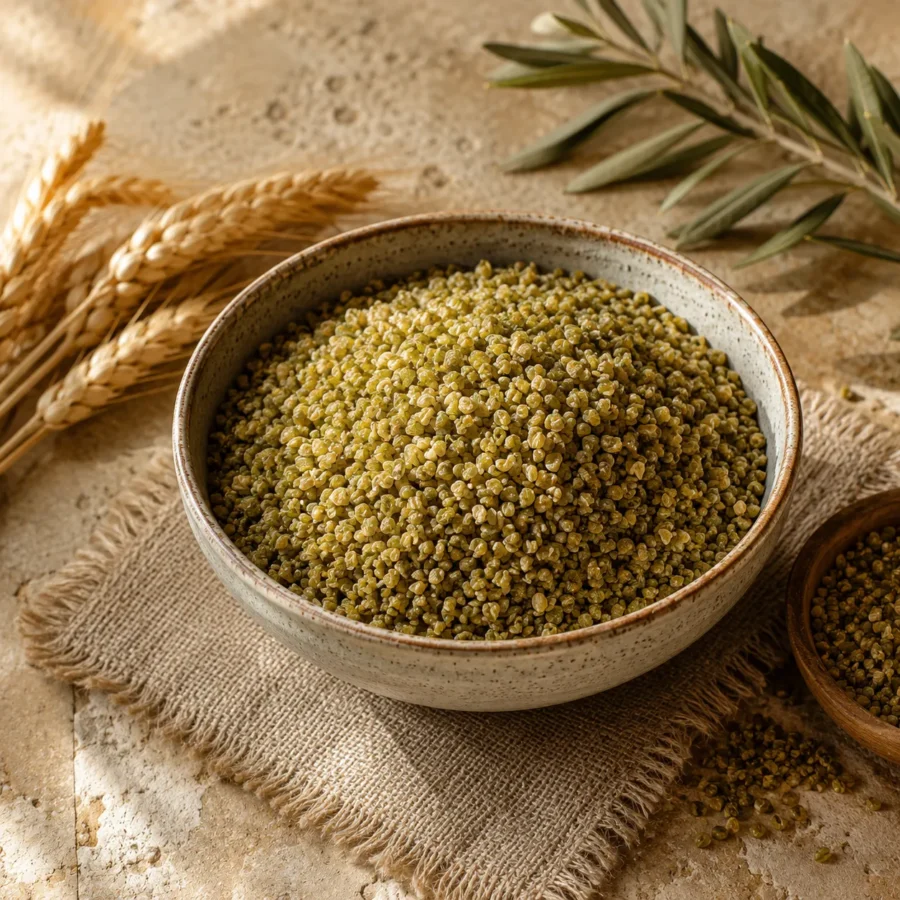
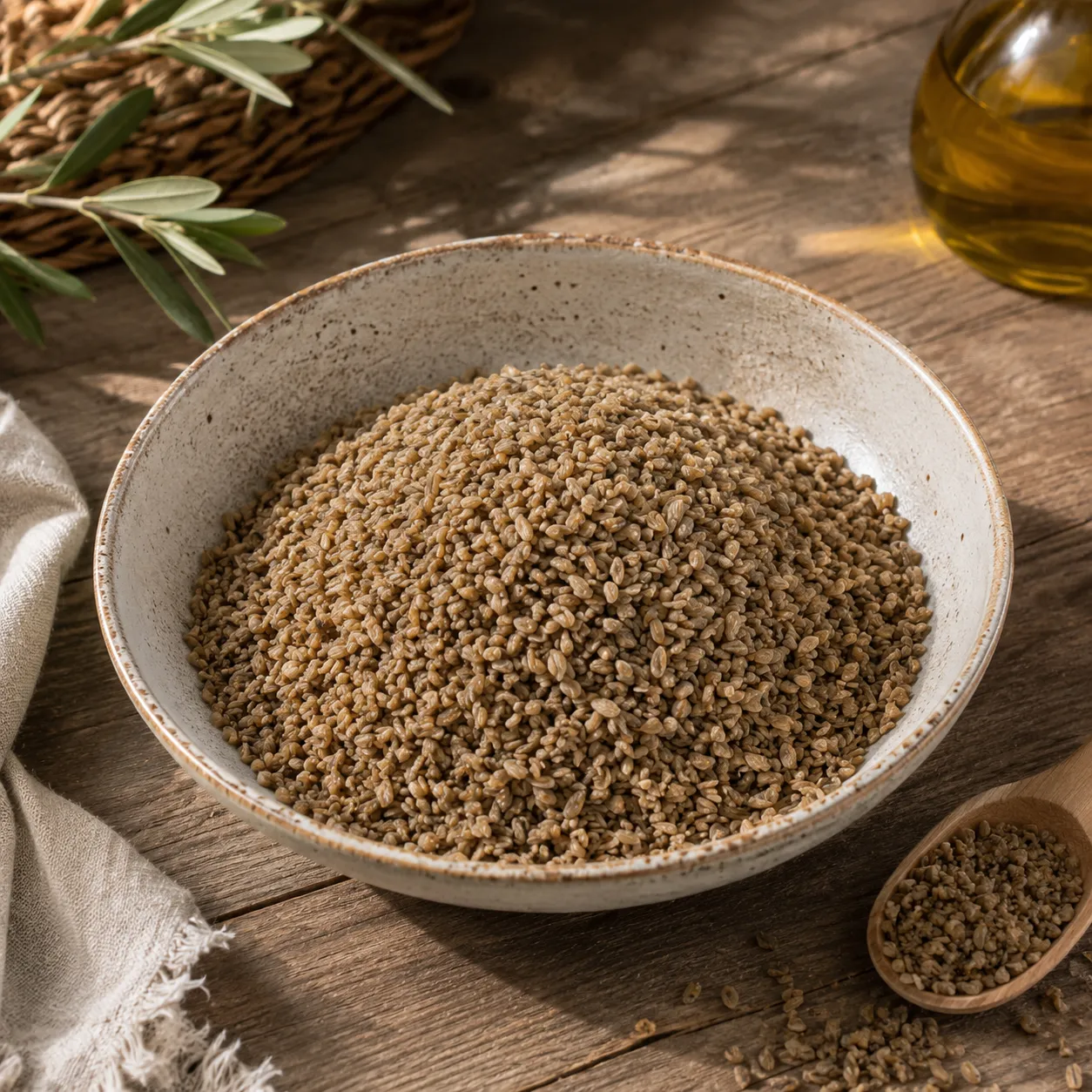
Freekeh is an ancient grain produced from young green wheat that is harvested before reaching full maturity. After harvesting, the wheat is carefully roasted and rubbed, a traditional process that gives freekeh its characteristic appearance and distinctive flavor.
The roasting stage contributes subtle smoky notes that set freekeh apart from many other grains. This unique character has made it one of the most recognizable ingredients in Levantine cooking.
The Origins of Freekeh
The history of freekeh stretches back centuries throughout the Fertile Crescent and the Levant. For generations, farming communities developed methods of harvesting and preparing green wheat that maximized both flavor and practicality.
Over time, freekeh became closely associated with regional food culture and remains an enduring symbol of traditional agriculture and seasonal harvests.
What Does Freekeh Taste Like?
One of the reasons freekeh remains so popular is its distinctive flavor profile.
- Warm and earthy.
- Subtly smoky.
- Rich and comforting.
- More complex than many common grains.
The roasting process creates a depth of flavor that complements both simple and elaborate dishes. This unique character makes freekeh enjoyable on its own while also allowing it to pair beautifully with herbs, vegetables, and traditional spice blends.
Freekeh in Traditional Levantine Cooking
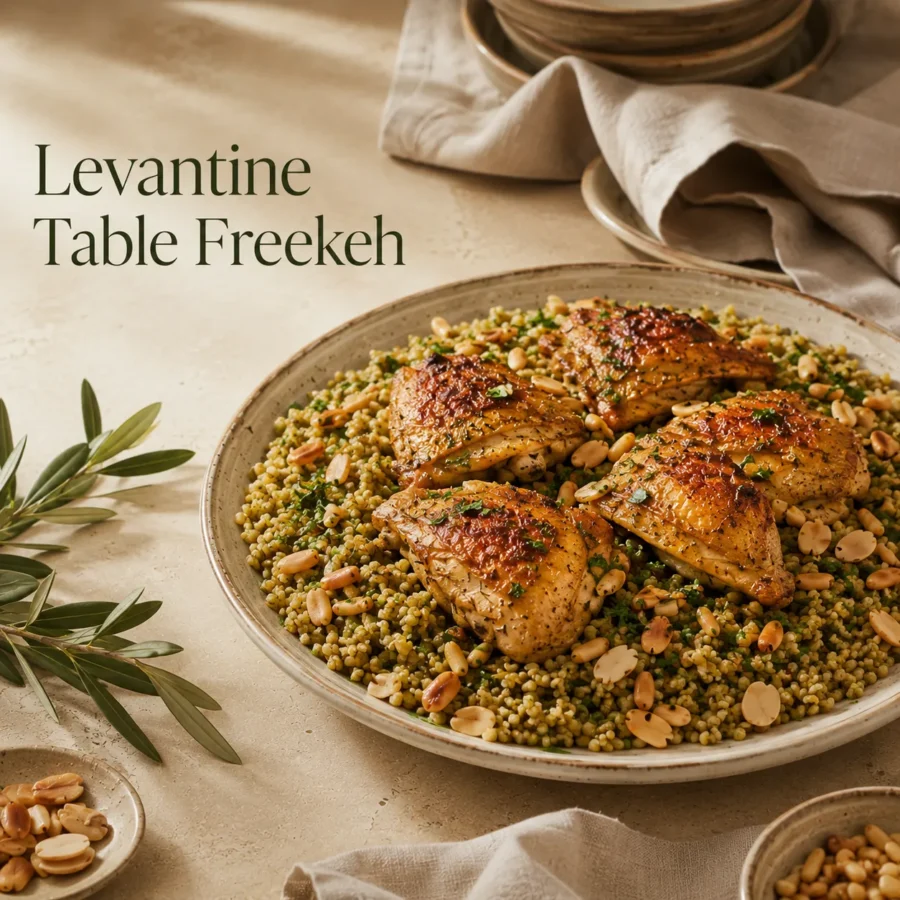
Throughout the Levant, freekeh has been used in a wide variety of traditional recipes. Families often prepare it as a hearty main dish or serve it alongside meats, vegetables, and aromatic seasonings.
Its versatility allows it to adapt to both everyday meals and special occasions. Many recipes highlight the grain’s natural flavor rather than masking it, allowing its distinctive character to remain at the center of the dish.
Why Freekeh Has Endured for Generations
Food traditions survive when they continue to offer value across generations. Freekeh remains popular because it represents simplicity, practicality, and authentic regional flavor.
Many traditional ingredients have disappeared from modern kitchens, yet freekeh continues to maintain its place because of its versatility and strong cultural connection to Levantine culinary heritage.
Freekeh Compared to Other Grains
Although freekeh is made from wheat, its flavor and texture distinguish it from many familiar grains.
Its roasting process creates a unique depth that is difficult to replicate. While other grains may offer a neutral base, freekeh contributes its own distinctive character to the dishes in which it is used.
This individuality has helped freekeh remain relevant even as food preferences continue to evolve.
How to Enjoy Freekeh
Freekeh can be incorporated into a variety of traditional and contemporary dishes.
- Served as a grain-based side dish.
- Combined with vegetables and herbs.
- Used in traditional Levantine recipes.
- Included in hearty family meals.
- Paired with aromatic spice blends.
Its versatility allows it to complement many different cooking styles while preserving its traditional identity.
Choosing Quality Freekeh
Quality freekeh should display a consistent appearance, pleasant aroma, and the distinctive characteristics associated with traditional production methods.
Proper preparation and careful handling help preserve the qualities that have made freekeh a valued ingredient for generations.
Explore Traditional Freekeh
For those looking to experience one of the Levant’s most enduring culinary traditions, freekeh offers a connection to generations of farmers, cooks, and family recipes.
Explore our Traditional Freekeh 350g for a classic pantry staple, or discover Palestinian Fine Freekeh 750g for a traditional fine-textured variation rooted in Levantine cooking traditions.
You can also explore additional heritage ingredients through our Pantry Collection, where traditional flavors continue to inspire modern kitchens.
Related DARLEVANT Products
Traditional Freekeh 750g
Traditional freekeh is an authentic Levantine heritage grain made from young green wheat that is carefully roasted and rubbed using time-honored methods. With its distinctive nutty flavor, gentle smoky aroma, and satisfying texture, it has remained a cherished ingredient for generations in pilafs, soups, grain bowls, and traditional family recipes.
- 100% roasted green wheat (traditional freekeh).
- Authentic ancient grain from the Levant.
- Naturally nutty flavor with a delicate smoky aroma.
- Perfect for pilafs, soups, grain bowls, and side dishes.
- Prepared using the traditional roasting process.
- Carefully selected for authentic flavor and consistent quality.
Palestinian Fine Freekeh 750g
Grown in the fields of Jenin and Tubas, harvested green, and flame-roasted the traditional way, this fine freekeh cooks quickly into soups, stuffings, and grain dishes with genuine smoky depth.
- Traditional open-flame roasted green wheat, not a shortcut process
- Fine grind cooks faster than coarse freekeh
- More protein and fiber than rice, fewer calories than quinoa
- A real Ramadan soup and stuffing staple, not a health-food trend
- 100% roasted green wheat, no additives
- Generous 750g family-size pack
Final Thoughts
Freekeh is far more than a grain. It represents a culinary tradition shaped by generations of farming knowledge, seasonal harvests, and regional cooking practices.
Its distinctive flavor, rich heritage, and remarkable versatility continue to make it one of the most respected ingredients in Levantine cuisine. As interest in traditional foods continues to grow, freekeh remains a timeless reminder that some of the most enduring flavors are also the simplest.