DARLEVANT Journal
Bay Leaves in Cooking: Traditional Uses in Levantine Cuisine
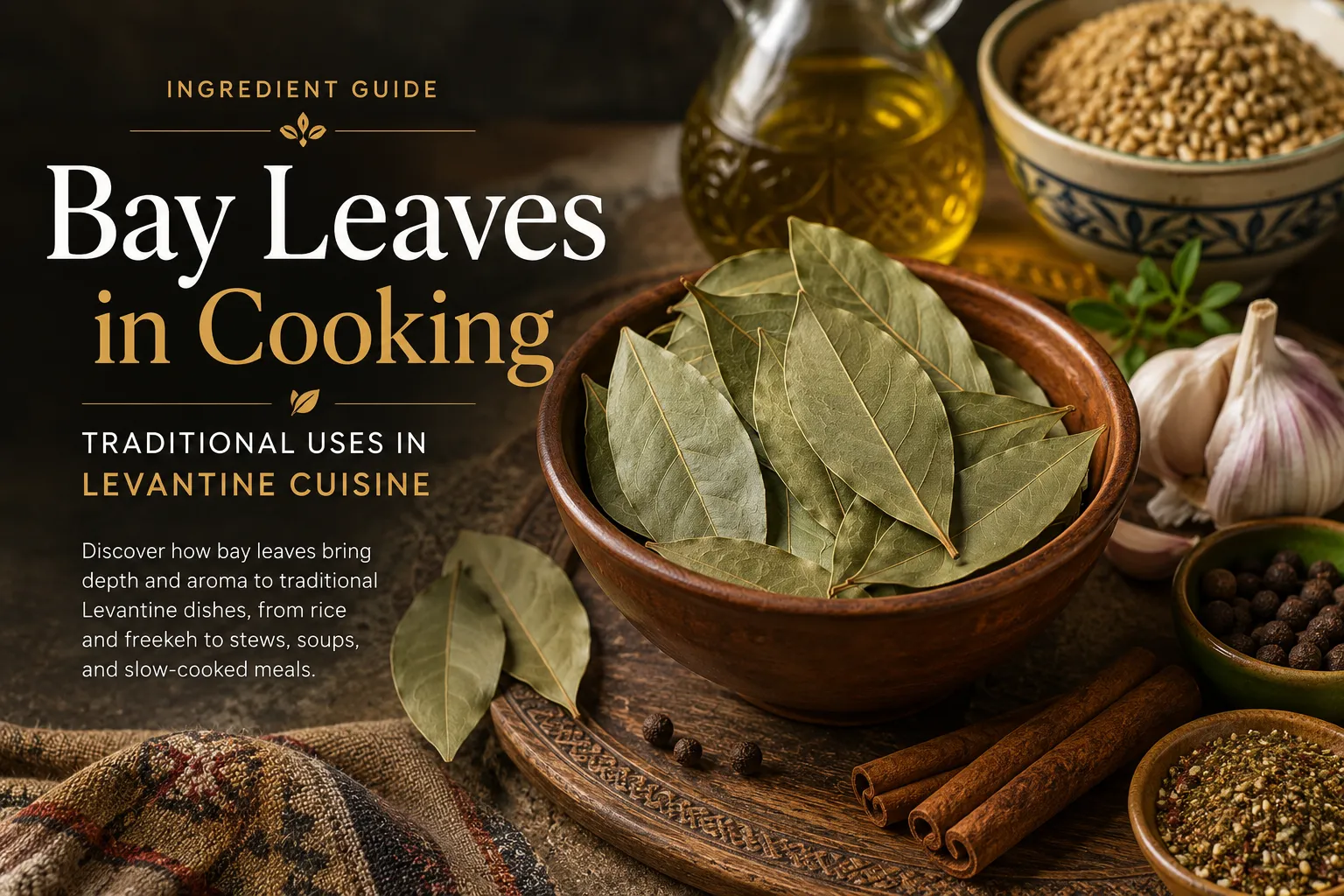
Bay Leaves in Cooking: Traditional Uses in Levantine Cuisine
Some ingredients define a cuisine through bold flavors and vibrant colors. Others work more quietly, adding depth and balance without drawing attention to themselves. Bay leaves belong firmly in the second category.
Across the Levant, bay leaves have been used for generations to enrich rice dishes, soups, freekeh preparations, broths, and slow-cooked meals. While they rarely appear on the plate itself, their subtle aroma plays an important role in creating the comforting flavors associated with traditional home cooking.
From family kitchens in Jordan and Palestine to tables across Syria and Lebanon, bay leaves remain one of the region’s most trusted pantry staples.
Understanding how to use bay leaves properly can help you create more authentic dishes and appreciate the careful layering of flavors that defines Levantine cuisine.
What Are Bay Leaves?
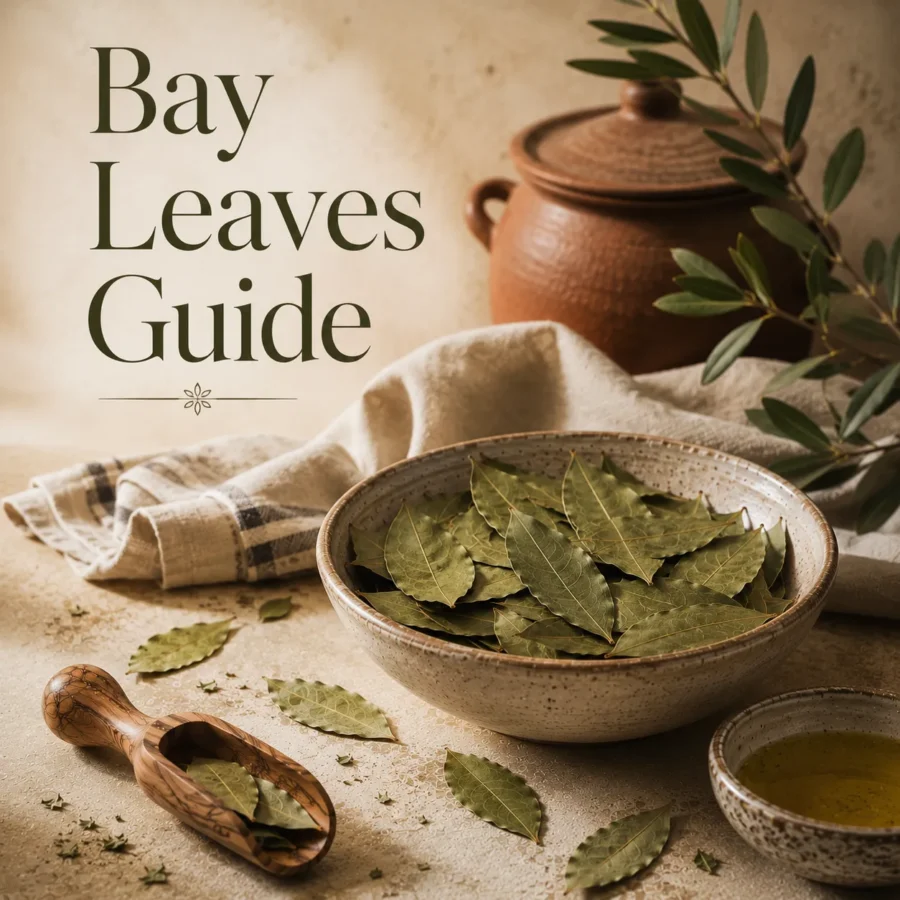
Bay leaves are the aromatic leaves of the bay laurel tree, an evergreen native to the Mediterranean region.
Although fresh bay leaves are occasionally used, dried bay leaves are far more common in traditional cooking because their flavor becomes deeper and more concentrated over time.
Unlike herbs that are sprinkled over dishes just before serving, bay leaves release their flavor slowly during cooking, infusing ingredients with subtle herbal and earthy notes.
Rather than dominating a recipe, bay leaves quietly enhance the overall flavor profile.
The History of Bay Leaves in Mediterranean and Levantine Cooking
Bay laurel has been valued throughout the Mediterranean for centuries. As trade routes connected communities across the region, bay leaves became a familiar ingredient in traditional Levantine kitchens.
Over generations, families incorporated bay leaves into recipes that relied on patience and slow cooking techniques.
Today, bay leaves remain an essential ingredient in many traditional dishes because of their ability to bring warmth and balance without overpowering other flavors.
What Do Bay Leaves Taste Like?
Bay leaves are rarely consumed directly. Instead, they infuse dishes with a gentle aroma during cooking.
Their flavor profile is often described as:
- Herbal
- Earthy
- Woodsy
- Lightly floral
- Subtly peppery
When used correctly, bay leaves enhance surrounding ingredients rather than standing out on their own.
Dried Bay Leaves vs Fresh Bay Leaves
| Feature | Dried Bay Leaves | Fresh Bay Leaves |
|---|---|---|
| Flavor | Deeper and more concentrated | Brighter and lighter |
| Traditional Use | Most common | Occasional |
| Storage | Long shelf life | Short shelf life |
| Best For | Soups, stews, rice dishes | Quick cooking recipes |
For traditional Levantine cooking, dried bay leaves are generally preferred.
Bay Leaves in Traditional Levantine Cuisine
Across the Levant, bay leaves are commonly added to dishes that require time and gentle heat.
They are especially valued for their ability to complement grains, legumes, meats, and vegetables.
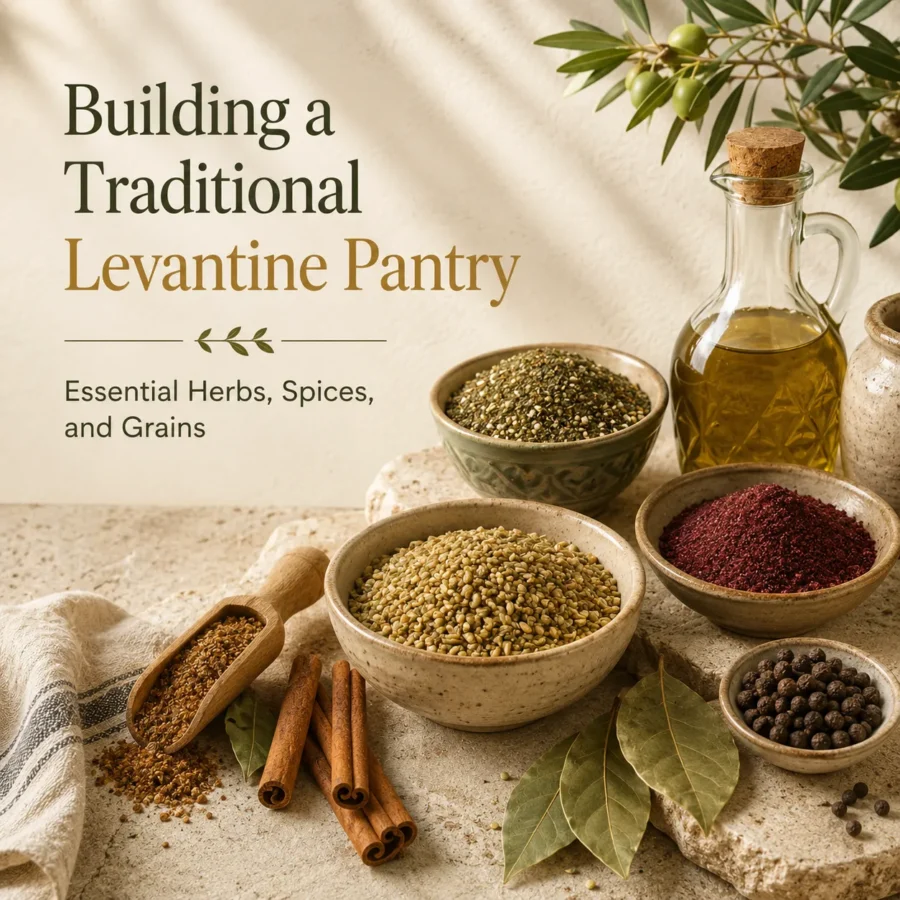
Many traditional recipes rely on bay leaves alongside onions, garlic, olive oil, cinnamon, allspice, and warming spice blends such as seven spice.
Traditional Dishes That Use Bay Leaves
- Freekeh dishes
- Rice pilafs
- Lentil soups
- Bean stews
- Stuffed vegetables
- Slow-cooked lamb dishes
- Chicken broths
- Vegetable stews
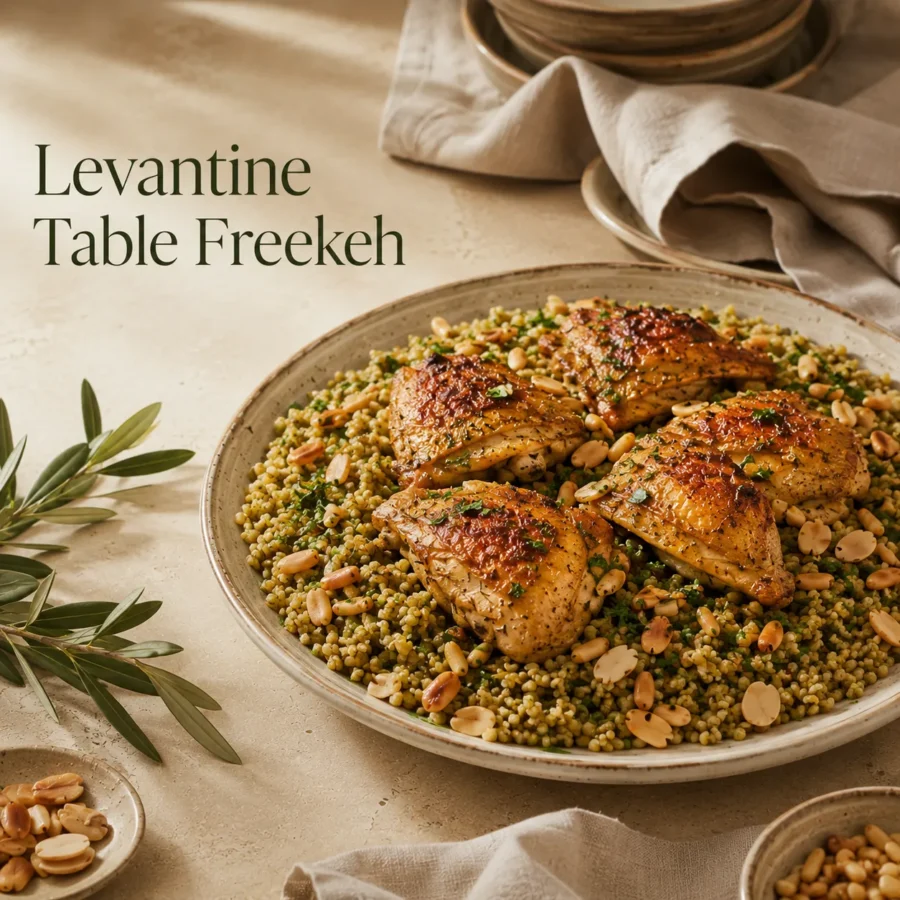
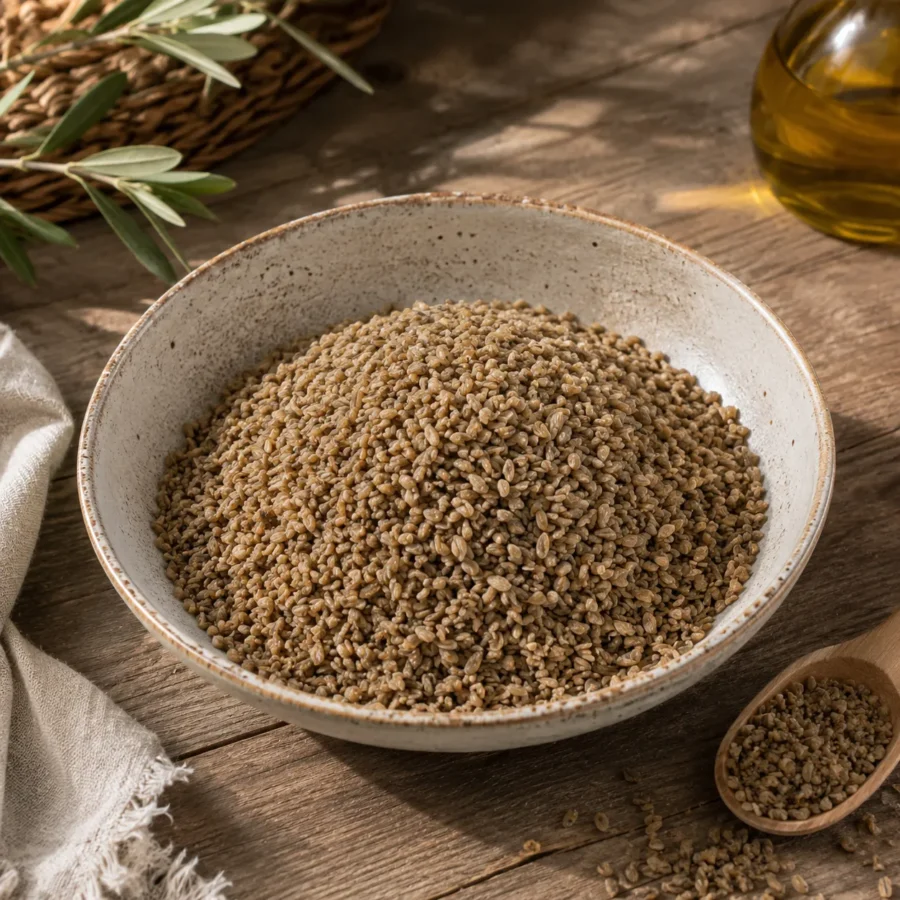
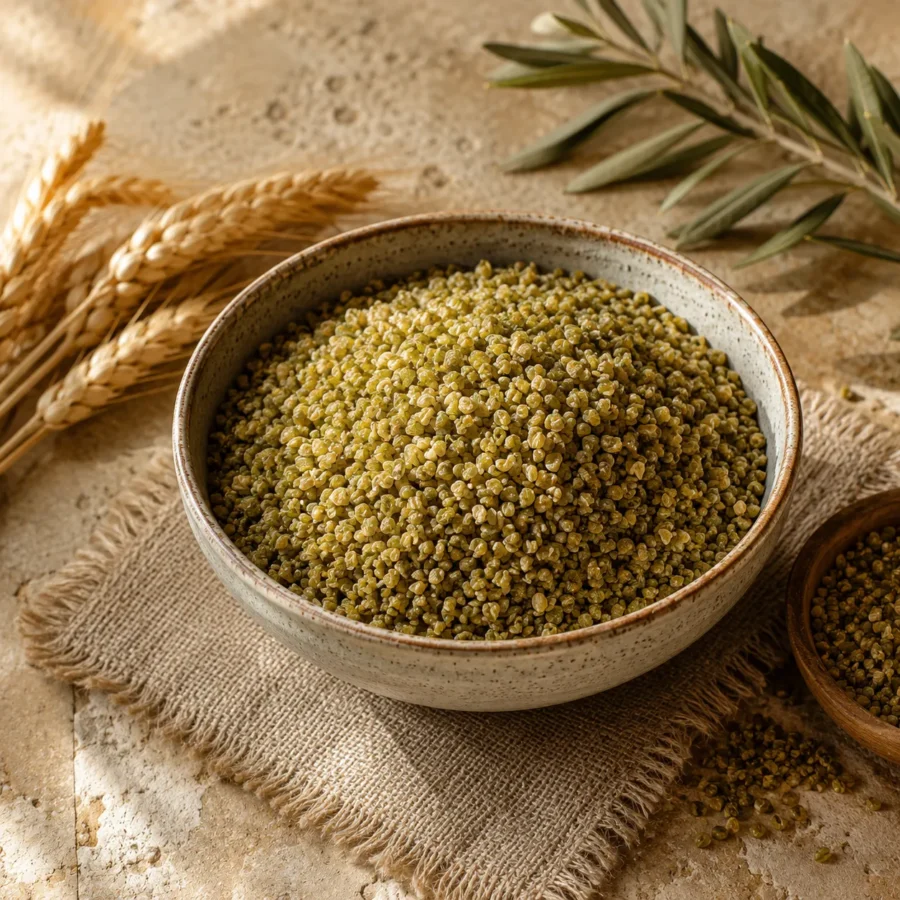
Bay leaves are frequently used in grain dishes such as traditional freekeh preparations, where their subtle aroma helps create greater depth and balance.
How To Cook With Bay Leaves
Using bay leaves effectively requires patience rather than quantity.
- Add one or two dried leaves at the beginning of cooking.
- Allow sufficient time for the flavors to develop.
- Use them in recipes that simmer slowly.
- Remove the leaves before serving.
Because bay leaves release their flavor gradually, they work best in soups, stews, rice dishes, and grain preparations.
Common Mistakes When Using Bay Leaves
- Adding too many leaves.
- Using old leaves that have lost their aroma.
- Expecting an immediate strong flavor.
- Forgetting to remove the leaves before serving.
- Using bay leaves in recipes with very short cooking times.
Bay leaves are designed to enhance a dish quietly rather than dominate it.
Bay Leaves and Other Levantine Pantry Staples
Bay leaves pair naturally with many traditional ingredients.
- Freekeh
- Olive oil
- Seven spice blend
- Allspice
- Cinnamon
- Onions and garlic
Together, these ingredients create the aromatic flavor profiles that define Levantine cooking traditions.
For a broader introduction to regional flavors, explore our guide to the essential flavors of the Levant.
How To Choose Quality Bay Leaves
Selecting quality ingredients helps preserve the authenticity of traditional recipes.
- Look for whole leaves with consistent color.
- Choose leaves with a fresh herbal aroma.
- Avoid excessively brittle or faded leaves.
- Select products with clear sourcing information.
How To Store Bay Leaves
- Store in an airtight container.
- Keep away from direct sunlight.
- Protect from moisture.
- Keep away from heat.
- Use clean, dry utensils.
Proper storage helps maintain freshness and aroma over time.
Related DARLEVANT Products
Explore traditional pantry ingredients that bring authentic Levantine flavors to everyday cooking.
Our bay leaves are carefully selected to complement grain dishes, soups, stews, and slow-cooked recipes inspired by Levantine culinary traditions.
Dried Bay Leaves 350g
Bring authentic Levantine and Mediterranean flavor to your kitchen with premium dried bay leaves. Carefully selected for their rich herbal aroma and consistent quality, these naturally dried bay leaves slowly infuse soups, stews, rice dishes, sauces, legumes, marinades, and slow-cooked recipes with warm, balanced flavor that enhances every ingredient without overpowering it.
- 100% premium dried bay leaves with naturally aromatic flavor.
- Warm herbal, lightly woody, and delicately savory character.
- Perfect for soups, stews, rice dishes, sauces, stocks, and marinades.
- Ideal for Levantine, Mediterranean, and everyday home cooking.
- Slowly releases aroma during cooking for richer, more balanced meals.
- Remove before serving, as the leaves are intended for flavor infusion only.
- Carefully selected for freshness, authentic aroma, and dependable culinary performance.
Levantine Seven Spice Blend 350g
Levantine Seven Spice Blend 350g is an authentic traditional baharat blend crafted to bring warmth, depth, and balanced aromatic flavor to everyday cooking. Finely ground for effortless use, it enhances meats, rice dishes, stews, soups, vegetables, and countless classic Levantine family recipes.
- Authentic traditional Levantine baharat blend.
- Warm, aromatic, and perfectly balanced flavor.
- Ideal for meats, rice dishes, stews, soups, and vegetables.
- Finely ground for effortless everyday cooking.
- Inspired by generations of Levantine culinary tradition.
- Carefully blended for freshness, consistency, and authentic flavor.
Frequently Asked Questions
Do you eat bay leaves?
No. Bay leaves are used to flavor dishes during cooking and are removed before serving.
How many bay leaves should I use?
One or two dried bay leaves are usually enough for most recipes.
Can dried bay leaves be used instead of fresh?
Yes. Dried bay leaves are commonly used in traditional cooking and provide a concentrated aroma.
What dishes use bay leaves?
Bay leaves are often used in rice dishes, soups, stews, freekeh recipes, and meat preparations.
When should bay leaves be added?
Bay leaves are typically added at the beginning of the cooking process to allow their flavor to develop gradually.
Final Thoughts
Bay leaves may be subtle, but their contribution to Levantine cuisine is significant. Their ability to enhance and balance flavors has made them a trusted ingredient in traditional kitchens for generations.
Whether preparing a comforting soup, a fragrant rice dish, or a slow-cooked family recipe, bay leaves remain one of the simplest ways to bring authentic Levantine character to your cooking.