DARLEVANT Journal
What Is Freekeh? The Ancient Grain That Has Been Enjoyed Across the Levant for Generations
What Is Freekeh? The Ancient Grain That Has Been Enjoyed Across the Levant for Generations
Long before ancient grains became a global food trend, freekeh had already secured its place at the heart of Levantine cuisine. Across Jordan, Palestine, Syria, and neighboring regions, families have enjoyed this remarkable grain for generations, incorporating it into everyday meals, festive gatherings, and cherished recipes passed down through time.
Known for its distinctive flavor, satisfying texture, and deep agricultural roots, freekeh represents more than a pantry ingredient. It reflects centuries of farming traditions, culinary knowledge, and regional food culture. While modern kitchens continue to discover freekeh, its story began long ago in the fertile wheat-growing landscapes of the Levant.
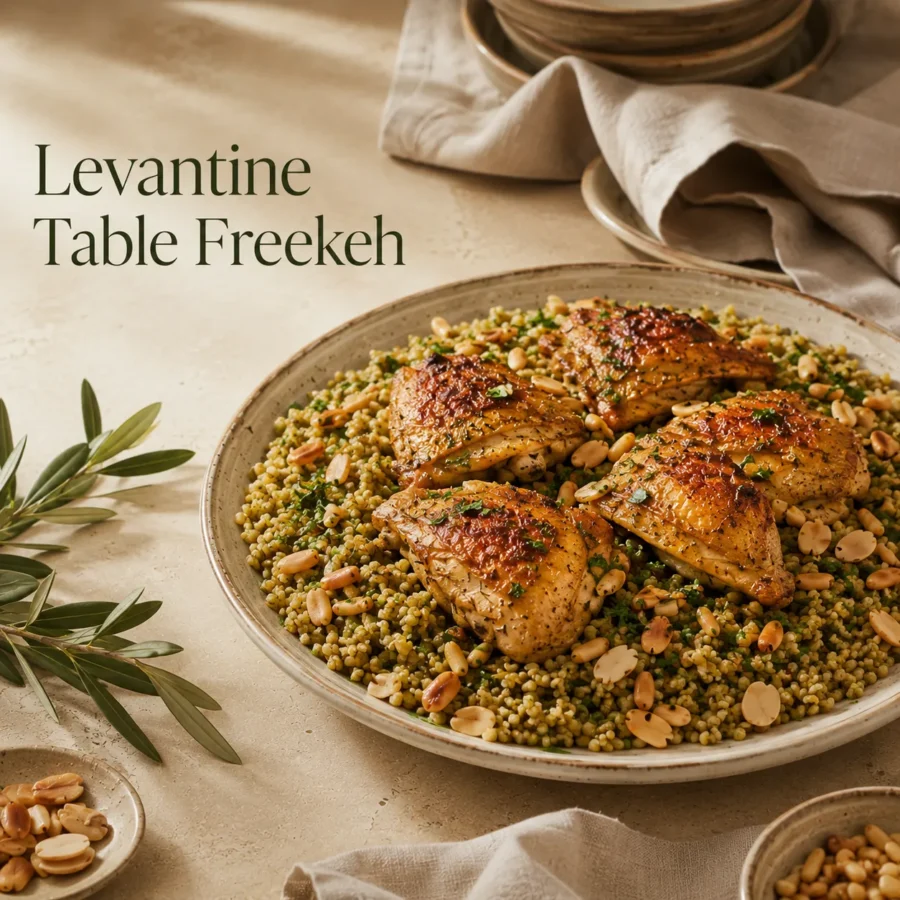
Whether prepared with chicken, served alongside lamb, added to soups, or enjoyed as a hearty grain dish, freekeh remains one of the region’s most treasured culinary staples.
What Is Freekeh?
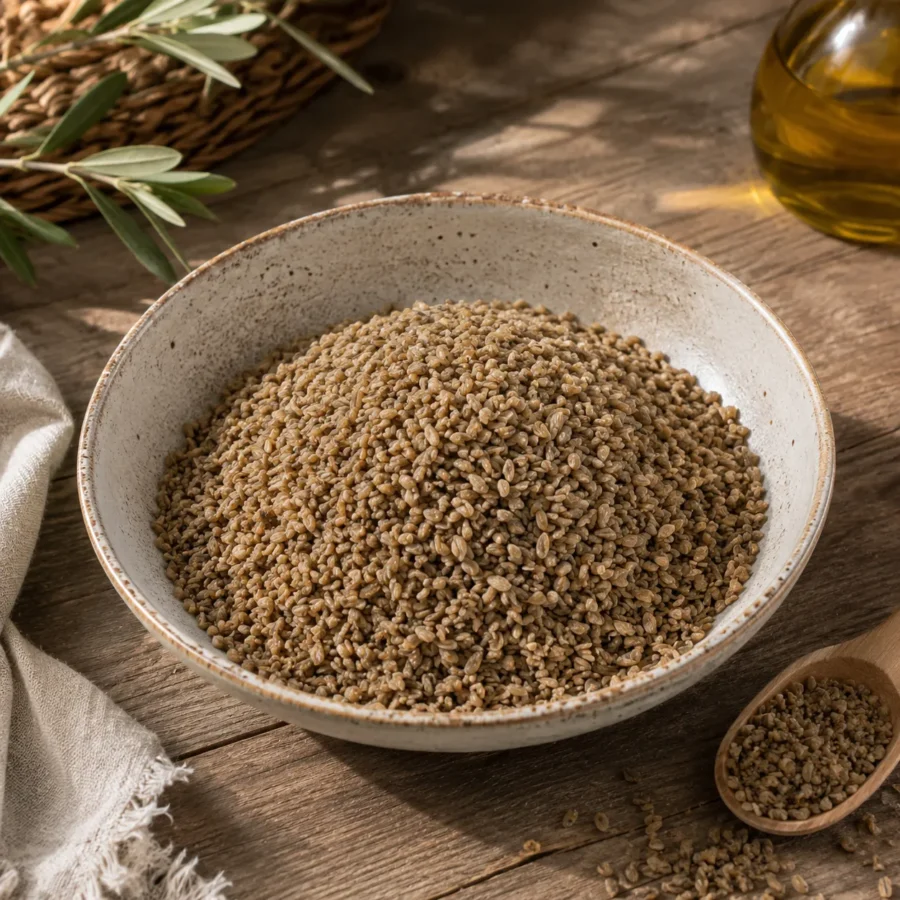
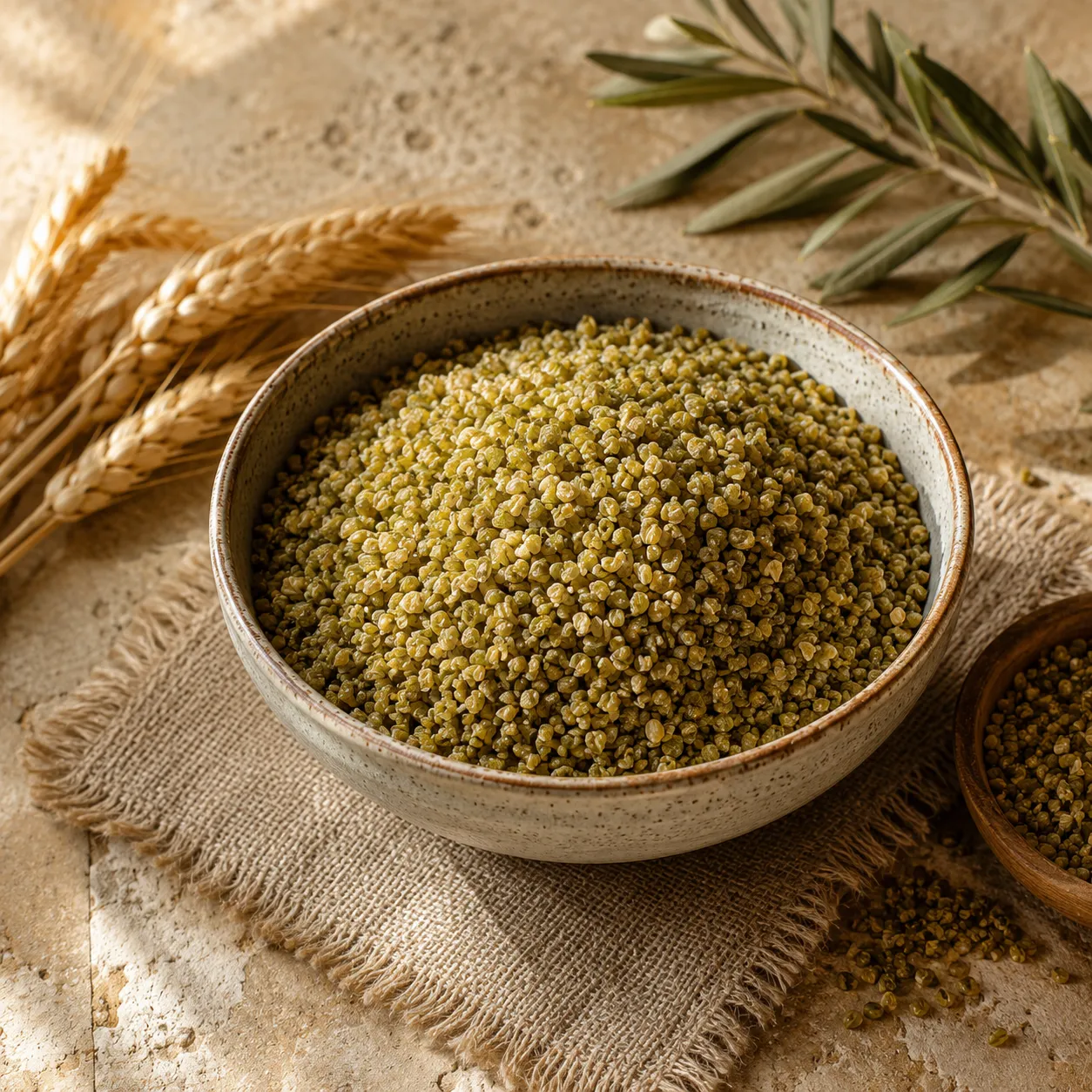
Freekeh is an ancient grain made from young green wheat that is harvested before reaching full maturity. After harvest, the wheat is carefully roasted, cleaned, and processed using traditional methods that have been preserved throughout the Levant for generations.
The result is a grain known for its lightly smoky aroma, nutty flavor, and pleasantly chewy texture. Unlike many modern grain products, freekeh maintains a strong connection to traditional farming practices and regional culinary heritage.
The name “freekeh” is believed to originate from the traditional process of rubbing and separating the roasted wheat after harvesting. This practice helped create the grain that remains widely enjoyed across the Levant today.
How Is Freekeh Made?
One of the most fascinating aspects of freekeh is the traditional production process that gives it its distinctive character.
- Young wheat is harvested while still green.
- The harvested stalks are dried.
- The wheat is roasted over controlled heat.
- The outer layers are removed.
- The grains are cleaned and sorted.
- The finished grain is prepared for storage and cooking.
The roasting stage contributes significantly to freekeh’s signature aroma and flavor. This process helps distinguish it from many other grains commonly found in kitchens around the world.
The History of Freekeh in the Levant
Freekeh has been cultivated and enjoyed throughout the Levant for centuries. Long before modern food trends introduced ancient grains to international audiences, communities across the region relied on freekeh as an important ingredient in traditional cooking.
Its popularity stemmed from practicality as well as flavor. Freekeh could be stored effectively, prepared in numerous ways, and paired beautifully with ingredients commonly found throughout the Levant, including olive oil, herbs, vegetables, onions, and aromatic spices.
Across Jordan and Palestine in particular, freekeh became associated with hospitality, family gatherings, and recipes that continue to be enjoyed today. Its enduring presence in Levantine cuisine reflects generations of agricultural knowledge and culinary tradition.
What Does Freekeh Taste Like?
One of the reasons freekeh continues to be appreciated across generations is its distinctive flavor profile.
Compared to more neutral grains, freekeh offers greater depth and character.
- Nutty
- Earthy
- Rich and savory
- Lightly smoky
- Warm and satisfying
The roasting process contributes significantly to these qualities, creating a grain that remains memorable while still complementing a wide variety of ingredients.
Freekeh Texture and Cooking Characteristics
Texture plays an important role in freekeh’s popularity.
When cooked properly, freekeh typically provides:
- A tender bite
- A pleasant chewiness
- Excellent flavor absorption
- A hearty texture suitable for many recipes
These characteristics make freekeh equally suitable for traditional family dishes and contemporary culinary creations.
Traditional Uses of Freekeh
Throughout the Levant, freekeh appears in a wide variety of traditional dishes.
Freekeh with Chicken
One of the region’s best-known preparations combines freekeh with chicken and aromatic seasonings. This hearty meal remains a favorite at family gatherings and celebrations.
Freekeh with Lamb
Many traditional recipes pair freekeh with lamb, allowing the grain’s robust character to complement rich and savory flavors.
Freekeh Soup
Freekeh is frequently added to soups, where its texture and flavor contribute depth and substance.
Fine-grain varieties such as Palestinian Fine Freekeh 750g are especially appreciated in recipes that benefit from a more delicate texture while preserving the grain’s traditional character.
Stuffed Vegetable Dishes
The grain is also incorporated into various stuffing preparations throughout the region, providing a flavorful alternative to other traditional fillings.
Modern Ways To Use Freekeh
Although deeply rooted in tradition, freekeh has adapted beautifully to modern cooking.
Today it is commonly used in:
- Grain bowls
- Fresh salads
- Mediterranean-inspired dishes
- Vegetable-based meals
- Pilafs
- Contemporary side dishes
Traditional varieties such as Traditional Freekeh 350g continue to bring authentic Levantine character to both classic and modern recipes.
Freekeh vs Rice
| Feature | Freekeh | Rice |
|---|---|---|
| Origin | Young roasted green wheat | Mature rice grain |
| Flavor | Nutty and lightly smoky | Mild and neutral |
| Texture | Chewy and hearty | Softer texture |
| Traditional Levantine Use | Very common | Also widely used |
| Appearance | Green-brown grain | White or brown grain |
How To Choose Quality Freekeh
Not all freekeh is created equal. When selecting freekeh, consider the following characteristics:
- Clean and uniform grains
- Fresh aroma
- Minimal broken pieces
- Consistent appearance
- Reliable sourcing information
Quality freekeh should reflect the traditional standards that have made it a valued ingredient throughout the Levant.
How To Store Freekeh
Proper storage helps maintain freshness and quality.
- Store in an airtight container.
- Keep in a cool, dry place.
- Avoid direct sunlight.
- Protect from moisture.
- Keep away from strong odors.
Related DARLEVANT Products
For those interested in experiencing this traditional grain firsthand, explore our carefully selected freekeh collection:
Both products reflect the grain traditions and culinary heritage that have made freekeh a staple ingredient across the Levant for generations.
Frequently Asked Questions
What is freekeh made from?
Freekeh is made from young green wheat harvested before full maturity and roasted using traditional methods.
What does freekeh taste like?
Freekeh has a nutty, earthy, and lightly smoky flavor profile with a rich and satisfying character.
How is freekeh traditionally used?
It is commonly prepared in grain dishes, soups, stuffed vegetables, and traditional Levantine meals.
Is freekeh popular in Levantine cuisine?
Yes. Freekeh has been enjoyed throughout the Levant for generations and remains one of the region’s most recognized grains.
How should freekeh be stored?
Store freekeh in an airtight container in a cool, dry location away from moisture and direct sunlight.
Final Thoughts
Freekeh represents more than a traditional grain. It reflects generations of Levantine agricultural knowledge, culinary heritage, and hospitality. With its distinctive flavor, satisfying texture, and enduring cultural significance, freekeh continues to connect modern kitchens with centuries of regional food traditions. Whether enjoyed in a traditional family recipe or incorporated into contemporary cooking, freekeh remains one of the Levant’s most treasured pantry staples.