DARLEVANT Journal
Levantine Table Freekeh: How This Ancient Grain Is Traditionally Served
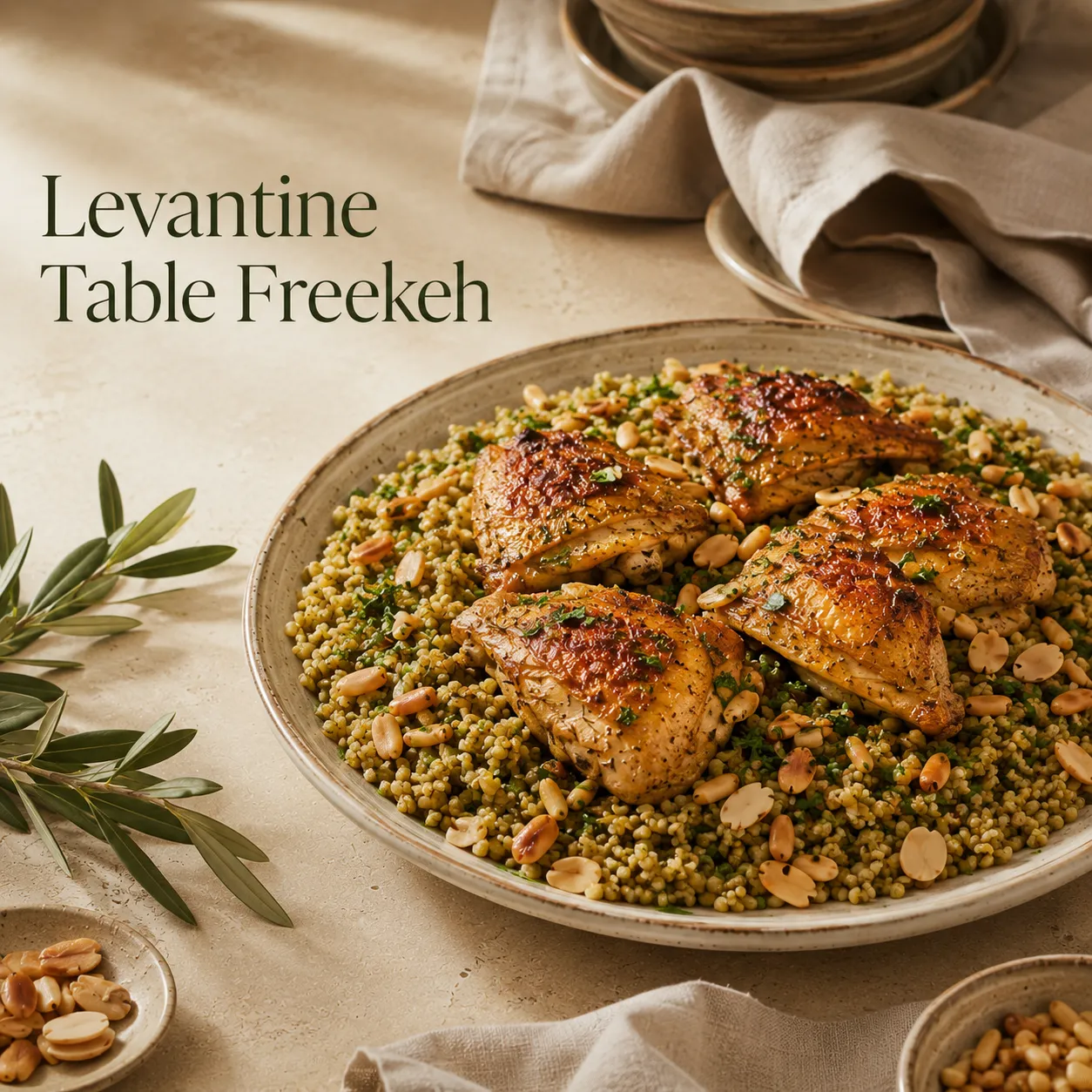
Across the Levant, few dishes represent family gatherings, generous hospitality, and centuries of agricultural tradition as beautifully as a table centered around freekeh. Long before modern grain bowls and convenience foods became popular, roasted green wheat had already established itself as one of the region’s most treasured pantry staples. Whether served for an ordinary weekday lunch or presented during festive occasions, freekeh continues to unite generations around a single table where food is prepared to be shared rather than simply consumed.
Unlike many grains that act only as a side dish, freekeh naturally becomes part of the identity of the meal itself. Its delicate smoky aroma, produced through the traditional roasting of young green wheat, creates a depth of flavor that cannot easily be replicated by other grains. Every spoonful reflects traditional farming methods, careful harvesting, and recipes that have been passed from one generation to the next throughout Jordan, Palestine, Syria, and Lebanon.
Today, authentic freekeh continues to bridge heritage and modern cooking. Home cooks appreciate its versatility, chefs value its remarkable texture, and families continue serving it exactly as their parents and grandparents once did. Whether prepared with tender chicken, slow-cooked lamb, fragrant broth, or seasonal vegetables, freekeh remains one of the defining flavors of Levantine cuisine.
In this guide, we’ll explore how freekeh is traditionally served across the Levant, why it has remained an essential grain for centuries, and how both fine and coarse freekeh continue to enrich family tables today.
Why Freekeh Has Always Belonged at the Center of the Table
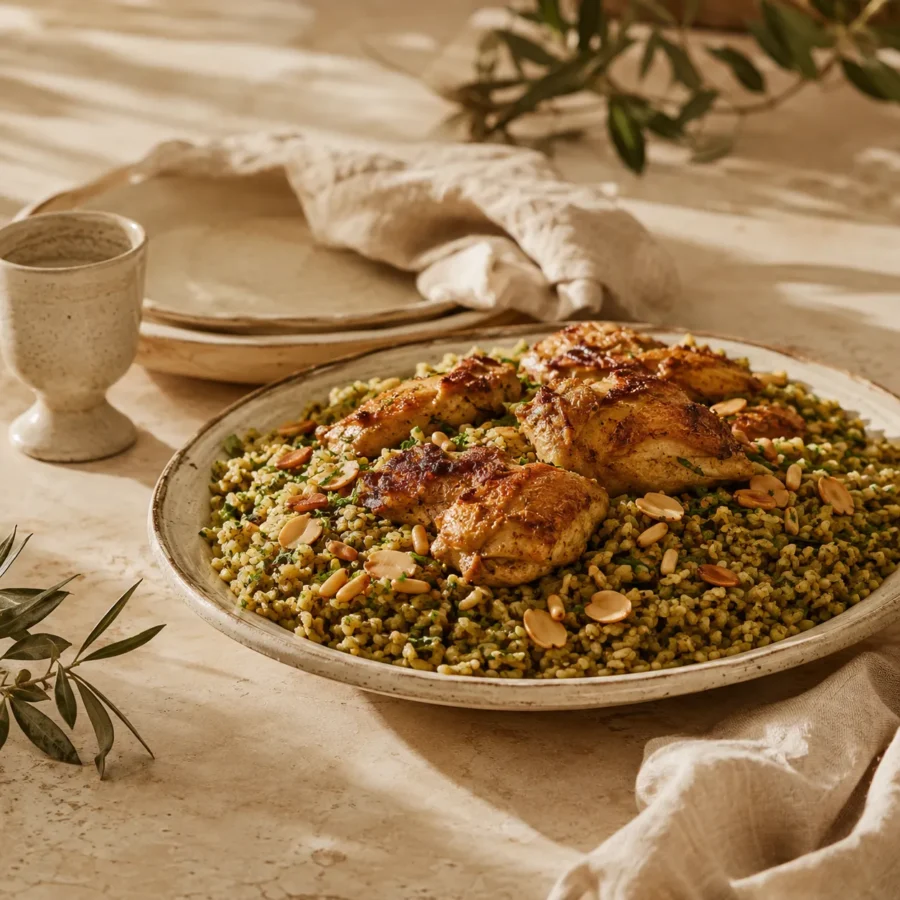
Levantine cuisine has never been built around individual portions. Instead, meals are designed to bring people together around large serving platters that encourage conversation, generosity, and shared experiences. Freekeh naturally complements this philosophy because it carries rich flavors while remaining satisfying enough to become the centerpiece of the meal.
Unlike plain grains that simply accompany meat or vegetables, freekeh contributes its own distinctive personality. The traditional roasting process creates gentle smoky notes that blend beautifully with homemade broths, aromatic spices, roasted poultry, lamb, and quality olive oil. Rather than competing with other ingredients, freekeh enhances everything served alongside it.
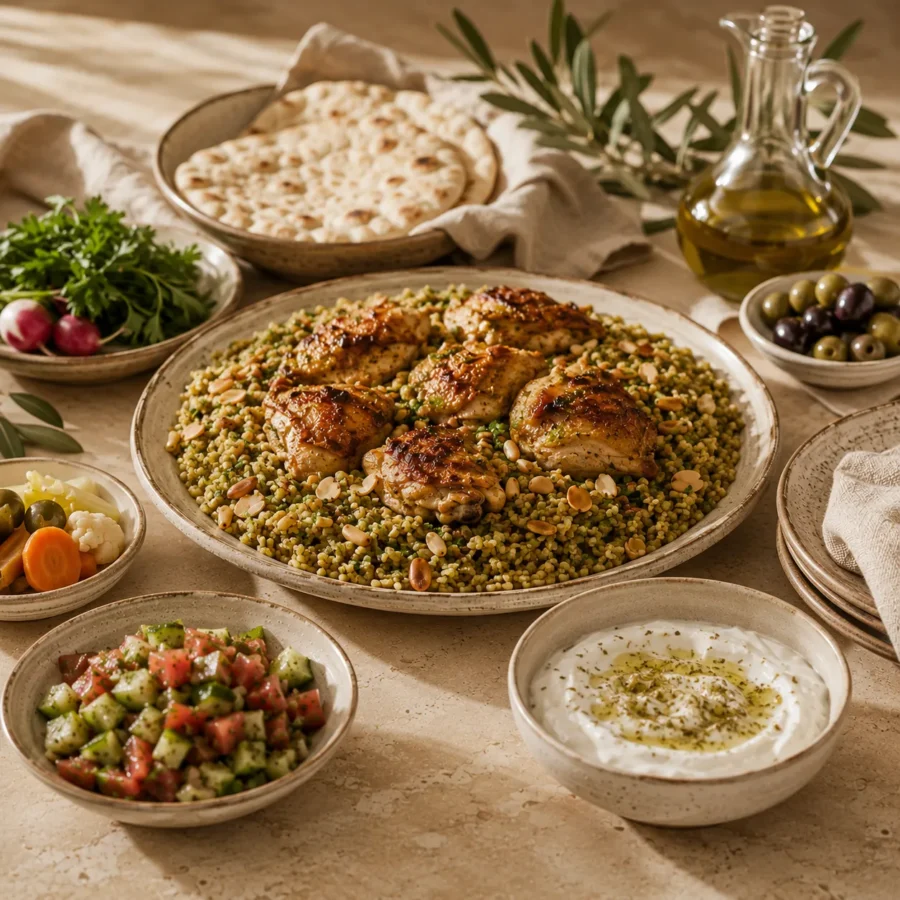
Across many households in Jordan and Palestine, Friday lunches often feature generous platters of freekeh prepared with chicken or lamb, accompanied by yogurt, fresh salads, seasonal vegetables, and warm flatbread. These meals reflect more than culinary preference—they represent hospitality, family unity, and respect for traditions that continue to shape Levantine culture today.
Even as modern kitchens evolve, the role of freekeh remains remarkably consistent. It is still prepared patiently, allowing every grain to absorb flavorful broth while preserving the characteristic texture that distinguishes authentic freekeh from other grains.
From Ancient Fields to Modern Family Tables
The story of freekeh begins long before it reaches the kitchen. Farmers harvest wheat while it is still green, preserving its youthful flavor and soft kernels. The harvested wheat is then carefully roasted before being rubbed to remove its outer husks, producing the naturally smoky aroma that has become the defining characteristic of authentic freekeh.
This production method has remained largely unchanged for centuries because it works remarkably well. Rather than relying on artificial processing or heavy seasoning, freekeh develops its unique flavor naturally through traditional craftsmanship. Every grain carries the unmistakable character created during roasting, allowing cooks to build deeply flavorful meals using surprisingly simple ingredients.
For generations, families have relied on this same grain because it rewards patient cooking. Homemade broth, slow simmering, and balanced seasoning allow freekeh to absorb remarkable depth while maintaining its pleasant bite. The result is a grain that feels comforting without becoming heavy, making it equally suitable for everyday lunches and festive celebrations.
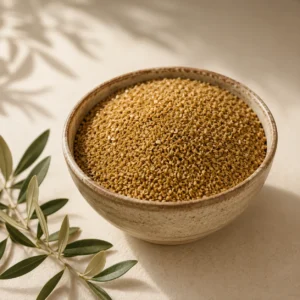
Palestinian Fine Freekeh 750g
Grown in the fields of Jenin and Tubas, harvested green, and flame-roasted the traditional way, this fine freekeh cooks quickly into soups, stuffings, and grain dishes with genuine smoky depth.
- Traditional open-flame roasted green wheat, not a shortcut process
- Fine grind cooks faster than coarse freekeh
- More protein and fiber than rice, fewer calories than quinoa
- A real Ramadan soup and stuffing staple, not a health-food trend
- 100% roasted green wheat, no additives
- Generous 750g family-size pack
Traditional Ways Freekeh Is Served Throughout the Levant
Although every household develops its own recipes over time, several serving traditions appear consistently throughout Levantine cuisine. These classic preparations have endured because they highlight the grain’s natural qualities rather than masking them beneath excessive seasoning.
Freekeh with Slow-Cooked Chicken
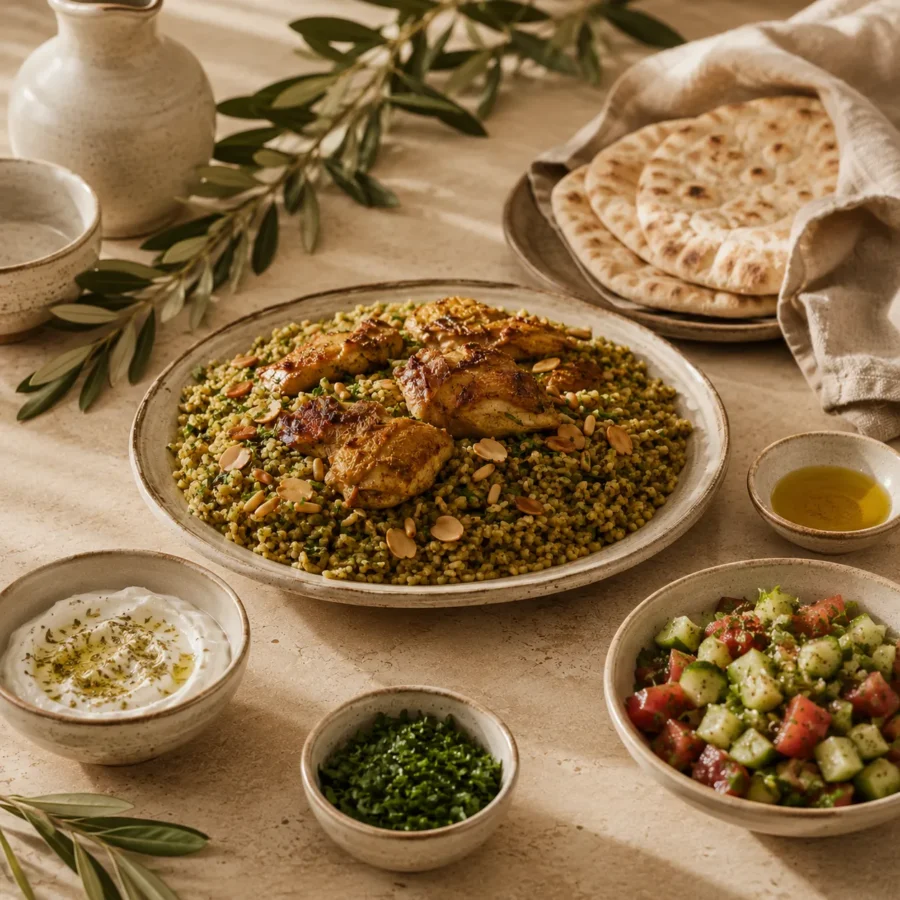
This is perhaps the most recognizable presentation across Jordan and Palestine. Chicken is gently simmered in aromatic broth until exceptionally tender before being arranged over a generous bed of freekeh that has absorbed every layer of flavor from the cooking liquid. Toasted almonds or pine nuts often finish the dish, adding texture while preserving the grain as the true centerpiece.
Because the preparation comfortably serves large gatherings, it remains one of the most popular choices for Friday lunches, family visits, and holiday meals.
Freekeh with Lamb
For more festive occasions, slow-cooked lamb provides remarkable richness that complements freekeh’s naturally smoky character. As the meat cooks over several hours, its juices enrich the broth, allowing every grain to become deeply flavorful while maintaining its satisfying texture.
The finished platter often appears beautifully simple despite the patience required to prepare it—a reflection of Levantine cooking itself, where quality ingredients and traditional techniques speak louder than unnecessary complexity.
Freekeh Soup
During cooler months, fine freekeh becomes a favorite ingredient for nourishing soups. Smaller grains cook more quickly while naturally thickening the broth, creating a comforting bowl that feels wholesome without becoming heavy. Gentle seasoning allows the roasted wheat to remain the star of the dish while vegetables and herbs contribute freshness and balance.
This versatility explains why freekeh continues to appear throughout the year, adapting naturally to changing seasons while preserving its timeless place within Levantine kitchens.
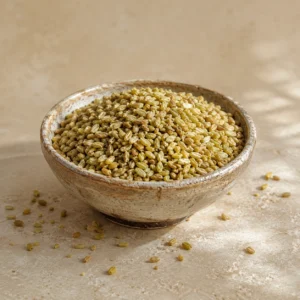
Traditional Freekeh 750g
Traditional freekeh is an authentic Levantine heritage grain made from young green wheat that is carefully roasted and rubbed using time-honored methods. With its distinctive nutty flavor, gentle smoky aroma, and satisfying texture, it has remained a cherished ingredient for generations in pilafs, soups, grain bowls, and traditional family recipes.
- 100% roasted green wheat (traditional freekeh).
- Authentic ancient grain from the Levant.
- Naturally nutty flavor with a delicate smoky aroma.
- Perfect for pilafs, soups, grain bowls, and side dishes.
- Prepared using the traditional roasting process.
- Carefully selected for authentic flavor and consistent quality.
Fine Freekeh vs. Coarse Freekeh: Which One Should You Choose?
One of the questions people often ask when discovering authentic Levantine freekeh is whether they should choose fine or coarse freekeh. The answer depends less on quality and more on the type of meal being prepared. Throughout the Levant, experienced home cooks have traditionally selected different grain sizes according to the recipe, preserving cooking methods that have remained remarkably consistent for generations.
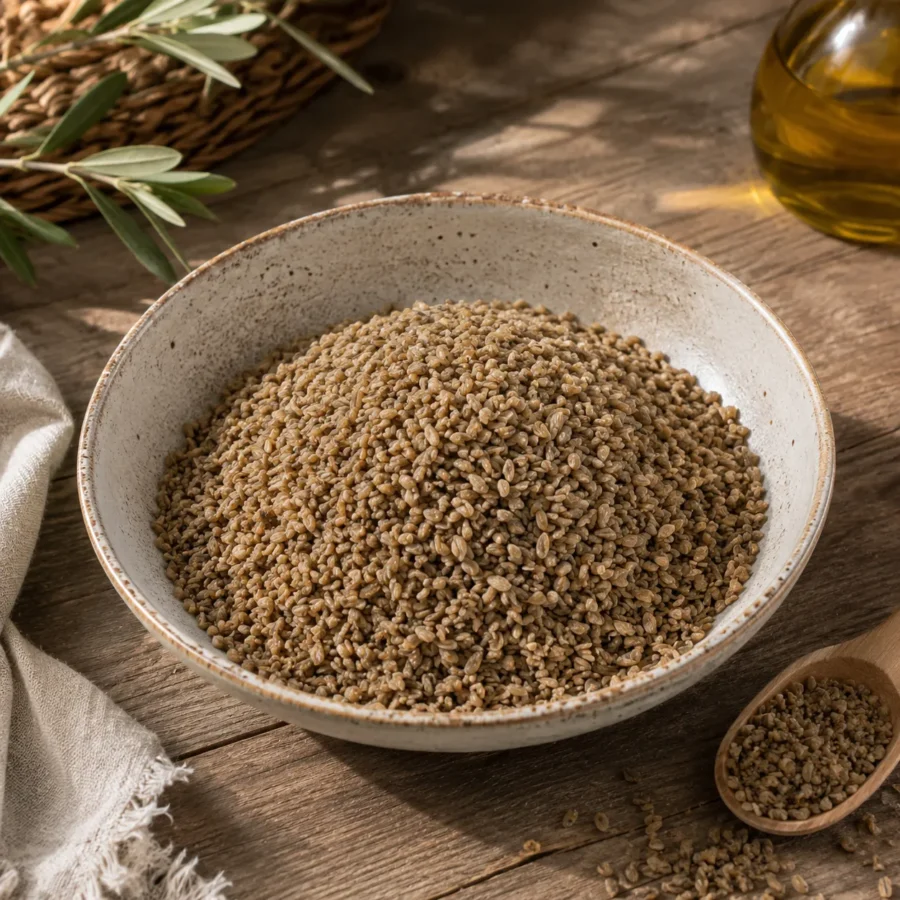
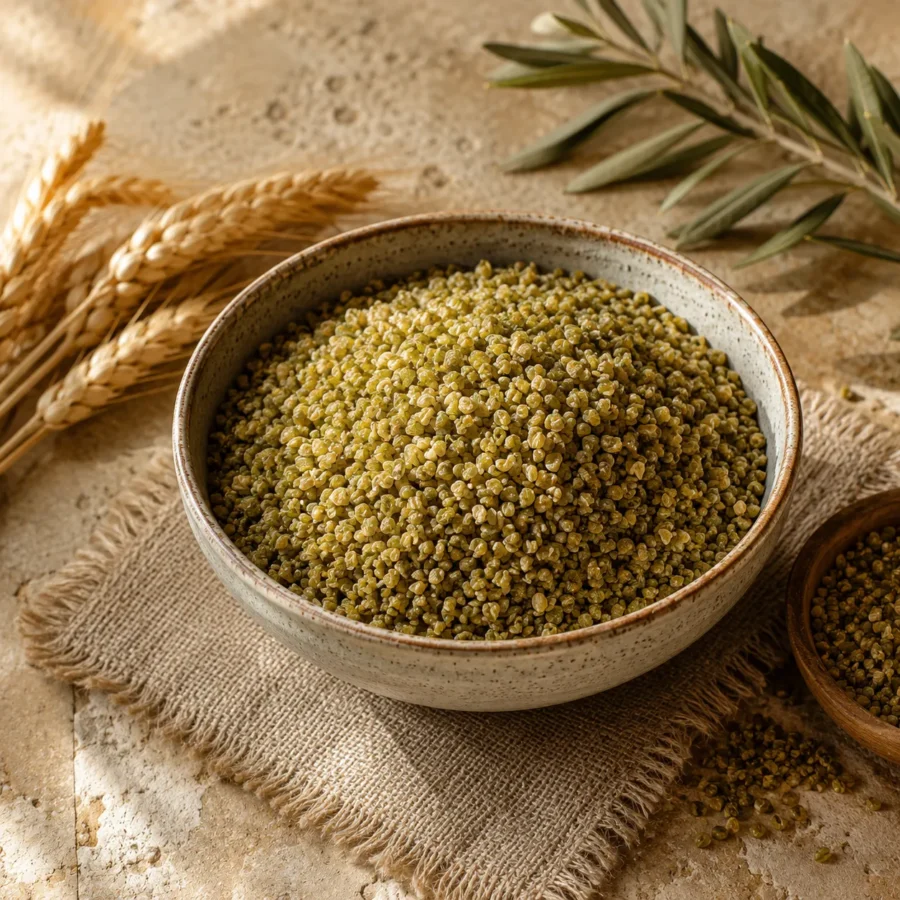
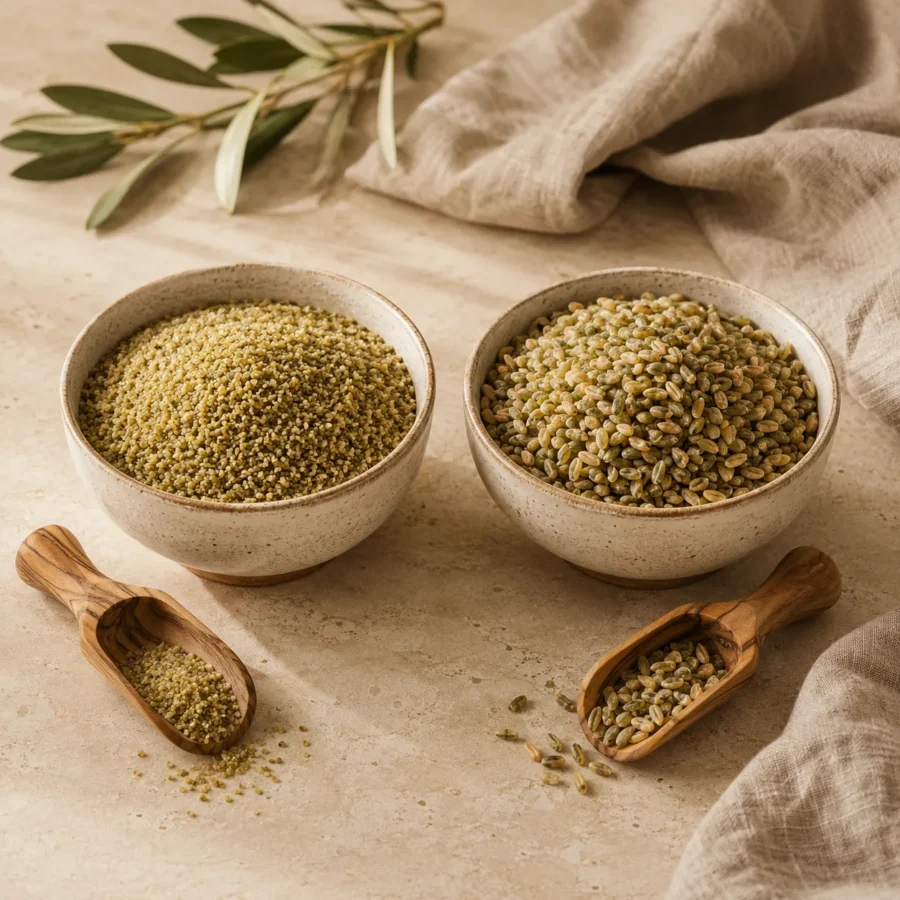
Fine freekeh consists of smaller cracked pieces of roasted green wheat that cook relatively quickly while developing a soft, creamy consistency. Because of its delicate texture, it is particularly suitable for soups, stuffed vegetables, comforting family meals, and recipes where the grain should blend naturally into the dish.
Coarse freekeh retains larger pieces of roasted wheat that remain pleasantly distinct after cooking. This version is traditionally chosen for generous serving platters accompanied by roasted chicken or slow-cooked lamb, allowing every grain to maintain its character while absorbing flavorful homemade broth.
Neither style is considered more authentic than the other. Instead, both represent centuries of practical culinary knowledge where the grain is selected according to the occasion, the ingredients being served, and the desired texture of the final meal.
| Freekeh Type | Traditional Uses |
|---|---|
| Fine Freekeh | Soups, stuffed vegetables, fillings, everyday cooking, lighter meals |
| Coarse Freekeh | Chicken platters, lamb dishes, family gatherings, festive meals |
How Freekeh Complements Traditional Levantine Ingredients
One reason freekeh has remained central to Levantine cooking for centuries is its remarkable ability to complement rather than dominate a meal. Its naturally smoky flavor creates the perfect foundation for ingredients that appear repeatedly throughout regional cuisine, including olive oil, aromatic broths, herbs, vegetables, and carefully balanced spice blends.
Unlike grains that require heavy seasoning to become interesting, freekeh develops much of its character during the roasting process itself. This allows cooks to prepare deeply satisfying meals using surprisingly simple ingredients. Homemade chicken broth, caramelized onions, quality olive oil, and a handful of traditional spices often provide everything needed to produce a memorable dish.
Fresh parsley introduces brightness, toasted almonds or pine nuts contribute gentle crunch, while slow-cooked onions add natural sweetness that balances freekeh’s earthy character. The grain also pairs beautifully with carrots, garlic, celery, mushrooms, and roasted seasonal vegetables, making it remarkably versatile for both traditional and contemporary kitchens.
This balanced approach reflects one of the defining principles of Levantine cuisine: every ingredient should enhance the others rather than compete for attention. Freekeh embodies this philosophy perfectly.
Palestinian and Jordanian Freekeh Traditions
Although freekeh is enjoyed across the Levant, every region has developed subtle traditions that reflect local agriculture, family customs, and preferred serving styles.
Throughout Palestine, fine freekeh is frequently prepared for comforting soups, stuffed vegetables, and everyday family meals. Its smaller grain size produces a softer consistency while preserving the smoky aroma that makes authentic Palestinian freekeh immediately recognizable.
Jordanian households often favor larger serving platters where freekeh accompanies roasted chicken or slow-cooked lamb. Meals are designed to be shared, with generous portions encouraging family members and guests to gather around a single table rather than eating individually.
Despite these regional preferences, both traditions share the same respect for carefully produced roasted green wheat. Authentic freekeh is appreciated not simply as another grain but as a culinary heritage ingredient whose preparation deserves patience, quality ingredients, and traditional cooking methods.
Palestinian Fine Freekeh 750g
Grown in the fields of Jenin and Tubas, harvested green, and flame-roasted the traditional way, this fine freekeh cooks quickly into soups, stuffings, and grain dishes with genuine smoky depth.
- Traditional open-flame roasted green wheat, not a shortcut process
- Fine grind cooks faster than coarse freekeh
- More protein and fiber than rice, fewer calories than quinoa
- A real Ramadan soup and stuffing staple, not a health-food trend
- 100% roasted green wheat, no additives
- Generous 750g family-size pack
Traditional Serving Ideas That Continue Today
Although modern kitchens offer countless possibilities, several classic serving styles continue to appear throughout Levantine homes because they highlight freekeh’s natural qualities without unnecessary complication.
- Served beneath roasted chicken with homemade broth and toasted almonds.
- Presented alongside slow-cooked lamb during family celebrations.
- Prepared as a comforting soup using fine freekeh and seasonal vegetables.
- Used as a filling for zucchini, peppers, and other stuffed vegetables.
- Served with sautéed mushrooms and caramelized onions for a lighter vegetarian meal.
- Finished with extra virgin olive oil immediately before serving to enhance aroma.
- Accompanied by fresh yogurt and simple Levantine salads to create a balanced table.
These serving traditions demonstrate why freekeh has never disappeared from Levantine cuisine. It adapts naturally to changing lifestyles while preserving the flavors, textures, and sense of hospitality that continue to define the region’s culinary identity.
Common Mistakes When Cooking Freekeh
Even exceptional freekeh can lose some of its character if prepared incorrectly. Fortunately, the most common mistakes are easy to avoid once the grain’s traditional cooking methods are understood.
The first mistake is rushing the cooking process. Freekeh benefits from gentle simmering rather than vigorous boiling, allowing each grain to absorb broth gradually while maintaining its pleasant bite.
Another common error is adding excessive spices. Because authentic freekeh already carries natural smoky notes, overwhelming it with heavy seasoning hides the qualities that make the grain special in the first place. Traditional Levantine recipes rely on balance rather than intensity.
Finally, using water instead of flavorful homemade broth significantly reduces depth of flavor. One of the reasons traditional freekeh feels so satisfying is that every grain absorbs carefully prepared stock throughout the cooking process, creating richness without relying on artificial ingredients or excessive fats.
Freekeh in Seasonal Celebrations and Family Gatherings
One of the reasons freekeh has remained an enduring part of Levantine cuisine is its close connection to family life. While many traditional dishes appear only during specific holidays, freekeh comfortably moves between everyday meals and major celebrations. Its versatility allows it to feel equally appropriate for a quiet family dinner or a large gathering welcoming relatives and guests.
Across Jordan and Palestine, generous platters of freekeh frequently appear during Friday lunches when extended families gather after the week’s work. These meals often become an opportunity for several generations to share stories while enjoying recipes that have remained familiar since childhood. Preparing freekeh for these occasions is not simply about cooking a grain—it represents generosity, patience, and respect for guests.
During religious holidays and special celebrations, freekeh is often paired with carefully prepared roasted chicken or slow-cooked lamb. The meal becomes a symbol of abundance without unnecessary extravagance. Instead of relying on complicated presentation, Levantine hospitality emphasizes quality ingredients prepared thoughtfully and served generously.
Even weddings, engagement celebrations, and important family milestones may feature freekeh in different regions of the Levant. Although recipes vary between households, the grain continues to symbolize comfort, heritage, and togetherness—qualities that remain deeply valued across Levantine culture today.
Why Freekeh Continues to Belong in Modern Kitchens
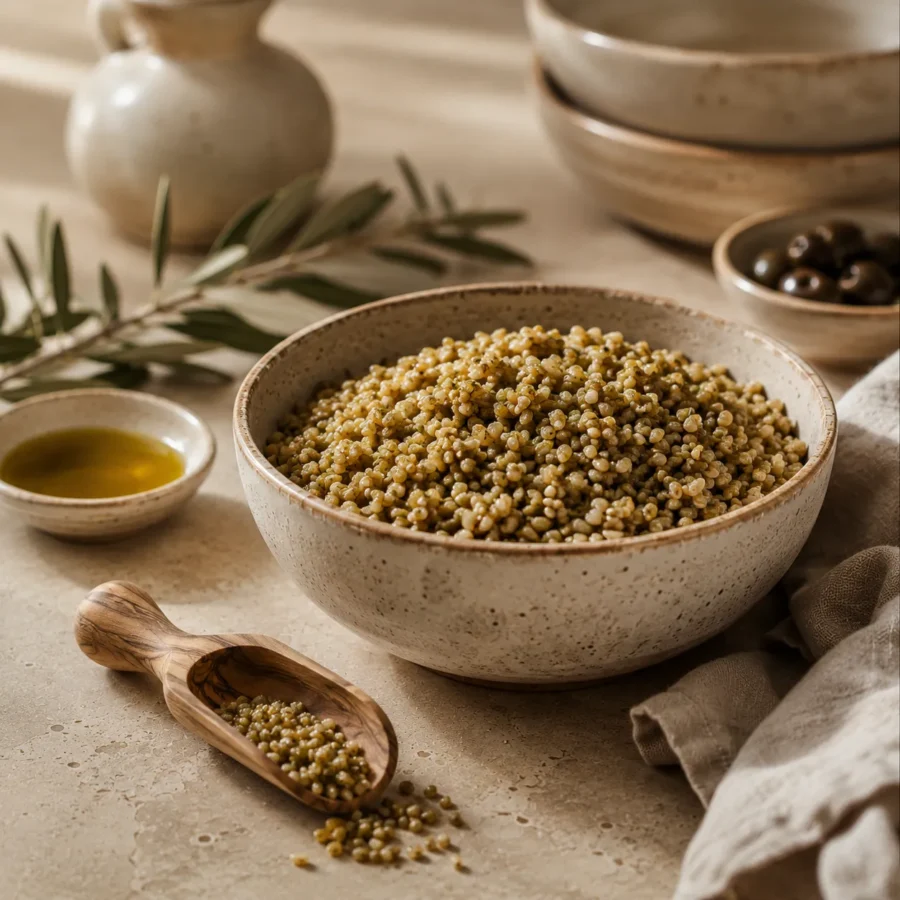
Modern cooking has introduced countless international grains and convenience foods, yet freekeh continues to maintain its popularity because it offers something many modern ingredients cannot: authenticity. Rather than following culinary trends, freekeh remains rooted in genuine agricultural traditions that have survived for centuries.
Today’s home cooks appreciate freekeh because it adapts naturally to both traditional and contemporary recipes. It can accompany roasted vegetables, grilled chicken, baked fish, mushrooms, or simple herb salads while still preserving its unmistakable smoky personality. This flexibility allows new generations to enjoy freekeh without abandoning the culinary traditions that made it famous.
Another advantage is its ability to create complete meals without requiring dozens of ingredients. A carefully prepared broth, quality olive oil, a handful of vegetables, and authentic freekeh often produce a remarkably satisfying meal that feels both comforting and elegant.
This combination of simplicity and depth explains why chefs around the world have rediscovered freekeh in recent years. Yet long before international restaurants began celebrating roasted green wheat, Levantine families had already been enjoying it as an essential part of everyday life.
Choosing Authentic Freekeh for Traditional Cooking
Not every product labeled as freekeh delivers the same cooking experience. Authentic freekeh should display a naturally smoky aroma, consistent grain size, and clean appearance without excessive dust or broken fragments. The roasting process should enhance the wheat’s natural character rather than create burnt flavors or bitterness.
When selecting freekeh, consider how you intend to prepare it. Fine freekeh works beautifully for soups, fillings, and recipes requiring a softer consistency, while coarse freekeh is ideal for serving platters where each grain should remain pleasantly distinct.
Proper storage is equally important. Keeping freekeh inside an airtight container away from moisture, sunlight, and strong odors helps preserve both its aroma and cooking quality for months. These simple storage habits ensure every meal continues reflecting the authentic qualities that have made freekeh one of the Levant’s most celebrated heritage grains.
Traditional Freekeh 750g
Traditional freekeh is an authentic Levantine heritage grain made from young green wheat that is carefully roasted and rubbed using time-honored methods. With its distinctive nutty flavor, gentle smoky aroma, and satisfying texture, it has remained a cherished ingredient for generations in pilafs, soups, grain bowls, and traditional family recipes.
- 100% roasted green wheat (traditional freekeh).
- Authentic ancient grain from the Levant.
- Naturally nutty flavor with a delicate smoky aroma.
- Perfect for pilafs, soups, grain bowls, and side dishes.
- Prepared using the traditional roasting process.
- Carefully selected for authentic flavor and consistent quality.
Bringing Authentic Levantine Freekeh to Your Table
Whether you’re preparing a traditional family gathering or exploring Levantine cuisine for the very first time, authentic freekeh offers an experience that extends beyond the plate. Every serving reflects generations of farming knowledge, traditional roasting techniques, and recipes carefully preserved through families who understood the value of simple ingredients prepared exceptionally well.
Choosing quality freekeh allows home cooks to recreate meals that have brought Levantine families together for centuries. The grain’s distinctive smoky aroma, satisfying texture, and remarkable versatility make it equally suitable for festive occasions and comforting everyday cooking.
At DARLEVANT, we believe preserving authentic Levantine ingredients means preserving the stories behind them. Our carefully selected freekeh products celebrate genuine regional traditions while helping modern kitchens experience one of the Levant’s oldest and most respected grains exactly as generations have enjoyed it.
Palestinian Fine Freekeh 750g
Grown in the fields of Jenin and Tubas, harvested green, and flame-roasted the traditional way, this fine freekeh cooks quickly into soups, stuffings, and grain dishes with genuine smoky depth.
- Traditional open-flame roasted green wheat, not a shortcut process
- Fine grind cooks faster than coarse freekeh
- More protein and fiber than rice, fewer calories than quinoa
- A real Ramadan soup and stuffing staple, not a health-food trend
- 100% roasted green wheat, no additives
- Generous 750g family-size pack
Traditional Freekeh 750g
Traditional freekeh is an authentic Levantine heritage grain made from young green wheat that is carefully roasted and rubbed using time-honored methods. With its distinctive nutty flavor, gentle smoky aroma, and satisfying texture, it has remained a cherished ingredient for generations in pilafs, soups, grain bowls, and traditional family recipes.
- 100% roasted green wheat (traditional freekeh).
- Authentic ancient grain from the Levant.
- Naturally nutty flavor with a delicate smoky aroma.
- Perfect for pilafs, soups, grain bowls, and side dishes.
- Prepared using the traditional roasting process.
- Carefully selected for authentic flavor and consistent quality.
Frequently Asked Questions
What exactly is freekeh?
Freekeh is roasted green wheat harvested before the grain fully matures. After harvesting, the wheat is traditionally roasted and rubbed to remove the outer husks, producing the distinctive smoky aroma and rich flavor that have made freekeh one of the Levant’s most celebrated heritage grains.
Is freekeh the same as bulgur?
No. Although both originate from wheat, they are produced using entirely different methods. Bulgur is made from mature wheat that has been parboiled and cracked, while freekeh is harvested green and roasted before cleaning. This traditional roasting process gives freekeh its characteristic smoky flavor and firmer texture.
What is the difference between fine and coarse freekeh?
Fine freekeh cooks more quickly and is commonly used for soups, stuffed vegetables, fillings, and lighter grain dishes. Coarse freekeh maintains a firmer texture after cooking and is traditionally served alongside roasted chicken or lamb during family meals and festive occasions.
Can freekeh replace rice?
Absolutely. Throughout Jordan, Palestine, Syria, and Lebanon, freekeh has long been served instead of rice with poultry, lamb, vegetables, and traditional family meals. Many households continue to alternate between both grains depending on the occasion.
Which spices pair best with freekeh?
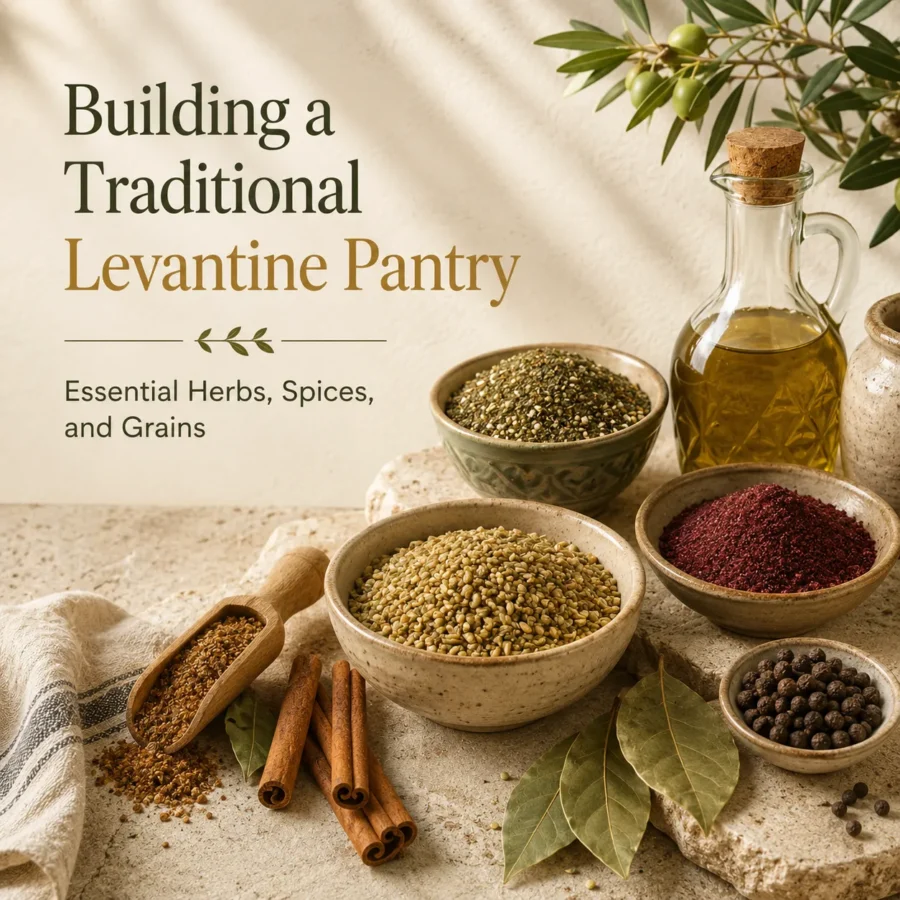
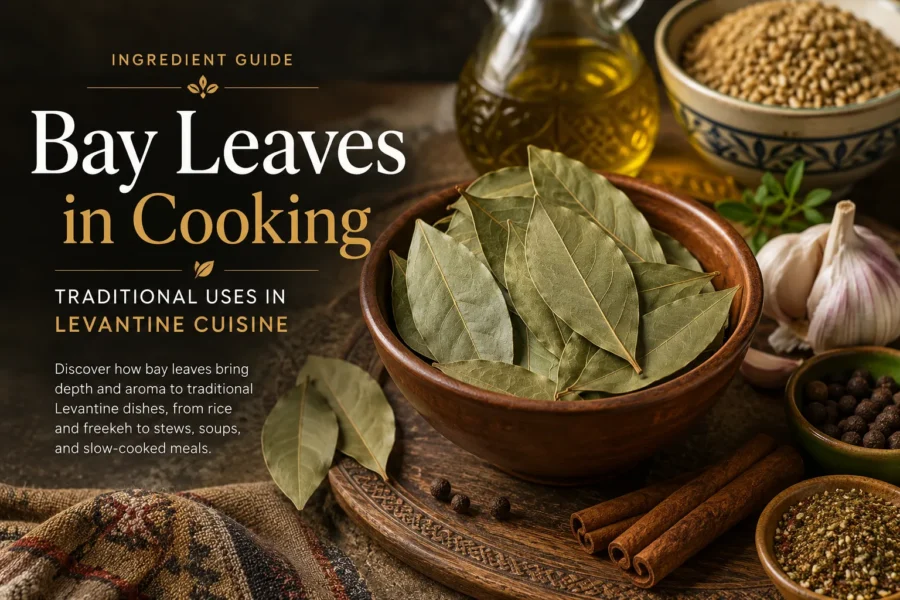
Traditional Levantine recipes typically rely on balanced seasoning rather than strong spice combinations. Seven spice blend, black pepper, cinnamon, allspice, bay leaves, and occasionally cardamom are among the most common companions, while homemade broth provides much of the dish’s overall flavor.
Can freekeh be prepared as a vegetarian meal?
Yes. Although freekeh is often served with chicken or lamb, it also pairs beautifully with mushrooms, roasted vegetables, chickpeas, lentils, caramelized onions, herbs, and extra virgin olive oil, making it suitable for satisfying vegetarian meals.
How should freekeh be stored?
Store freekeh inside a tightly sealed container in a cool, dry place away from direct sunlight and moisture. Proper storage preserves its aroma, flavor, and cooking quality for extended periods.
Why has freekeh remained popular for centuries?
Freekeh combines exceptional flavor, versatility, and cultural significance. Its traditional production methods, remarkable texture, and ability to complement a wide variety of Levantine dishes have allowed it to remain a favorite grain across generations.
The DARLEVANT Difference
At DARLEVANT, we believe authentic Levantine ingredients deserve more than simple distribution—they deserve to be preserved, understood, and appreciated. Every pantry essential we carefully select reflects generations of farming traditions, regional craftsmanship, and recipes that continue to unite families around the table.
Our freekeh is chosen to represent the genuine character of roasted green wheat that has shaped Levantine cooking for centuries. Whether you’re preparing a comforting soup using fine freekeh or creating a generous family platter with traditional coarse freekeh, our goal is to help you experience authentic regional flavors without compromise.
Rather than following short-lived food trends, DARLEVANT celebrates timeless ingredients whose stories are inseparable from the people, landscapes, and culinary traditions of the Levant. Every grain represents patience, heritage, and a commitment to quality that continues to define Levantine hospitality today.
As you continue exploring our collection, you’ll discover carefully curated pantry staples that work naturally together—from authentic freekeh and traditional spice blends to premium herbs, olive products, and regional specialties that help bring authentic Levantine cooking into modern kitchens around the world.
Continue Exploring the Flavors of the Levant
- Read our cornerstone guide:
A Complete Guide to Levantine Spices: The Essential Flavors Behind Traditional Cooking - Discover the history of roasted green wheat in:
What Is Freekeh? The Ancient Grain of the Levant - Learn how traditional hospitality shapes regional cuisine in:
How Arabic Hospitality Shapes Levantine Food Culture